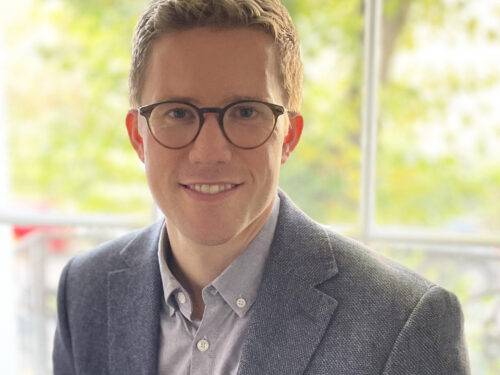
Patrick Cox, Director of Commercial Strategy & Advisory, outlines the challenges faced by monocultural workplace developments and what adaptation should look like. He references successful developments including 18 Cross, Singapore, the Wuhan Alibaba Centre, China, and EcoWorld, Bengaluru, India, and how they have integrated a mixed-use approach that facilitates increased occupancy alongside other measures of success.
Return to Future ThinkingA Rich Mix: Diversifying Single-Use Workspace Assets

Contact Patrick Cox, Director, Commercial Strategy and Advisory
Patrick.Cox@benoy.com
The problem of single-use offices
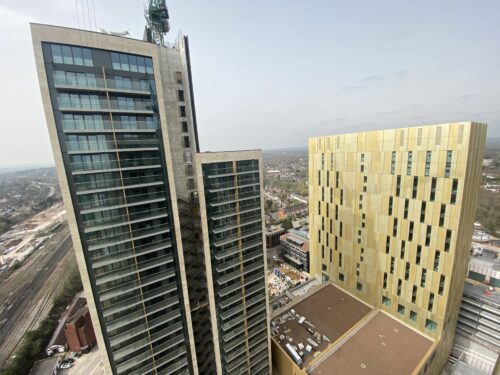
From East to West, monocultural workplace developments are suffering, with struggling occupancy rates, dwindling demand and underperforming rents. Previously, corporate centres could offer cheap space and big floorplates, enabling companies to locate their workforce in one place by occupying whole floors or entire buildings. But this is no longer the direction of travel for modern businesses.
Through enquiries we’ve received, conversations we’ve had and conferences we’ve attended around the world, we’ve seen a shift in dynamics and discourse within the property sector. Be they purpose-built business parks in the UK, or mono-focused finance centres in India, single-use workspaces around the world are experiencing different versions of the same problem. By failing to provide the breadth of experiences required to meet modern user demand, single-use office occupancies are underperforming.
Research shows a growing preference for smaller office spaces with premium fit-outs and a growing demand for a compelling mix of uses to entice tenants and, by extension, employees. Recent reports highlight a marked discrepancy in rent per square foot between corporate centres such as Canary Wharf and mixed-use locations such as London’s West End, where rental values are 50% higher. And it’s a gap that appears to be widening.
With the growing popularity of remote working, physical workspace needs to be reimagined in order to survive. Landlords and developers the world over are asking the same question: how can single-use offices be adapted to protect balance sheets and secure future viability?
Stick or twist
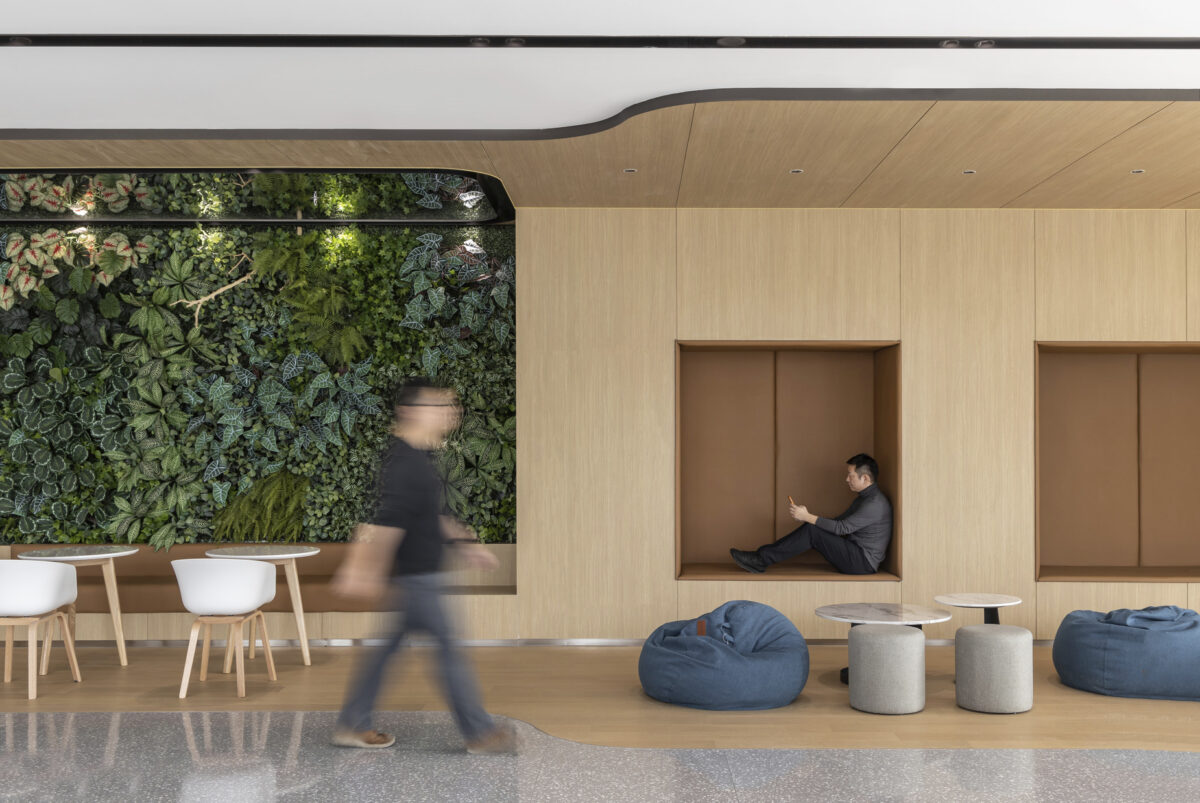
As we see it, there are two options. The first involves sticking with single use but really optimising and owning it through investment and innovation. Only by making a monocultural asset incredible, and creating the very best space imaginable, will owners and investors achieve commercial success. The second option is to accept that single use can no longer deliver sufficient financial returns and shift to a mixed-use model.
Just as many single-use shopping malls were repurposed to incorporate leisure, hospitality, entertainment and F&B, so monocultural workspaces need to be expanded to embrace a wider range of uses. This process can involve the repurposing of individual buildings to cater for a broad mix of user groups. Whole areas, too, can be redeveloped to provide greater choice and opportunity. Whatever the context or scale, by converting single use into mixed and offering a variety of amenities, developers can lay the foundations for successful, flexible and enduring developments.
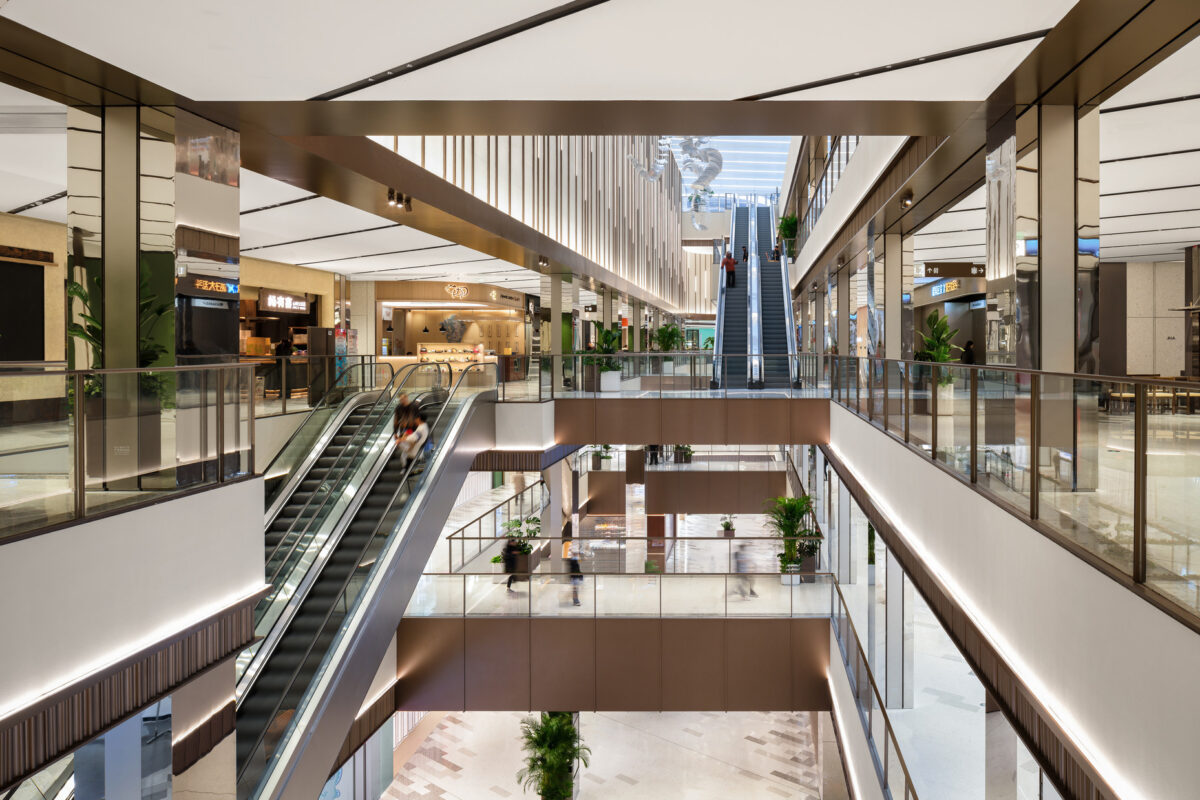
In general, mixed-use office developments have higher occupancy rates than their single-use counterparts. This is largely due to the enhanced lifestyle and convenience they offer, the reduced risk associated with diversifying revenue, and the ability to adapt during economic supply and demand fluctuations.
Costs, challenges and intangible value
Of course, repurposing assets and spaces to create a mixed-use proposition is no small undertaking. One of the major challenges clients encounter is the pressure to demonstrate short-term profitability, and the difficulty of evidencing added value. For large-scale assets in particular, the upfront costs of repurposing are significant. And the value-generating potential of certain mixed-use interventions – such as schools or galleries – is often intangible. This makes it harder for investors to see where they will make their returns.
A lot of the research around mixed-use repositioning is qualitative. What’s needed is hard, measurable evidence something our Pulse analytics tool provides. The idea behind this innovation is to provide quantitative data that not only demonstrates the value of commercial performance but also measures social and environmental dimensions as well. This enables project teams to back design proposals with data that provides robust profit forecasts and predicts future trends, strengthening the case for action.
For stakeholders who remain hesitant, the cost of doing nothing needs to be driven home. Because without intervention, the single-use office campus will continue to struggle, with an inevitable drop in demand and value. Similarly, pivoting to quick-win solutions – such as adding a lobby café or a splash of ground floor retail – will not provide the long-term strategy required to deliver success. It’s a range of carefully selected uses in combination, not single uses in isolation, that delivers meaningful value over time.
Creating sustainable, mixed-use communities
As specialists in mixed-use redevelopments, our portfolio stretches from Asia to the Middle East, Europe and Americas. Through our projects in these regions, we’ve witnessed emerging design trends, innovations and best practice examples which inform and inspire our work.
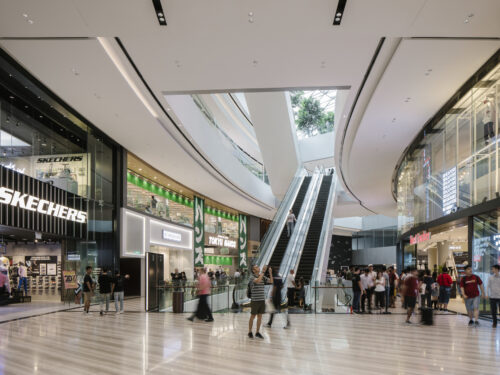
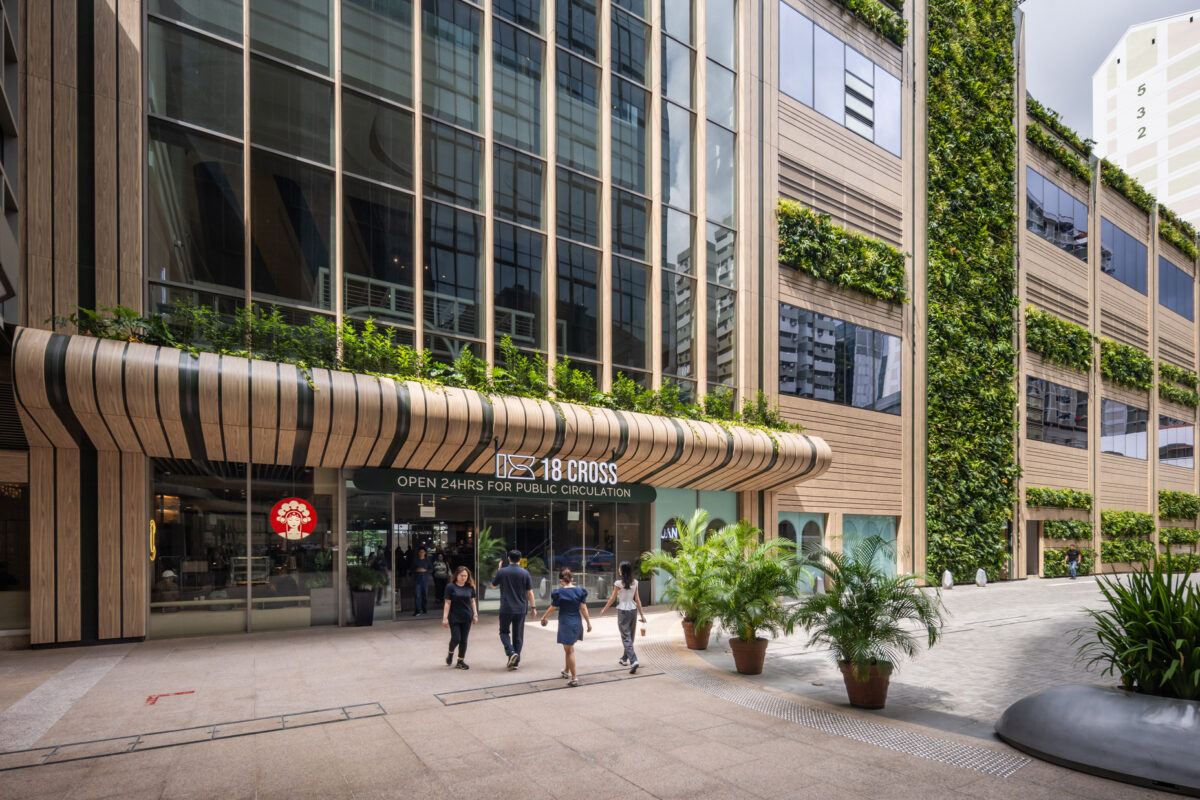
When repositioning 18 Cross, an outdated office building in Singapore, we reimagined the existing development with 18 heritage shophouses, 6 contemporary shophouses, a redeveloped 4‑storey mixed-use podium, and a new 15-storey office tower. By elevating the office spaces from Grade B to Grade A and diversifying the asset, we raised the office occupancy rate from 70% to 100%. The adaptive re-use project has also connected the building to public transport and created a pedestrian-friendly environment. As a result, average dwell time and footfall also increased, with an anticipated 15 – 25% uplift in tenant trading hours compared with those in standard office podiums.
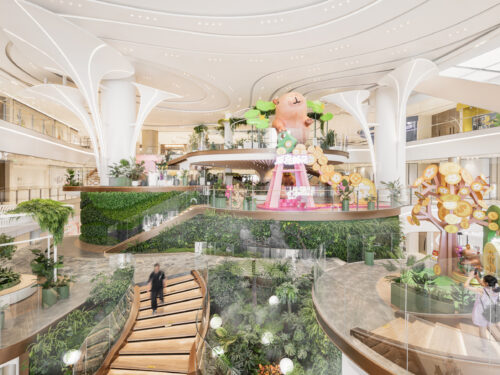
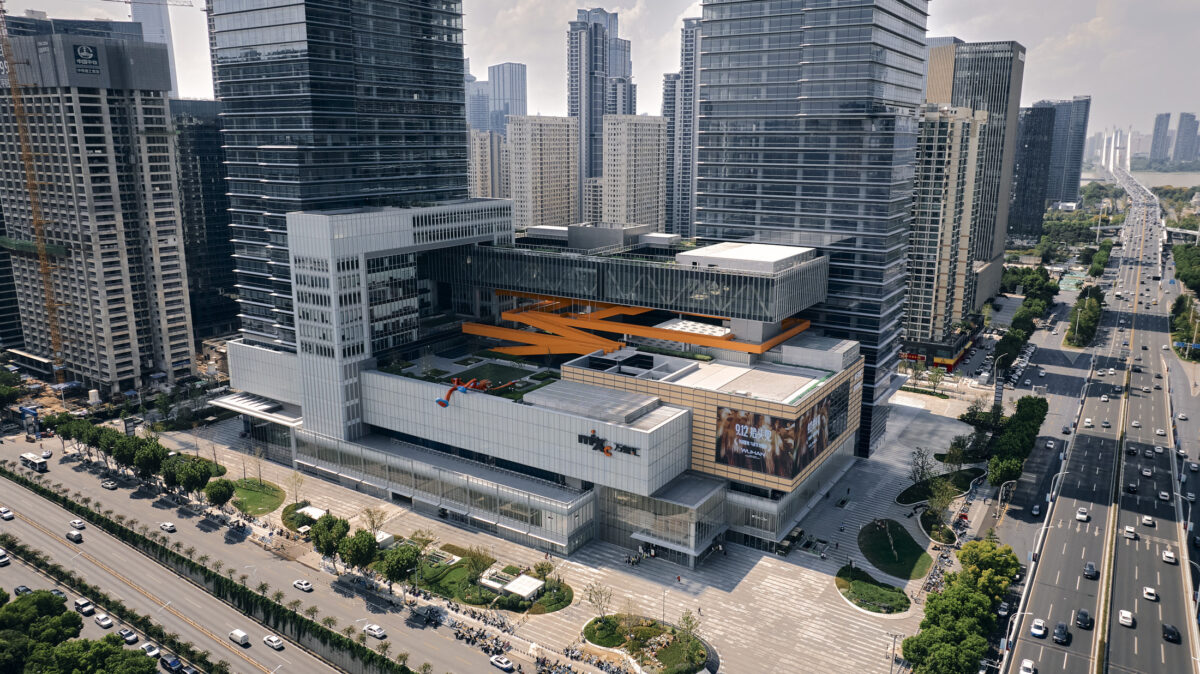
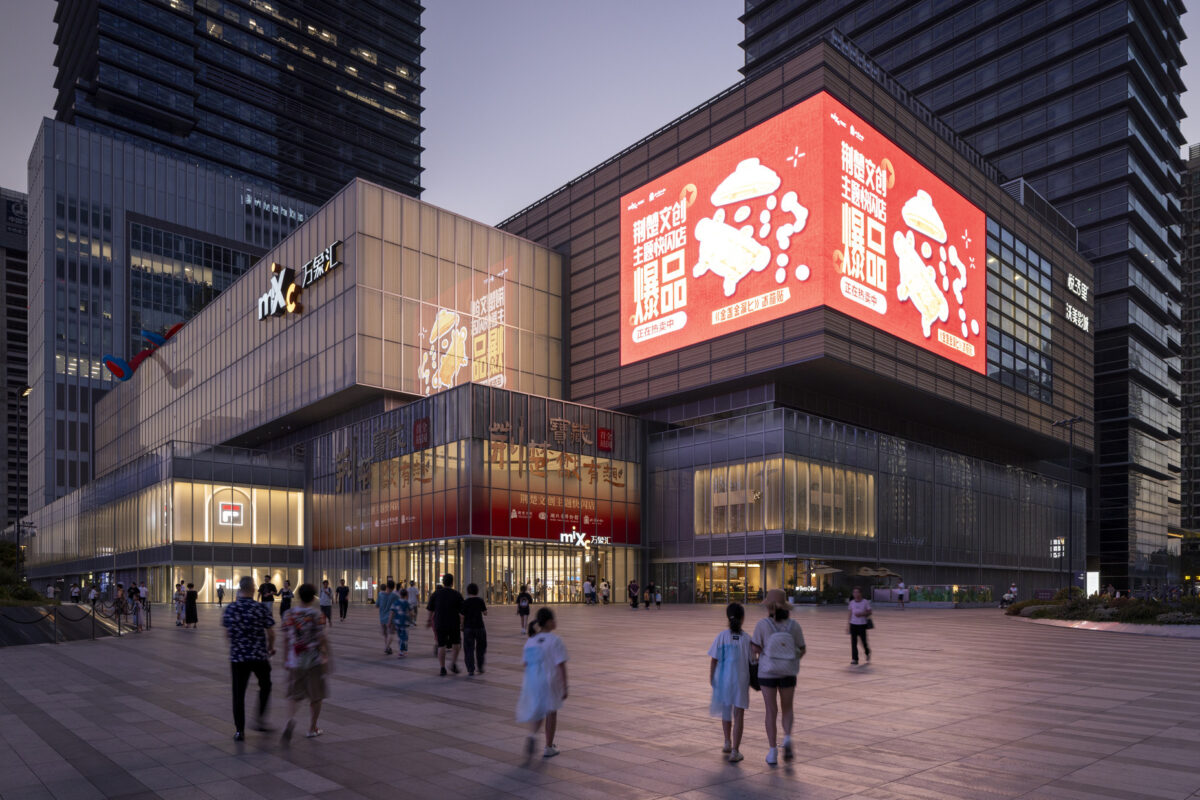
In Wuhan, China, we worked with longstanding client Alibaba to create a mixed-use office campus combining workspace, residential, retail, cultural and public spaces. We prioritised public spaces and community amenities, positioning the site as a campus where people would come to meet, shop, dine, work, and share experiences and ideas. This strategy informed everything from masterplanning and building massing down to materials choices and roof gardens. In its first year, the MixC shopping mall in the building’s podium saw 1.2 million visitors and created over 1,000 new jobs, and as of July 2025, the occupancy rate reached 99.5%. Residential sales in the area also increased by 15%, with Wuhan Alibaba Center cited as a key trigger for raising market valuations.
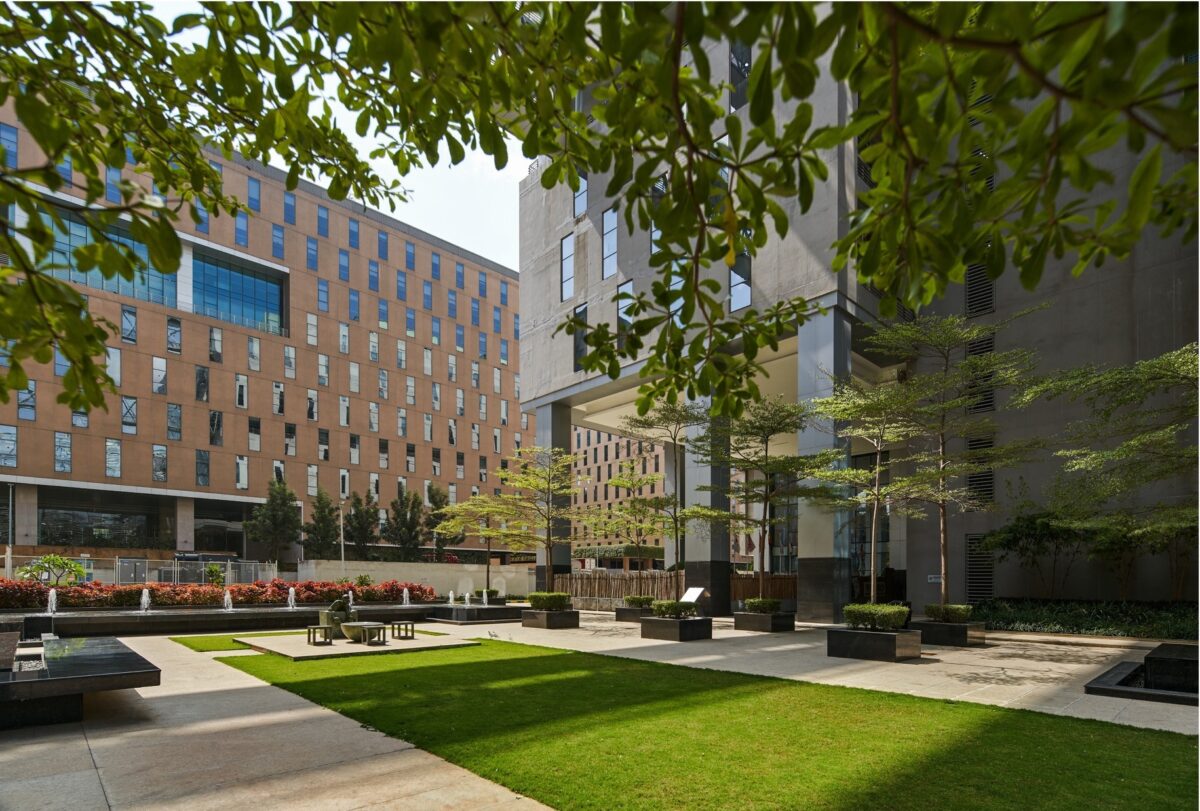
In India, our client Brookfield purchased a 14-building office and retail park in the south-east of Bangalore comprising over 6,700,000ft2 of office space. The park, known as Ecoworld, hosts major national and international corporations and features ‘The Bay’ and ‘The Deck’, central spaces housing retail, leisure, F&B, and amenities such as a bank, pharmacy and gym for the thousands of workers employed across the site. While already functioning as a mixed-use offer during the work week, The Bay and The Deck provided an opportunity to expand the amenity and lifestyle offer to the fast-developing adjacent neighbourhoods on weekends, turning this commercial environment into a community asset.
Across the board, these mixed-use developments have a balance of public and private spaces. They give back to communities with vibrant public realm, activated frontages, civic spaces, and amenities while securing longevity through diverse revenue streams and flexibility. This is key to creating sustainable mixed-use developments that not only attract tenants but also retain them. By repositioning office spaces as part of wider social and commercial ecosystems, we can ensure they continue to thrive in the face of global challenges.
Related articles