How landscape and urban design influence human behaviour for the better

Angust Palmer

联系方式 Angus Palmer, Director, Benoy Landscape Architecture
angus.palmer@benoy.com

Ruchi Chakravarty Benoy Director of Masterplanning Urban Design

联系方式 Ruchi Chakravarty, Director of Masterplanning & Urban Design
ruchi.chakravarty@benoy.com

As directors of Landscape Architecture and Urbanism & Masterplanning respectively, Angus and Ruchi lead teams of designers making the spaces in-between buildings work harder to unlock more potential for people and the planet. Here, they explore their complementary skillsets and philosophies, unpacking how urban and landscape design can work smarter to influence human behaviour for the better.

前瞻思考

Improving quality of life

One of the main goals of urban designers and landscape architects is to enhance opportunities for people to make healthy decisions that improve their quality of life at each threshold of their day, and for those decisions to be instinctive and easy, with a low environmental impact.

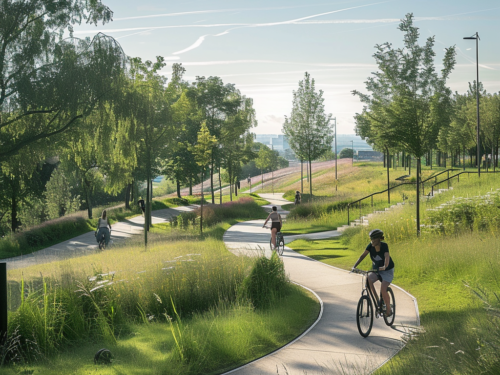
In practice, this involves thinking about how people will travel from their homes, where they will be going, how children will get to school, what times of day people will be active, and what sorts of environments they will want to spend time in, and so on. Answering these questions helps designers plan elements like cycle lanes, walkways, public parks, playgrounds and high streets based on human activity.

“A lot of this is about quality of life,” says Angus. “People-centric design places human needs at the heart of the design process, prioritising connectivity, accessibility, and high-quality social infrastructure. It seeks to strengthen community life, support social inclusion, and cultivate a strong sense of place through well-designed, welcoming environments. Quality green spaces play a vital role, not only for environmental benefits but also for wellbeing and everyday enjoyment.”

“Crucially, this approach moves beyond pure functionality to create places that actively support social interaction and lived experience,” he says. “Globally, some cities have long embedded these principles within their urban fabric and public realm, while others are now reimagining and reconfiguring open spaces to enhance daily life and improve the overall experience of those who use them.”

As Angus notes, there is a mutually beneficial connection between wellbeing, mobility and sustainability in modern cities – all of which are aided by design interventions in public spaces. But the challenge for designers lies in adapting to a variety of climates and cultures in locally relevant, sustainable ways.

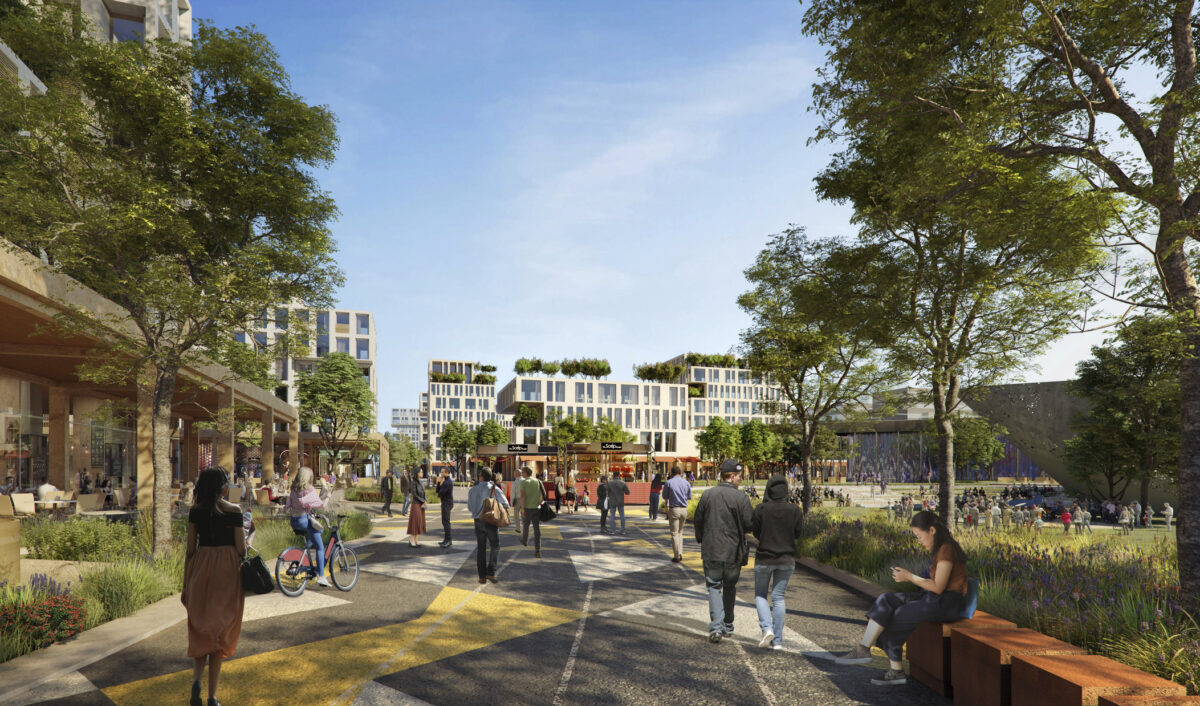
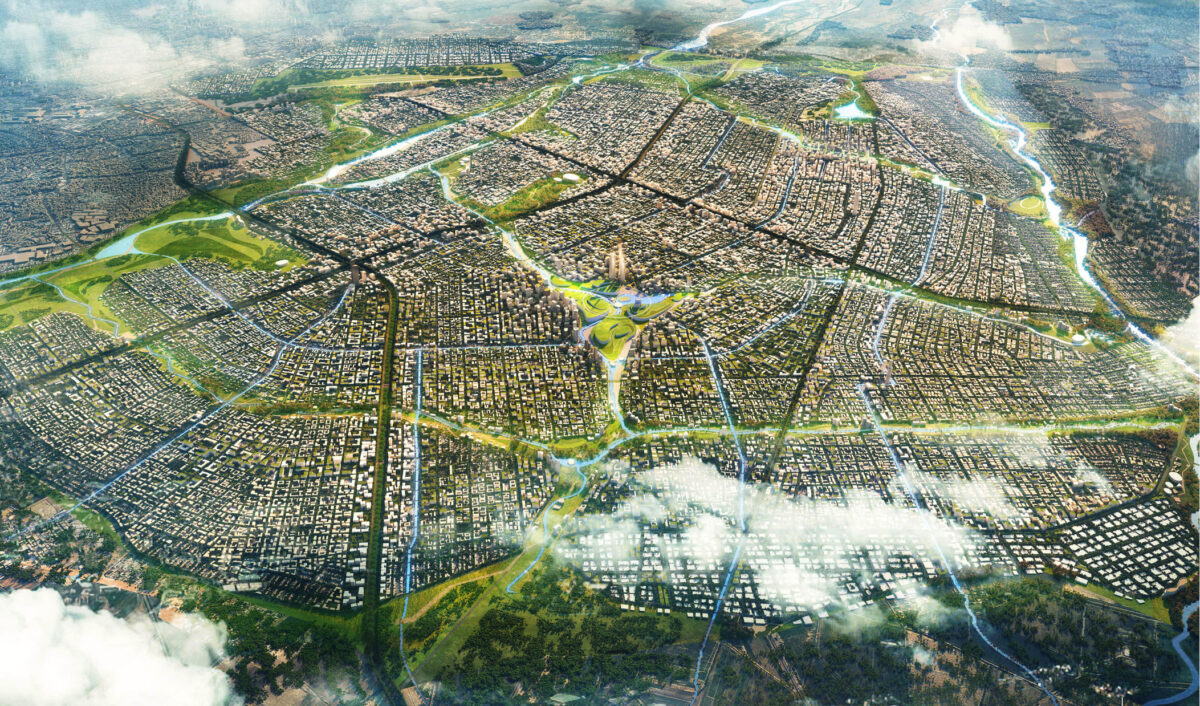
Chirchiq River Masterplan Tashkent Uzbekistan 2
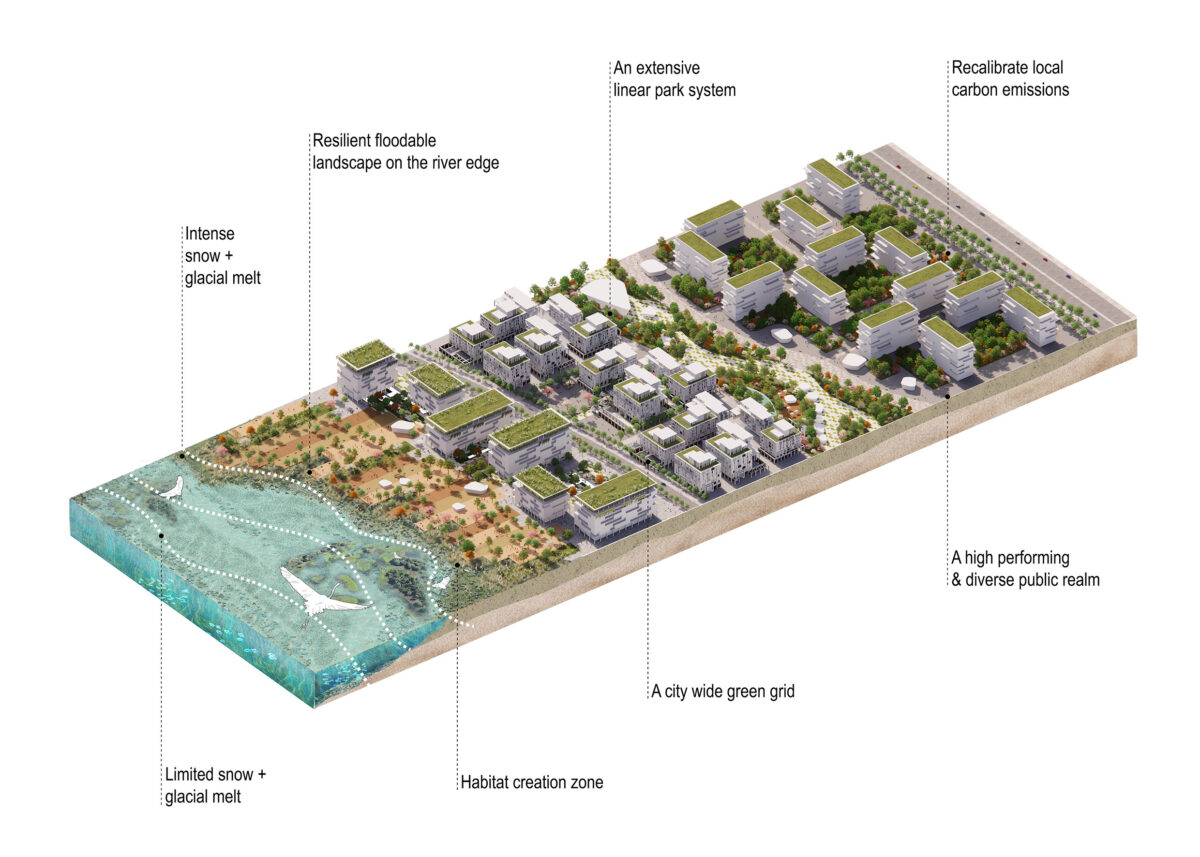
Chirchiq Axon SMALL

“A lot of answers lie in local culture”

“When we're designing, we look to understand what outdoor recreation or activity looks like for the given culture,” says Ruchi. “For example, in Saudi Arabia, patterns of daily life are shaped by the climate. People are far more active in the evening and at night, when temperatures are cooler. In places like India, where heat and humidity are extreme, there is a different hierarchy and scale of shared spaces, with a stronger emphasis on communal living and neighbourhood life.”

Masterplans can take 10 to 20 years or more to deliver, so to ensure our designs today will remain relevant by the time they complete, understanding culture and what people are likely to connect with is crucial. On top of cultural considerations, both Ruchi’s and Angus’ teams rely on strategic insight and data to tailor designs to different environments.

“In hot environments where it’s less comfortable to walk, 500m (or four to five minutes of walking) is considered the limit before people start to think about getting into a car. In a temperate climate, it's more like 800m,” explains Angus. “If we can get someone out of a car and get them walking or cycling, then the benefits are twofold; individuals reduce their carbon footprint and improve their wellbeing by getting outside and physically moving more.” When adopted en masse, these small behavioural changes ripple out to have a significant impact on public health as well, which in turn impacts healthcare services, government spending and carbon emissions.

“Our home is where it starts”

When approaching a new masterplan, designers have historically taken a top-down approach, starting with road systems, zoning and infrastructure. “Urbanism today is about making everyday life intuitive – removing friction so healthier, more sustainable choices become the natural ones,” says Ruchi. She advocates for flipping the script and working from the bottom up – starting at the scale of the home and planning cities around daily routines.

“When we think about human behaviour, we start with territoriality. Home is the anchor, and from there we layer daily experiences – how far people will walk, cycle or drive, and how independently children can move through their neighbourhood.”

“Ultimately, masterplans only work when you go bottom-up and start to think about how places interact with the most personal parts of our day-to-day lives. If the tension between healthy habits and ease of movement is minimal, that is what successful urban design and masterplanning looks like today.”

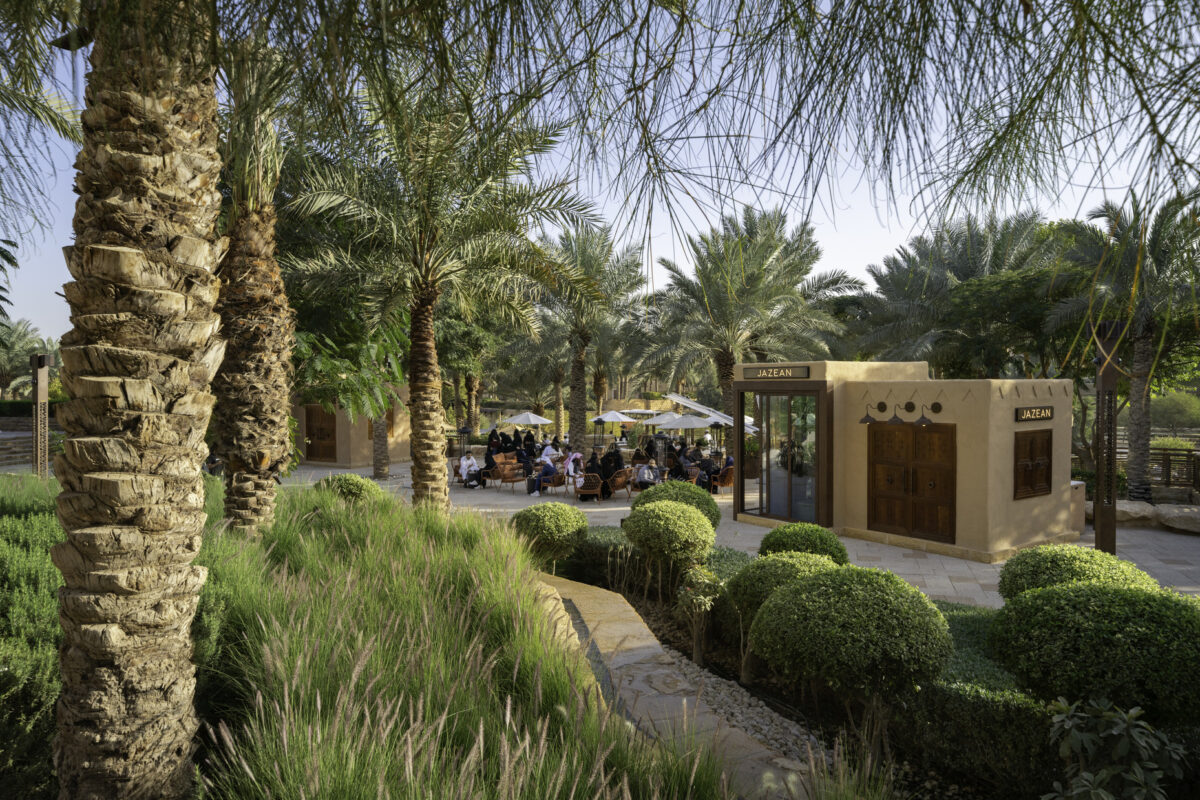
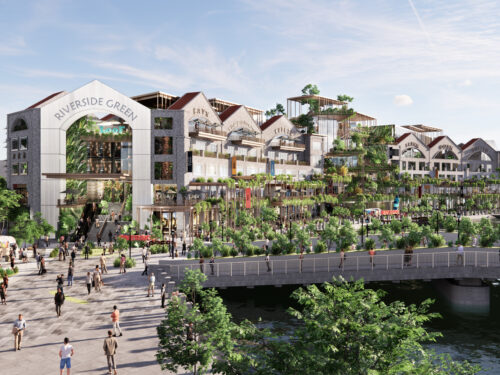
Bujairi Terrace
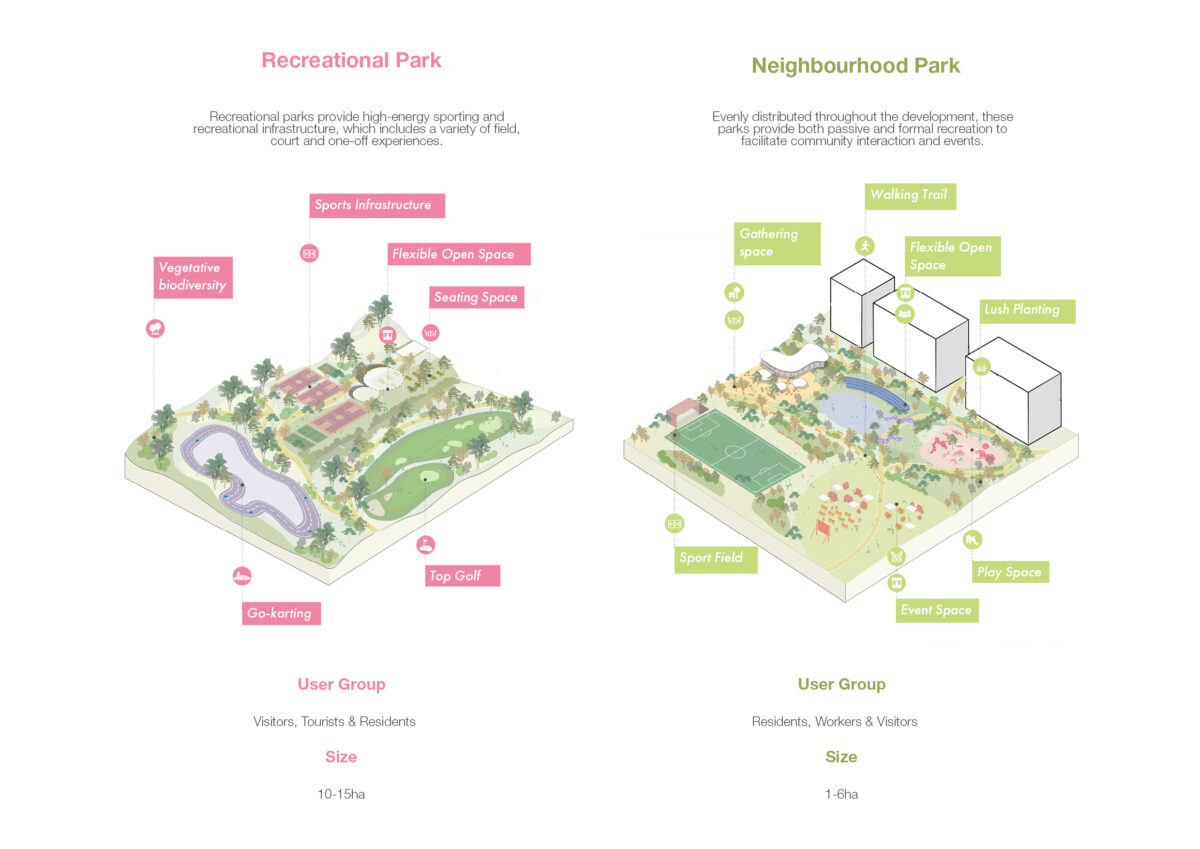
ABUJA GRAPHICS2

Cultural understanding in practice

At Benoy, we’ve delivered cultural masterplans like Yas Island in Abu Dhabi, which is about experiences and entertainment on reclaimed land, through to smaller scale projects like Bujairi Terrace in Diriyah, where we adopted an open-air, experience-led retail and dining concept in a heritage context, shifting away from a conventional air-conditioned shopping centre and food hall.

Our designs respond directly to how people live – whether through shopping, leisure or dining – and how thoughtful planting, seating and lighting can bring people together at different times of day, encouraging connection with one another and with nature, even in challenging climates.

“In hot climates, public realm tends to come alive in the evening,” says Ruchi. “Supporting daytime use isn’t impossible, but it requires significantly more thought around shade, cooling and spatial comfort than in temperate environments.”

We're currently carrying out multiple urban design and landscape projects in Tashkent, Uzbekistan, including for the new Ritz Carlton Hotel. “Our work in Tashkent has been an exercise in close observation – understanding how people use open space across extreme seasons,” says Ruchi. “Despite very hot summers and very cold winters, there is a strong cultural attachment to outdoor life. That insight became the foundation for an appropriate and resilient design response.”

“In terms of big moves, we’re always looking at existing systems,” adds Ruchi. “We try to plug in to resources and infrastructure in a seamless way.” For the Ritz Carlton Hotel, the new public plaza is connected to the broader urban context by a network of passageways, footpaths and parks. Surrounded by mixed-use retail and dining, the plaza opens up the private sphere with a new public space that local communities can enjoy as an extension to their immediate environment.

Tashkent New City 2
Chirchiq River Masterplan Tashkent Uzbekistan 2
Chirchiq Axon SMALL
Bujairi Terrace
ABUJA GRAPHICS2
Tashkent New City 2