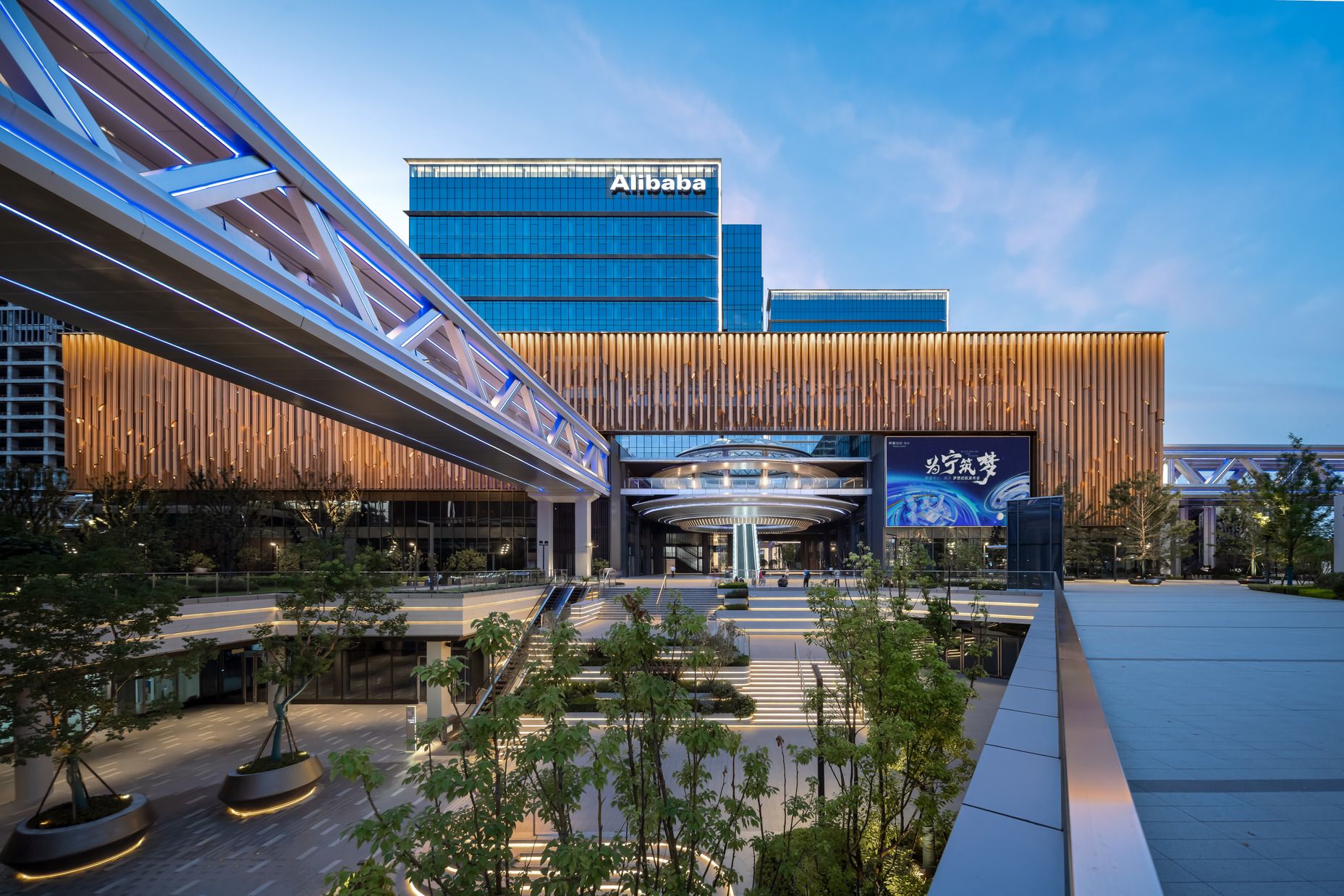
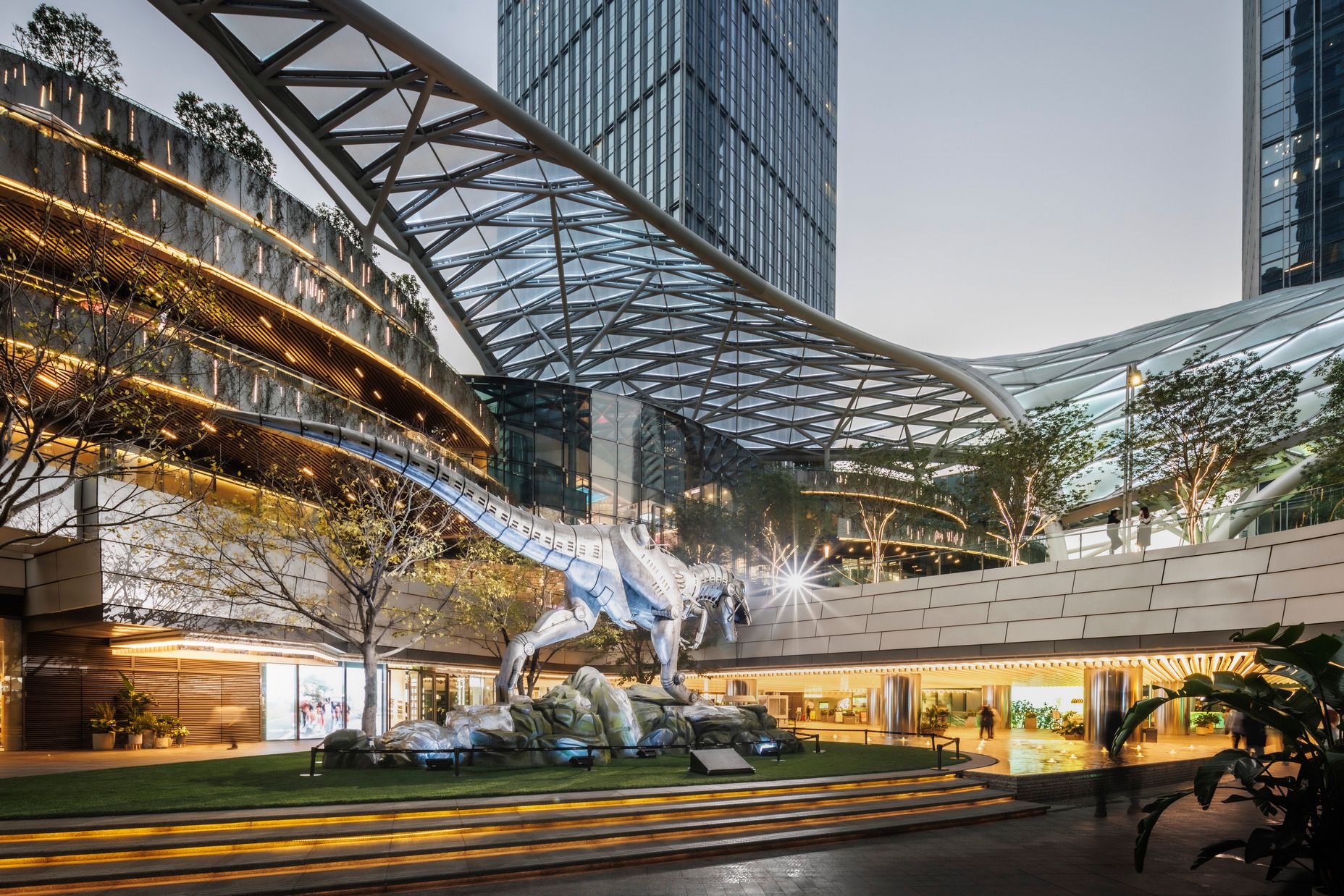
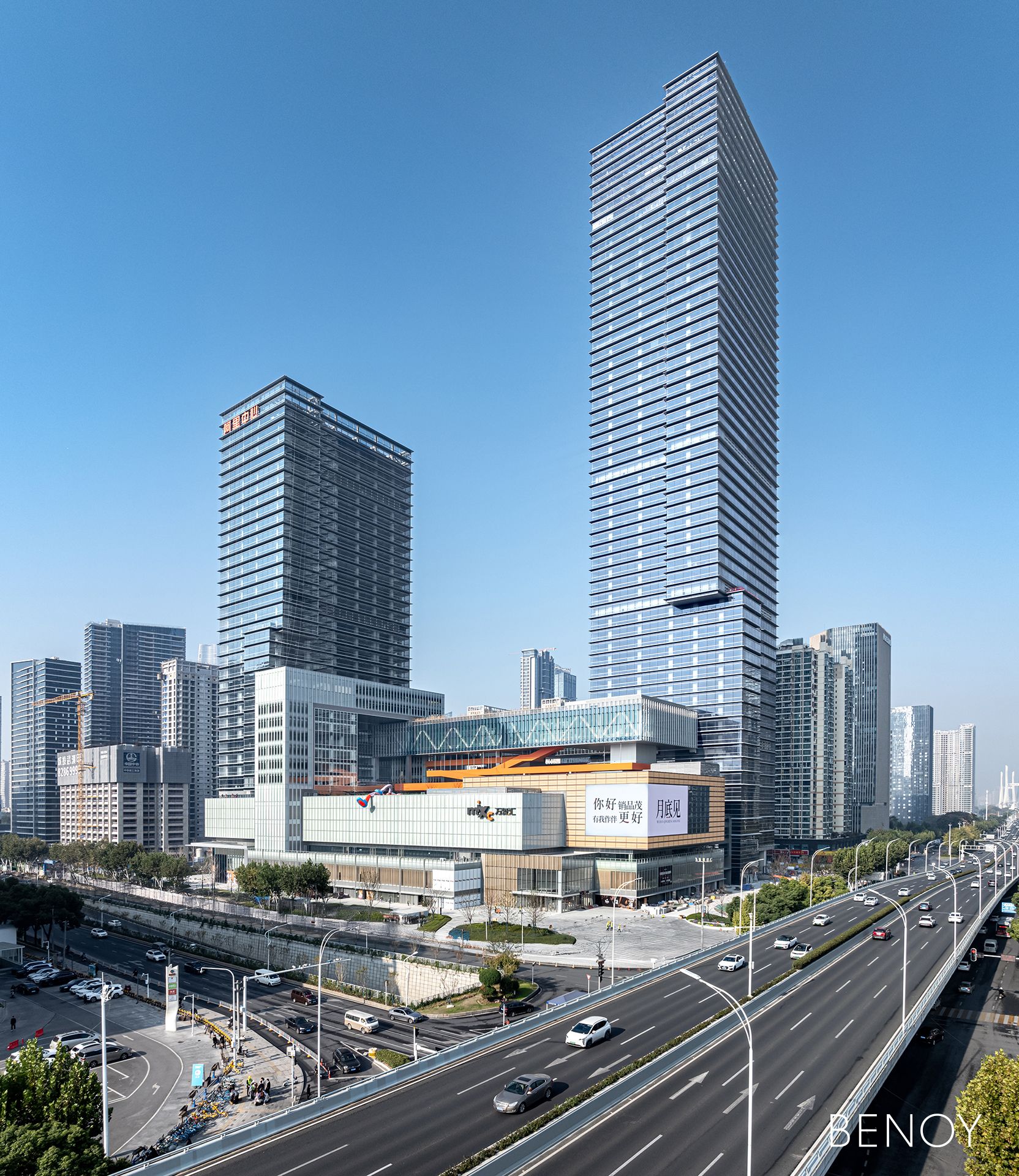
Wuhan Alibaba Center
China
View Project

Our buildings don’t look alike, but the thinking behind them is the same. It starts with understanding how each will be used, run and sustained.


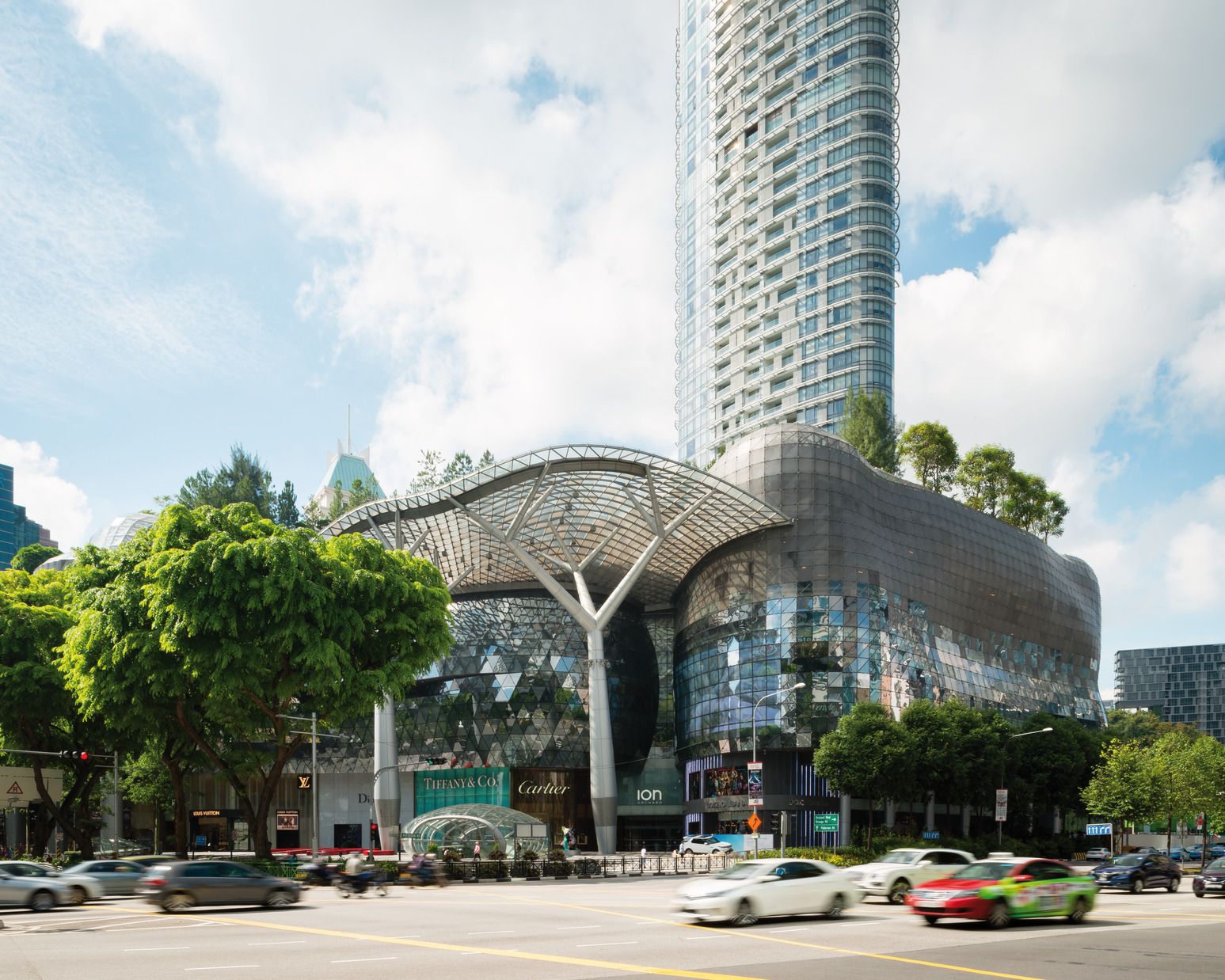
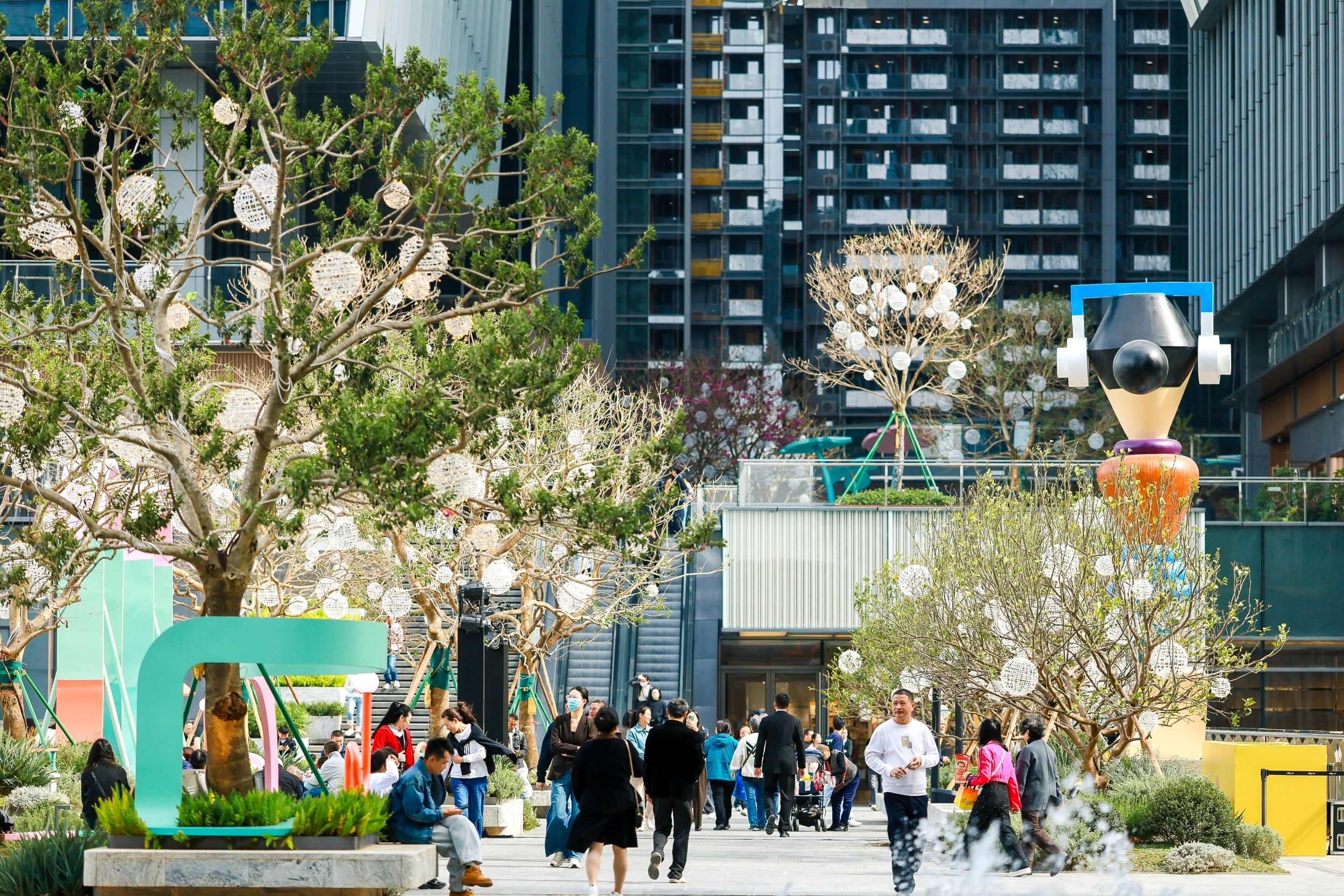
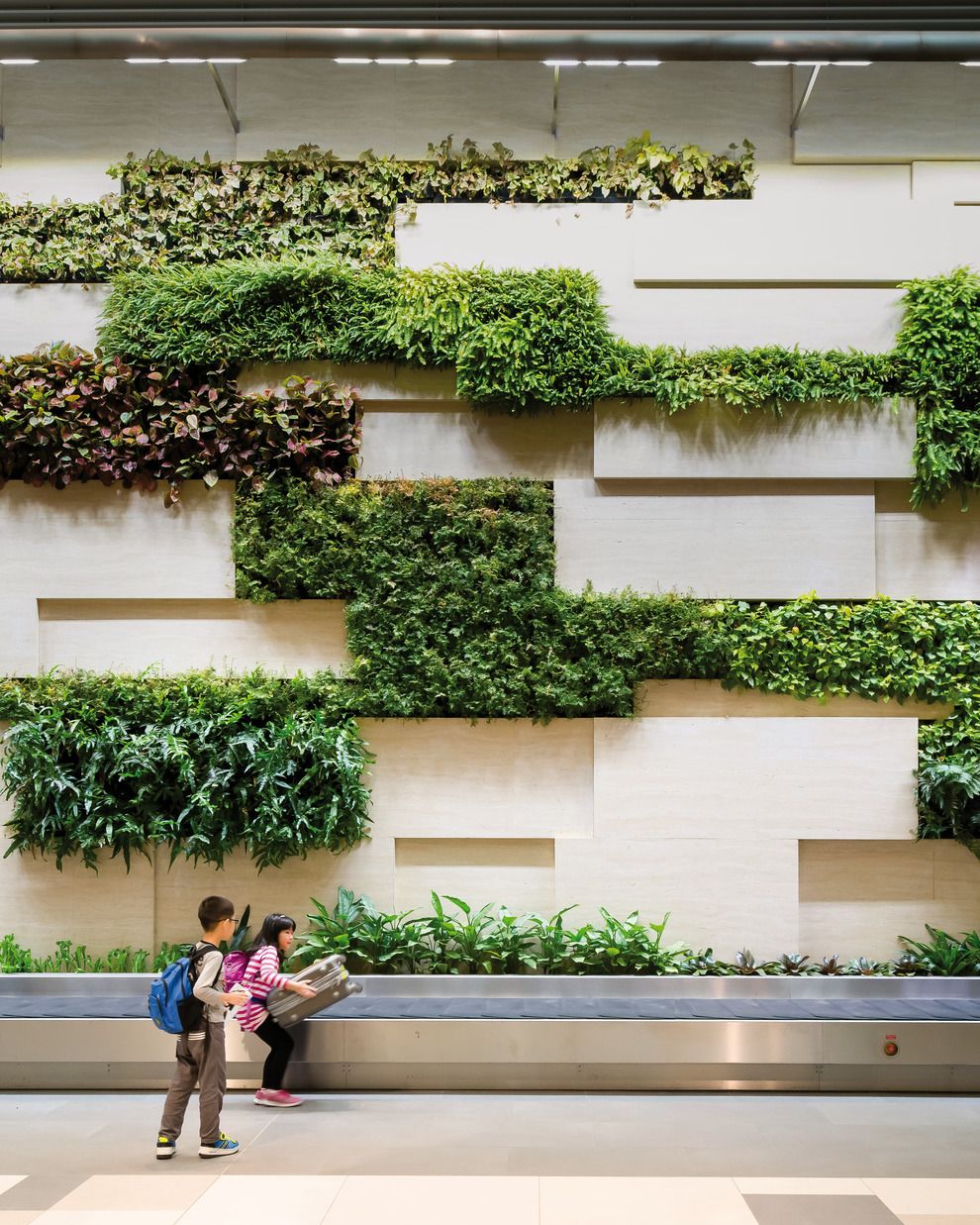
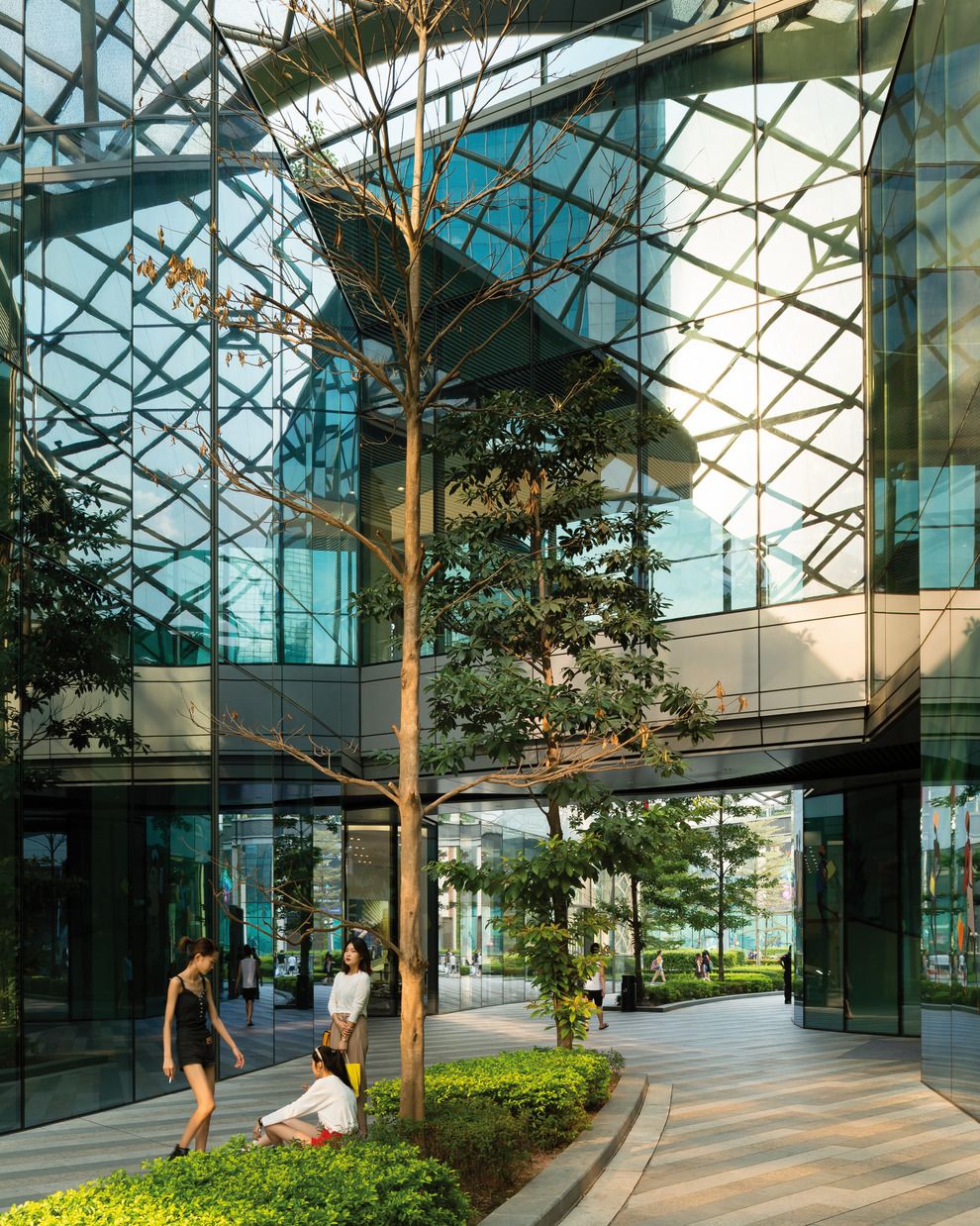
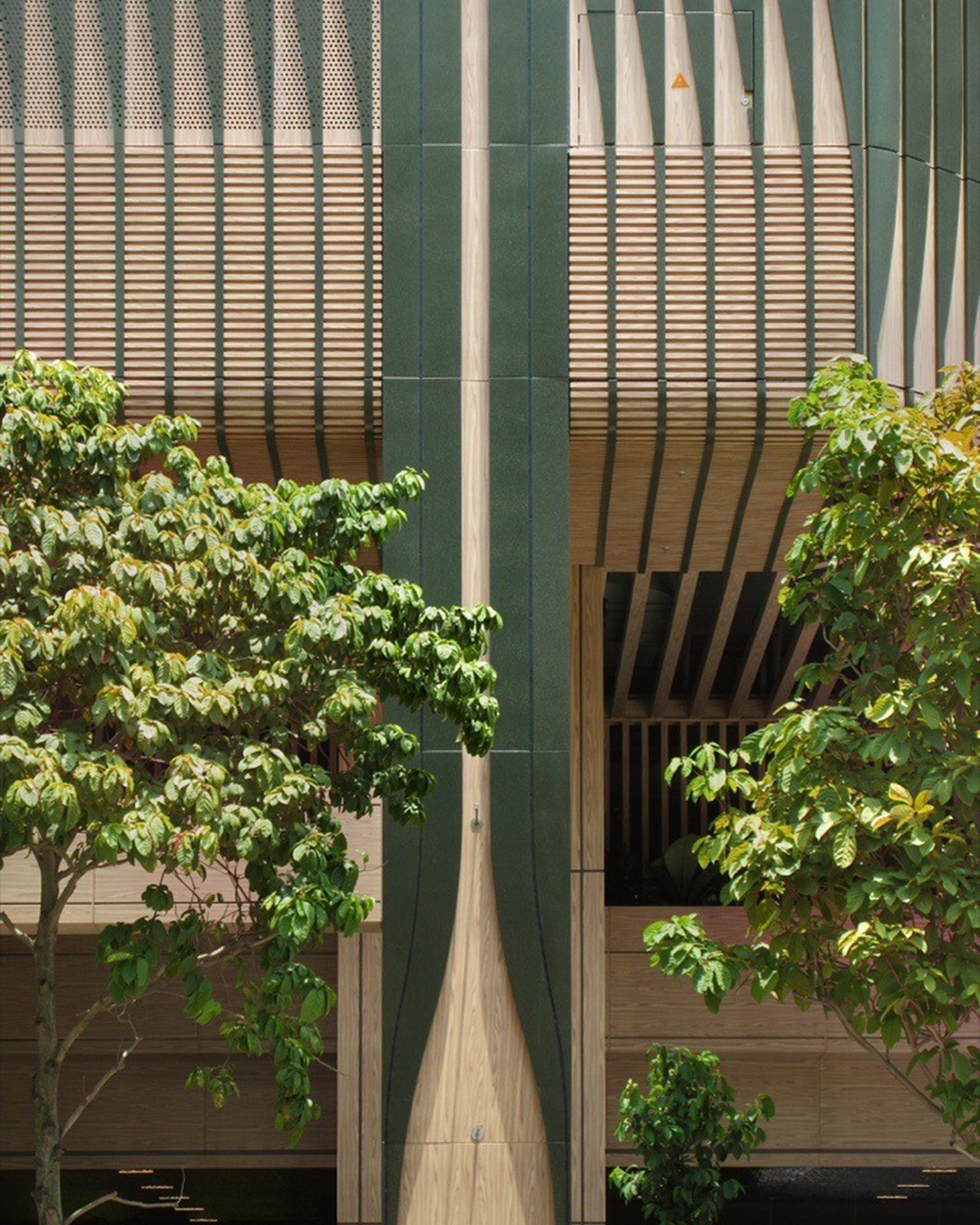
How people will interact with place hinges on small decisions. Where the light falls in the afternoon. The distance between a seat and a door. Whether the route to the lift passes anything worth stopping for. These details are where we spend our time: on sightlines, material choices, the junctions where interiors meet landscape, and on how a building will shape the behaviour and wellbeing of the people inside.
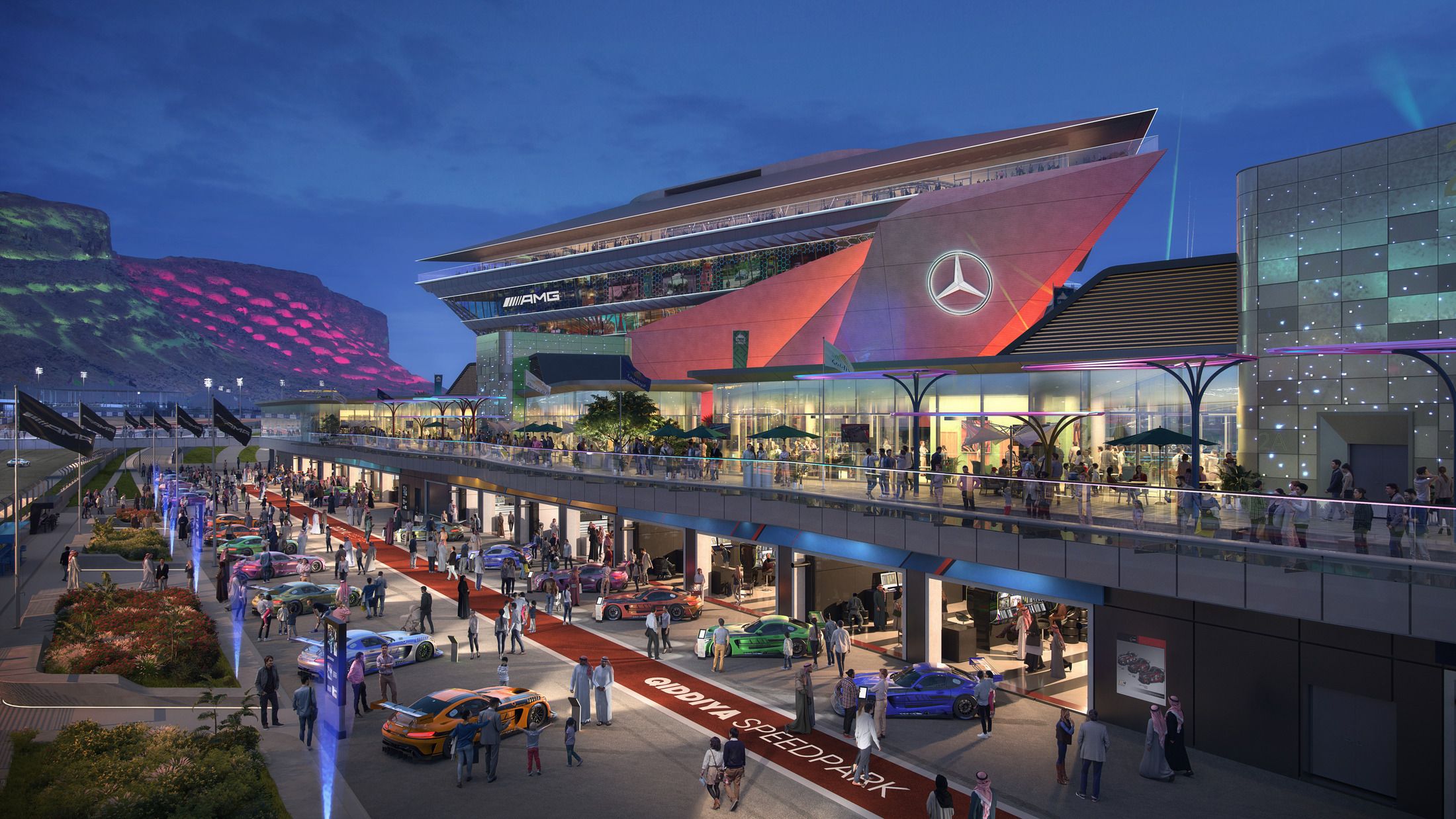
Since the 1940s, we’ve delivered hundreds of buildings across scales and sectors, from tall buildings and office campuses to mixed-use destinations, luxury hotels, airports and transport hubs. Creative exploration is tested against evidence from day one. How much a place needs to earn, how many people will move through it, where they will slow down and how it will cope with its climate are all verified before we start to draw.
Our in-house design technology team builds proprietary tools to extend what our designers can do. Computational modelling, environmental simulations and custom workflows let the studio pursue complex solutions while keeping designs buildable and improving energy and carbon performance – all without trading architectural ambition.
None of this decides what a building should be; that judgement remains our own. But it does serve one crucial test: whether people will return.