June Coast
Ras El Hekma, Egypt
A Mediterranean community anchored by civic life
Service
Landscape Architecture
Sector
Residential, retail, mixed use, hospitality
Client
SODIC
Size
1.14 million m2
Challenge
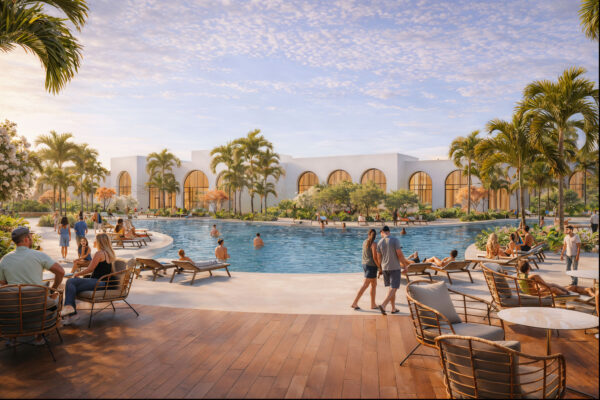
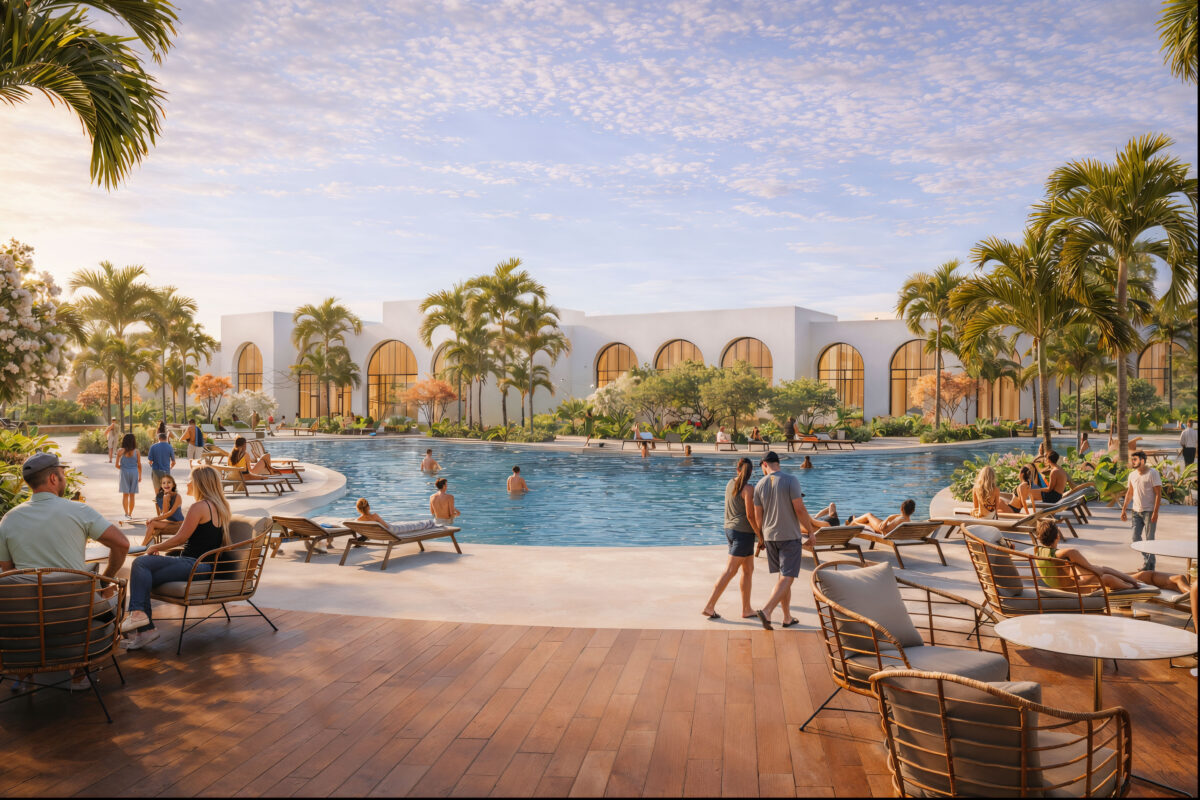
June Coast is a 281-acre masterplan on Egypt’s northern coast, conceived as a Mediterranean community where the landscape draws the sea inland. At Ras El Hekma, the aquamarine coastline is the site’s defining asset – our design fuses topography, water and planting to extend that coastal identity deep inland, ensuring every residence and public space maintains a relationship with the water’s edge.
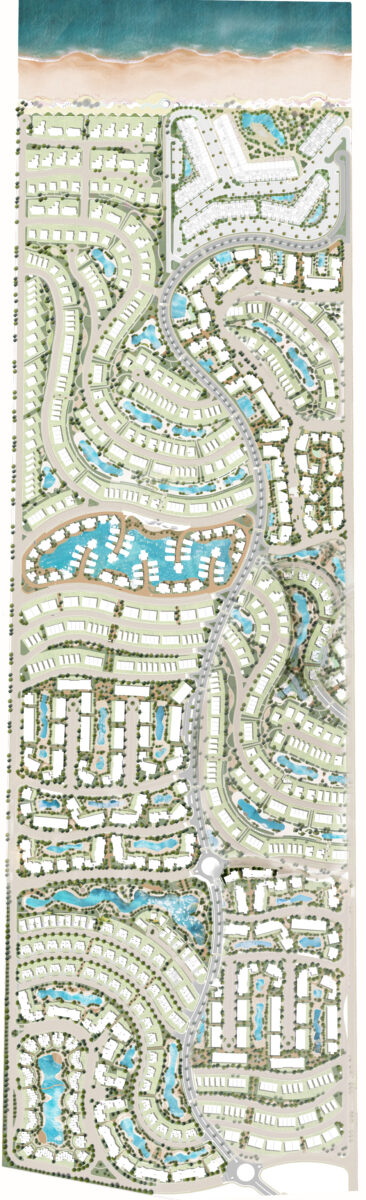
A layered spatial strategy organises the masterplan into ten phased plots around a continuous blue-green framework, set within the Art Deco sensibility of the shoreline architecture carried into the ground plane through formal promenades, sculpted landforms and a material palette of pale stone and warm render that reflects the Mediterranean light.
Solution
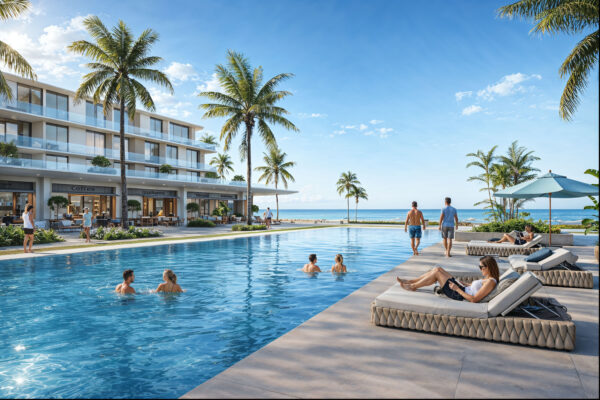
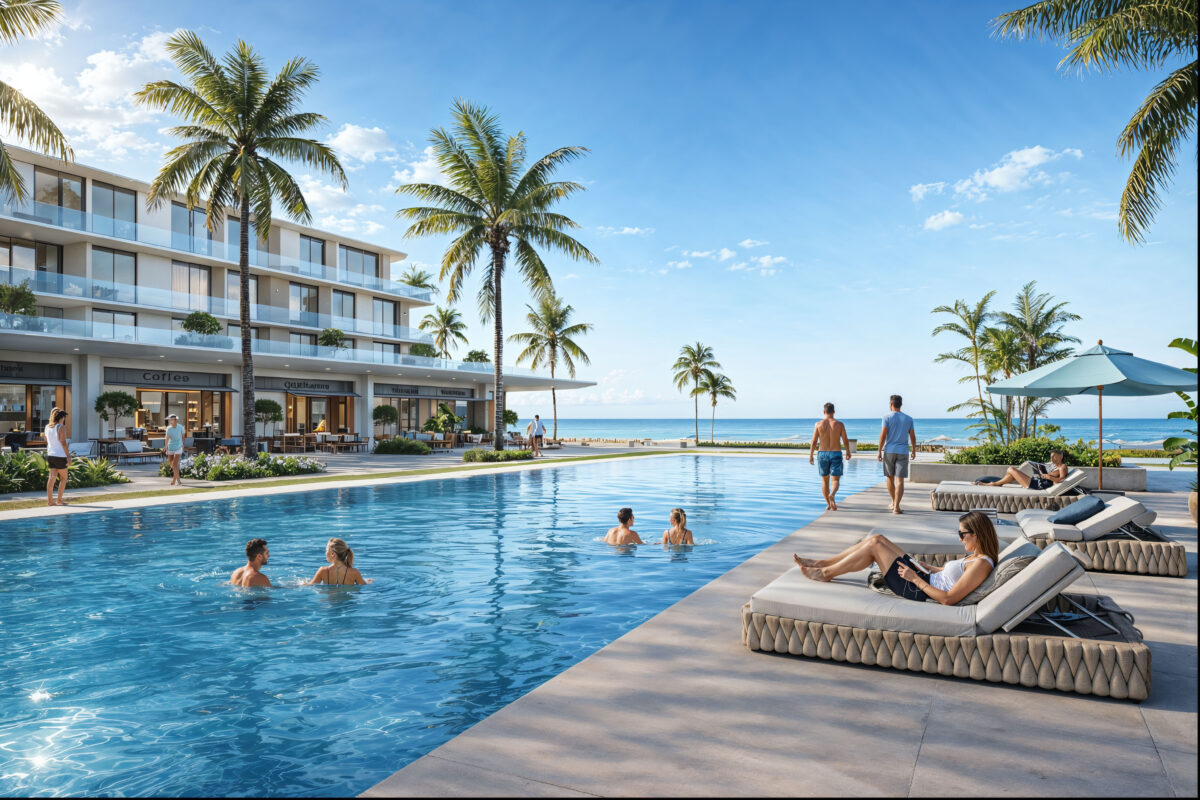
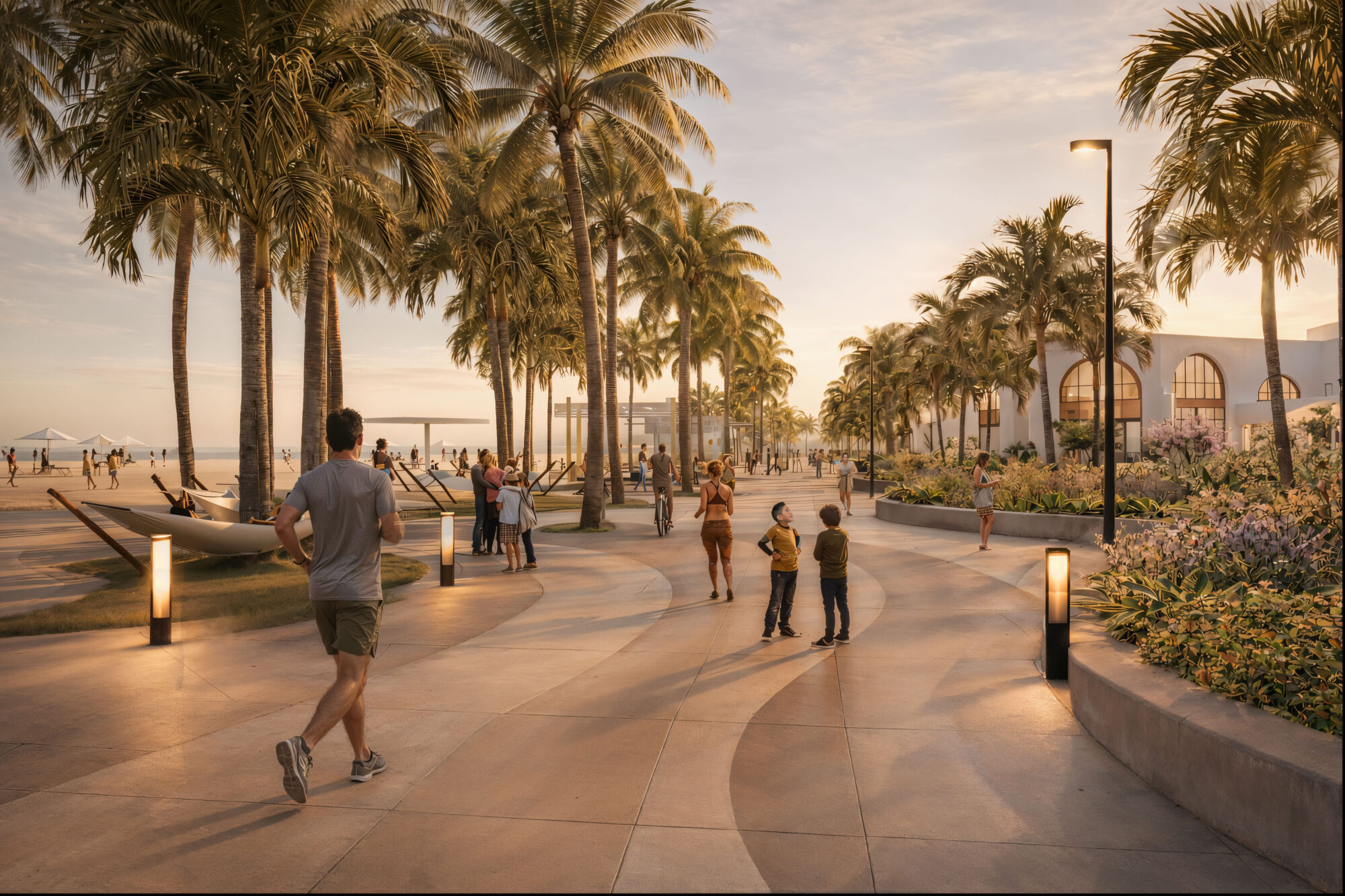
At the heart of the masterplan, an undulating statement promenade forms a prominent piece of applied art, reflecting the beachfront Art Deco sensibility while accommodating retail and entertainment spaces along the shoreline. A beachfront hotel anchors the community as a civic leisure landmark.
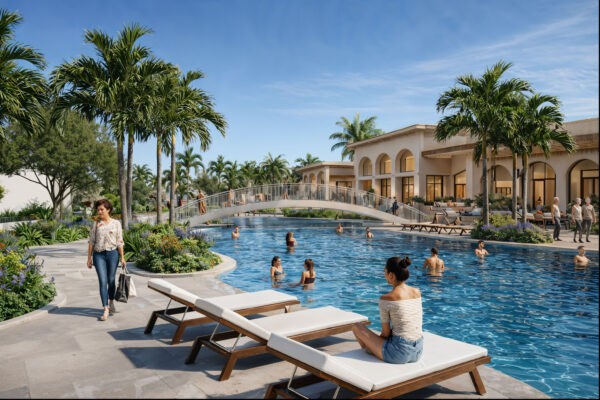
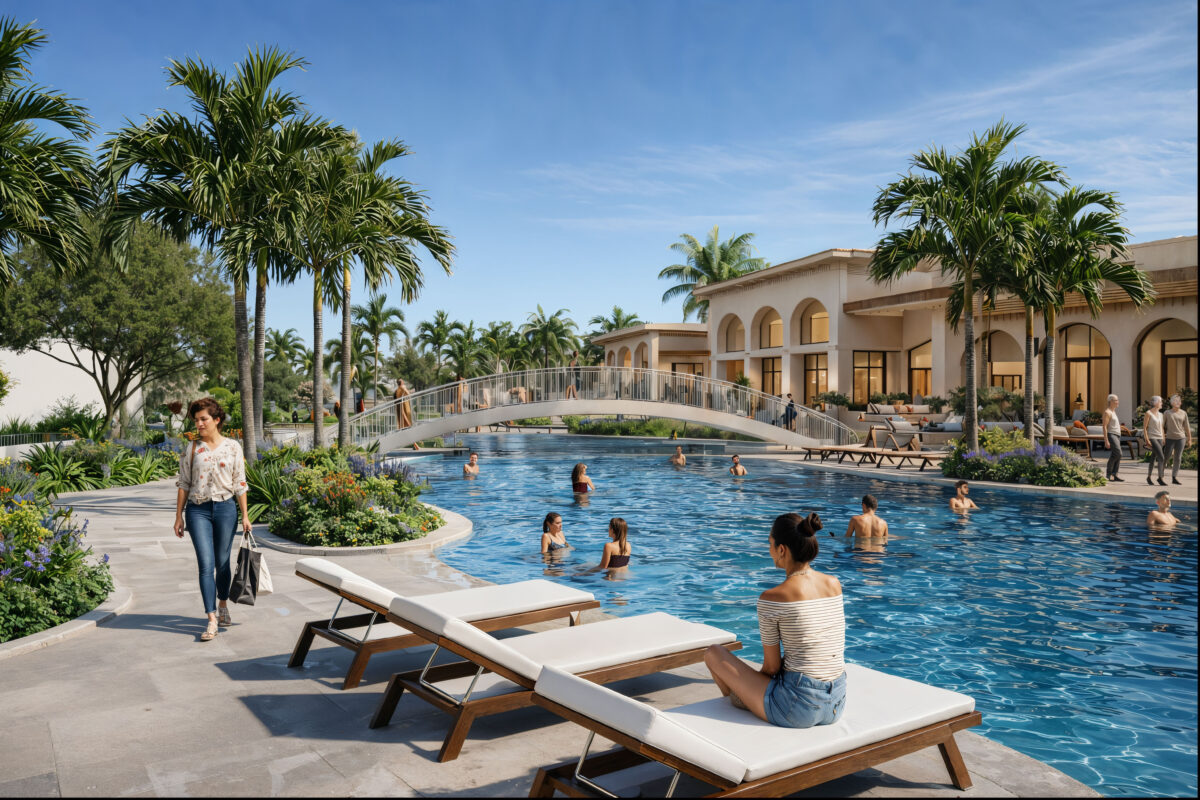
Beyond the seafront, a network of lagoons extends the waterfront experience inland. A central lake and sculpted hill maximise panoramic views across the site and out to the Mediterranean, using natural topography to enhance spatial drama while helping cool the site and encourage outdoor activity year-round. Premium water-facing residences support wellbeing through distributed social infrastructure – such as play nodes, exercise stations and shaded gathering areas.
Result
A tropical-inspired shoreline landscape forms a focal point within the masterplan, complemented by a variety of landscape-led spaces throughout the development. Sculpting techniques such as berming and terracing create varied landscape settings and naturally sheltered areas, ensuring spatial diversity throughout the development.
This landscape strategy integrates sponge city stormwater management solutions, channelling runoff through planted corridors and water features. Durable materials and salt-tolerant native planting blend to create a resilient environment adapted to its coastal context. A clear mobility framework integrates vehicular and pedestrian routes with micro-mobility paths, ensuring seamless movement across the site.
Landform is the primary design instrument across the masterplan. Berming and terracing shape the site into a series of distinct landscape experiences – naturally sheltered gardens that break the coastal wind while creating varied settings for residence, recreation and gathering. These sculpted landforms give the development its spatial identity, differentiating each plot while maintaining continuity across the full 114 hectares.
A sponge city drainage strategy channels stormwater through planted corridors and water features, integrating resilience into the landscape framework. Salt-tolerant native species anchor the planting palette, chosen for resilience, low maintenance and their ability to channel the site’s Mediterranean character. A fully integrated mobility framework weaves pedestrian, cycle and micro-mobility paths through the green network, connecting every part of the site to the water’s edge on foot.