Benoy Designs Airport City Mumbai, a New Benchmark in City Side Development
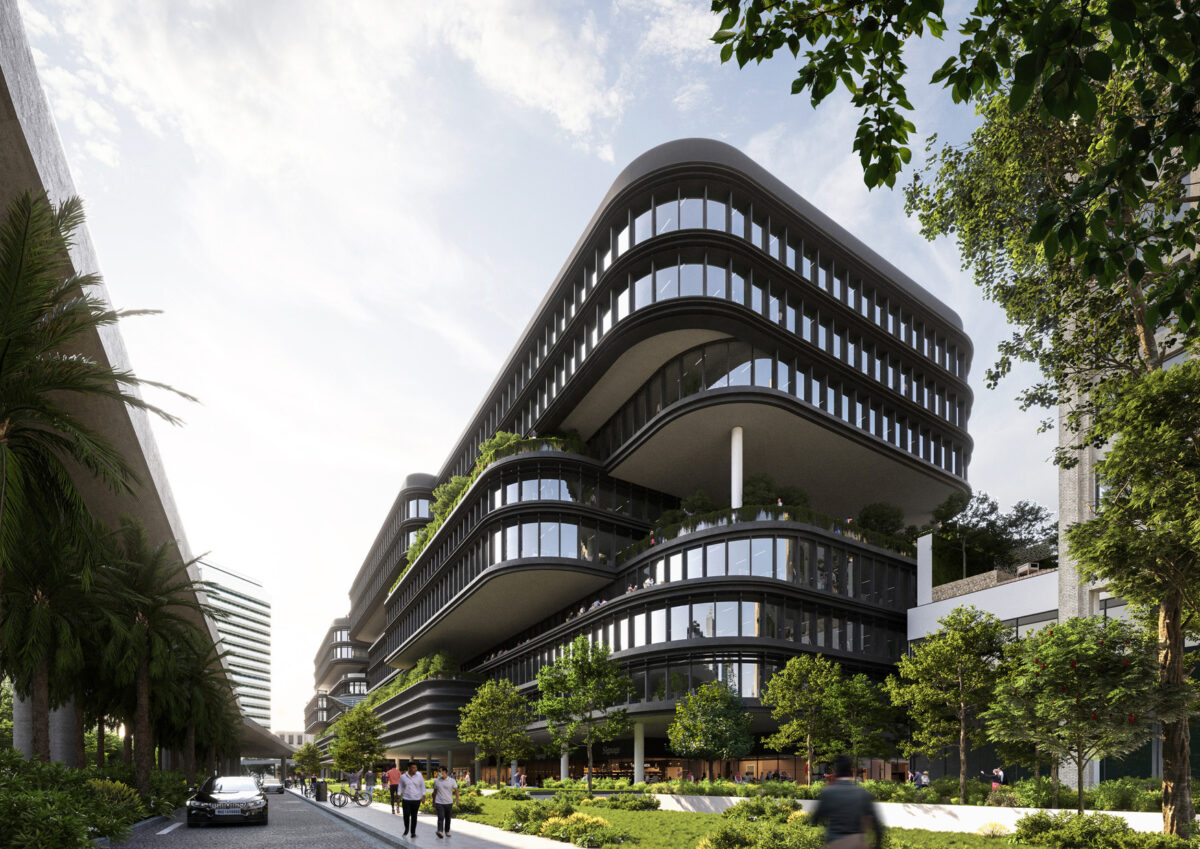
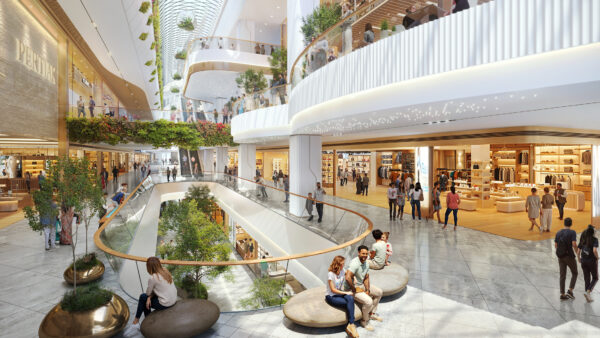
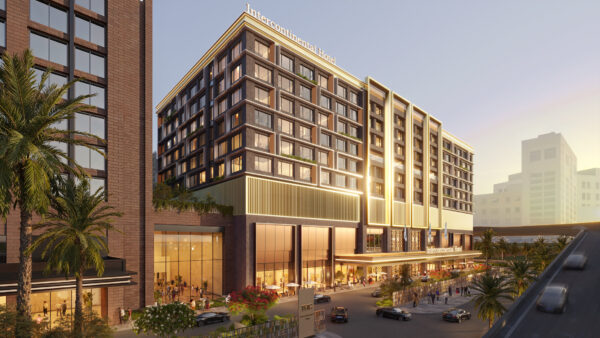
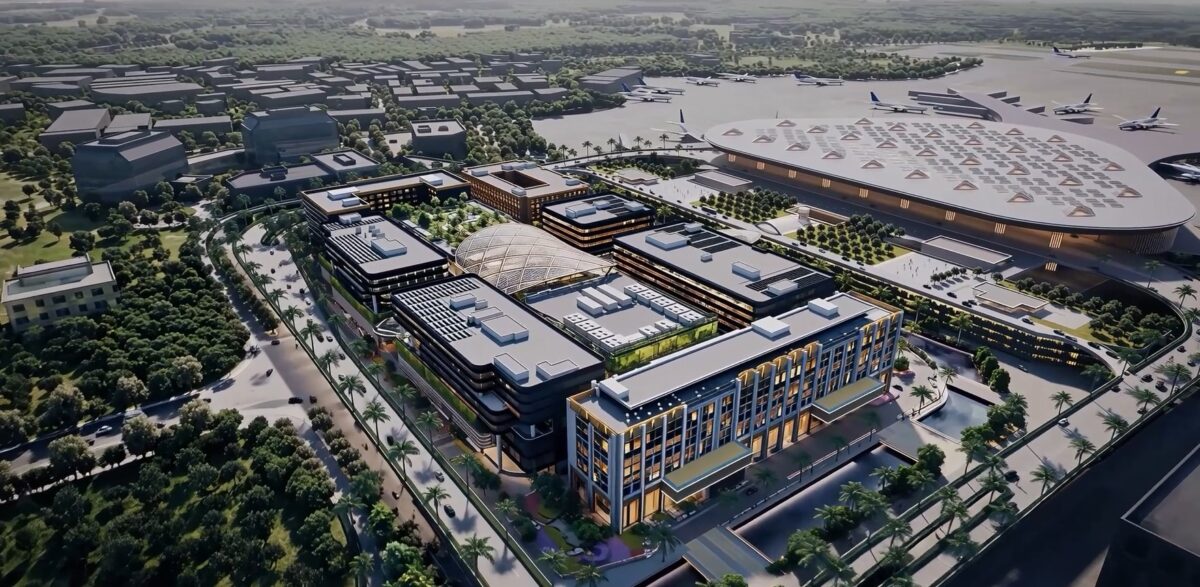
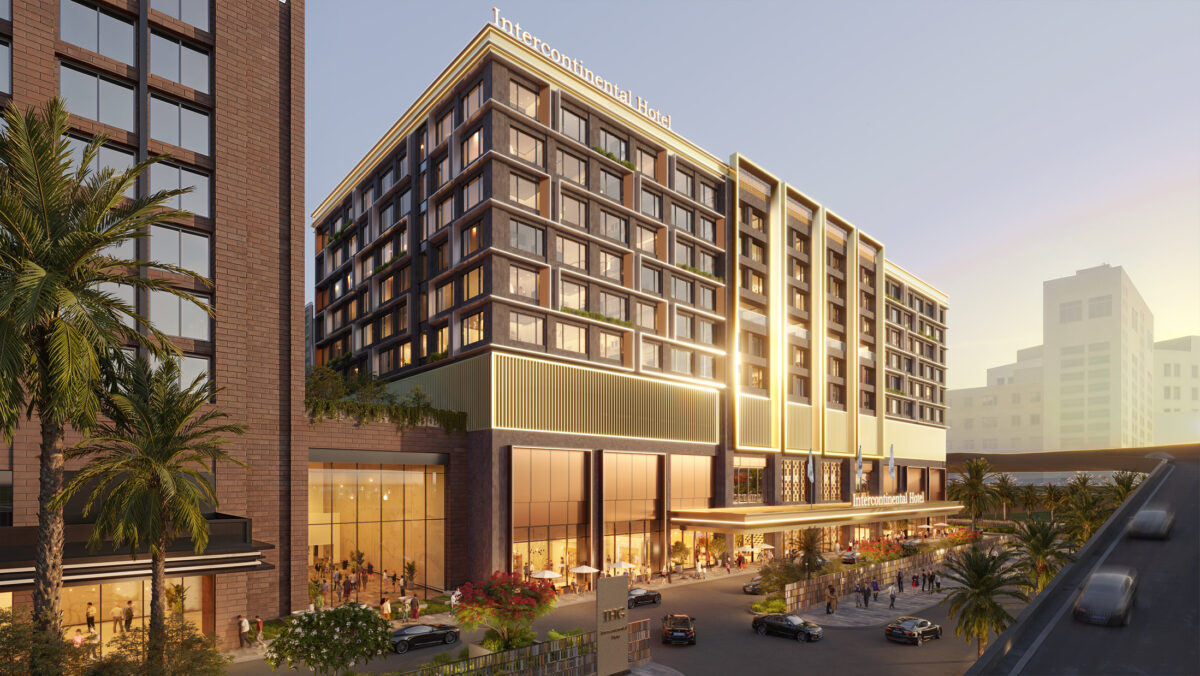
At the doorstep of Mumbai International Airport’s Terminal 2, the new Airport City Mumbai encapsulates the spirit of Mumbai. The ambitious ~ 5 million sq.ft. hospitality-led scheme expands the aviation landscape beyond the terminal with 360-degree views, three luxury hotels and Grade A office space alongside conference, luxury retail, a cinema, aquarium, family entertainment centre and restaurants. The development is designed to support India’s growing role in international travel and the airports 50 million annual passengers.
Underpinning the diversity of leisure options is strong transport connectivity with two metro lines. Metro passengers will pass through Airport City Mumbai on their way to and from the airport terminal, making the new development their first and last impression of the city. The design started with the modelling of user journeys: how visitors and passengers would move through the development before spatial allocations were set, drawing on Benoy’s interdisciplinary design and commercial strategy work to determine how different allocations would impact footfall, sales and rent.
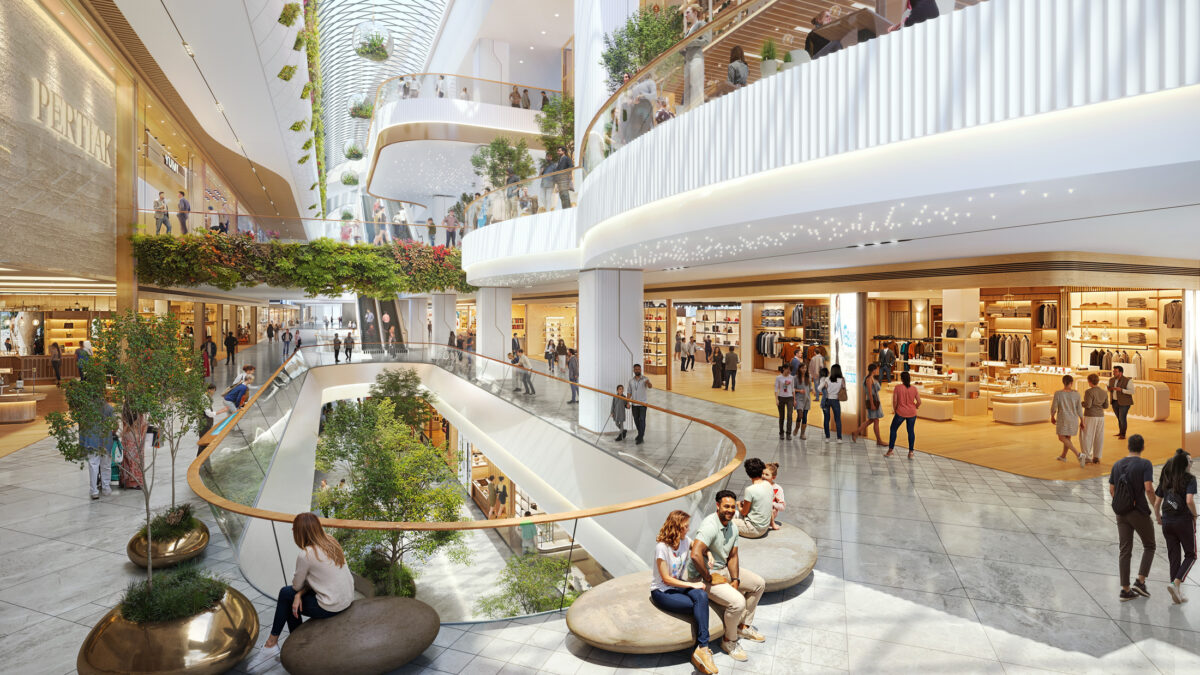
The overall destination is organised as seven distinct districts, each representing the essence of Mumbai’s original seven islands. Each district has its own materials palette, design concept and theme, from the craft quarter celebrating Mumbai’s textile mills and local artisans in Parel, to the luxury quarter with interiors and architecture inspired by Mumbai’s iconic heritage landmarks. The vivacity of Mumbai’s iconic Bollywood scene in Worli inspired the entertainment and leisure district, while the central urban rainforest spine takes its cue from the Colaba Causeway.
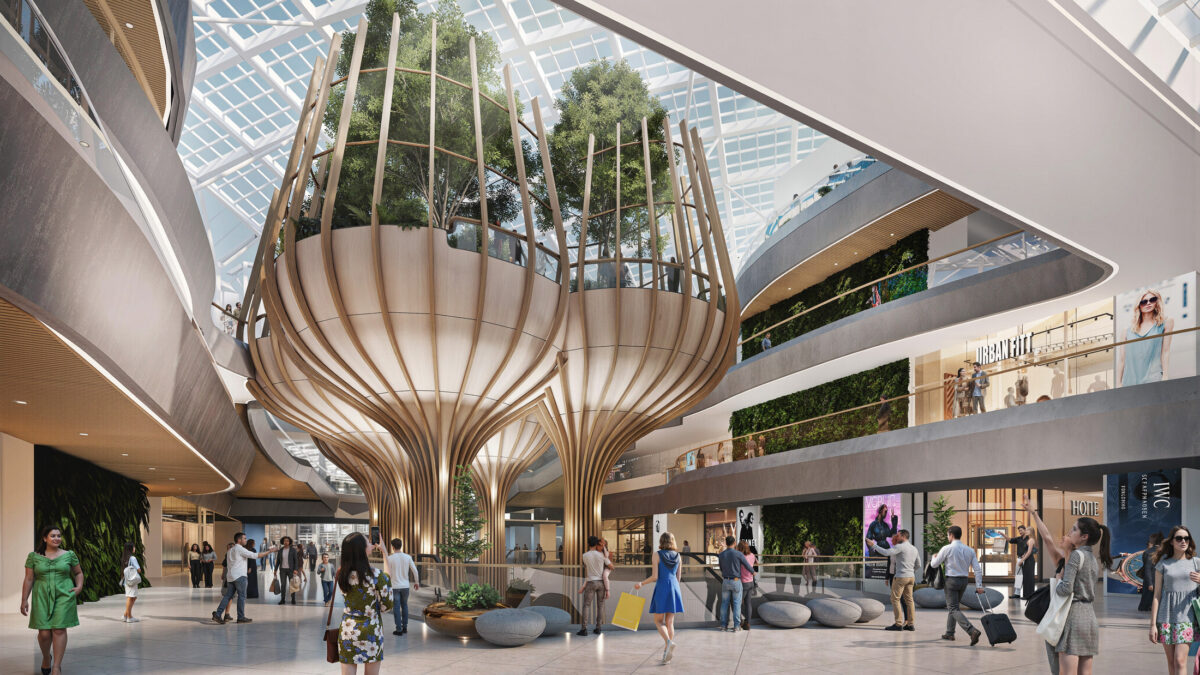
Biophilic design is central to every space, permeating through the interiors and outdoor spaces and culminating in five centrepiece biomes. The biomes lift Airport City Mumbai from a practical landside development. Designed as interactive spaces, the biomes provide visitors with the opportunity to reconnect with their five senses and find a calm oasis from the stress of travel.
Mike Wilson-MacCormack, Executive Director at Benoy, said: “A landside airport development is usually a throughput problem. Airport City Mumbai is designed around stillness as much as movement, and around Mumbai as much as the airport. Seven districts draw from the city’s original seven islands, craft and textiles from Parel, the symmetry of Colaba’s seafront, the colour and movement of Worli. Five biophilic biomes anchor the scheme, giving passengers a place to pause and reset between the city and the gate.”
Airport City Mumbai signals a new wave of aviation growth in India and a growing demand for alternative airport environments where people can meet and enjoy a smörgåsbord of leisure options during their journey.