University of Oxford’s humanities faculties united through Benoy’s wayfinding scheme
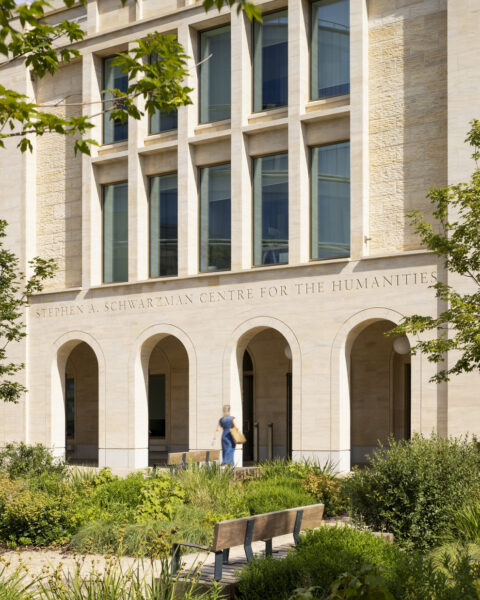
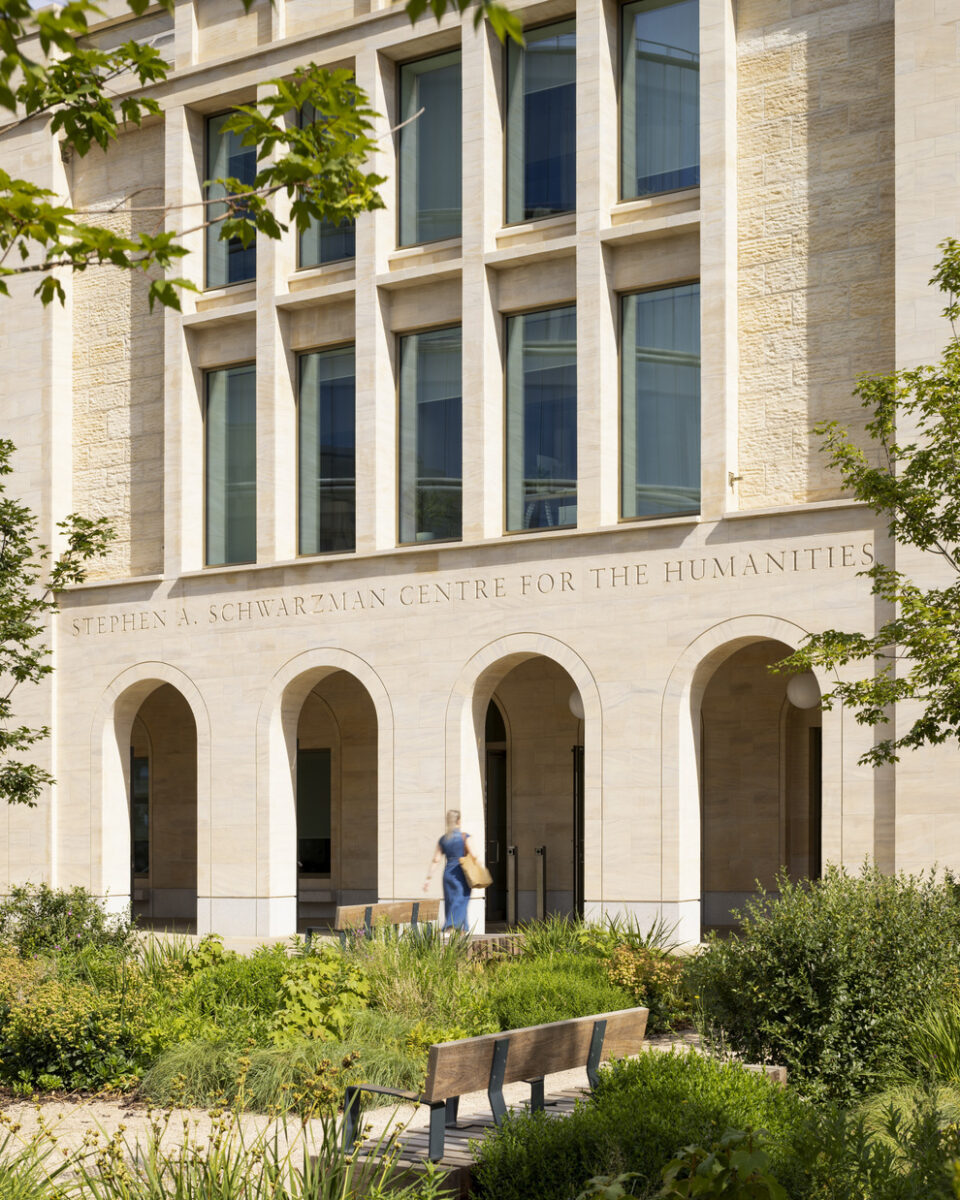
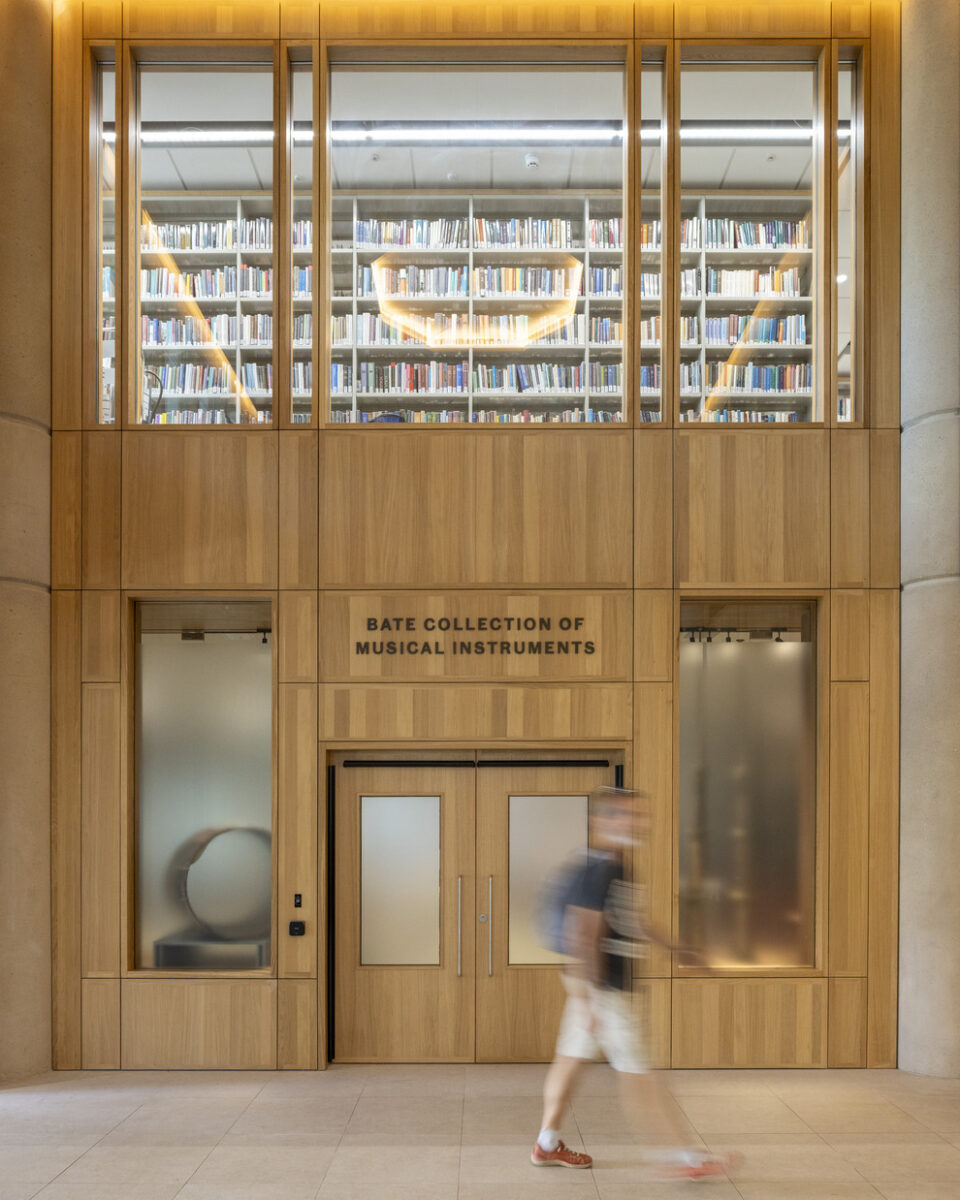
Combining heritage sensitivity with future-focused sustainable materials, Benoy has completed the wayfinding design for the University of Oxford’s Schwarzman Centre for the Humanities. The building is the new headquarters for the university’s prestigious humanities division, bringing seven faculties together for the first time in the university’s history. It houses a world-class concert hall, library, lecture theatres, exhibition spaces and teaching facilities. The Benoy Branded Environments team was inspired by the history and traditions of the university when developing the wayfinding strategy.
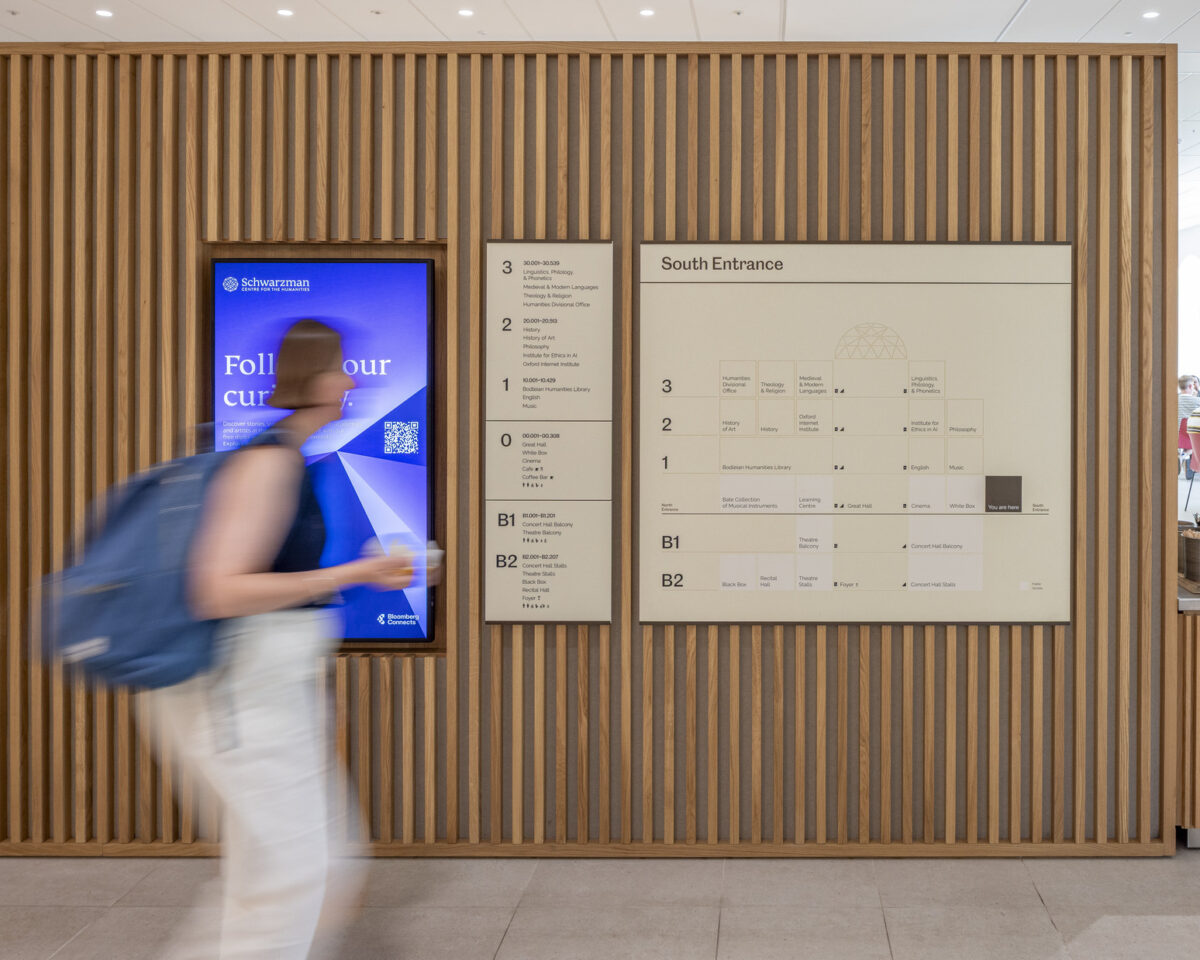
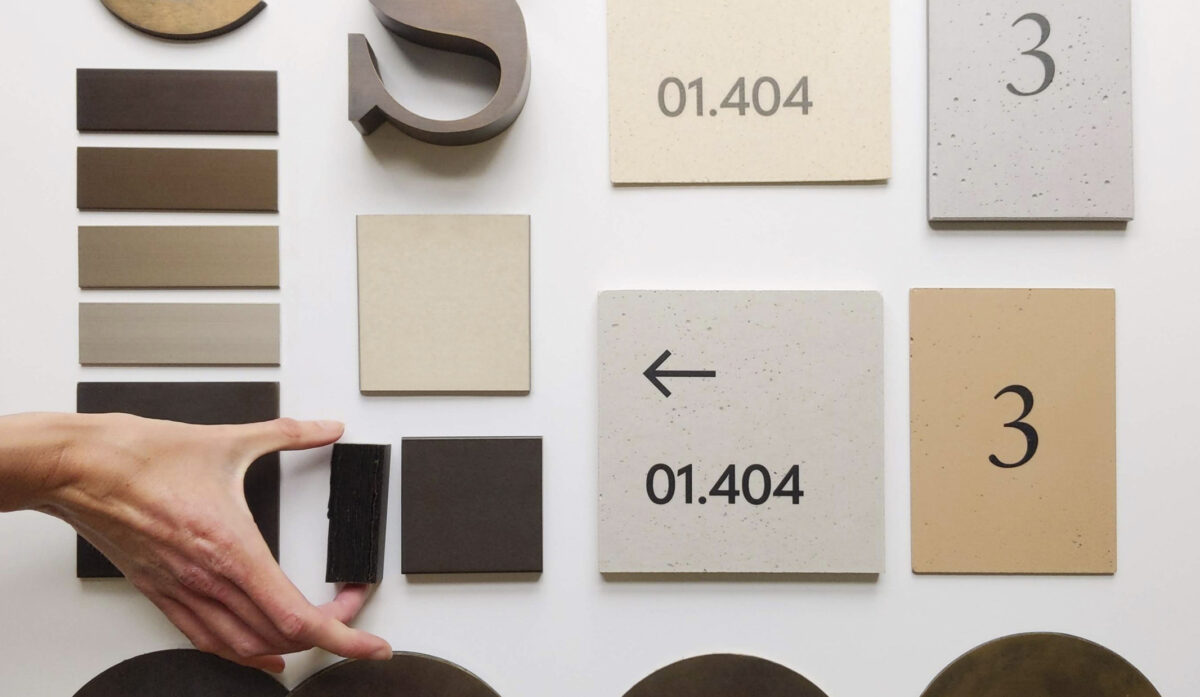
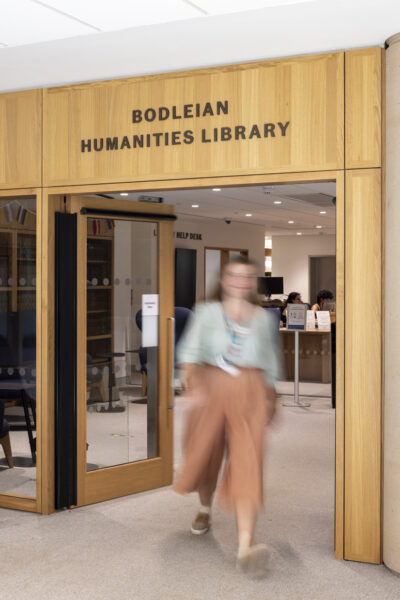
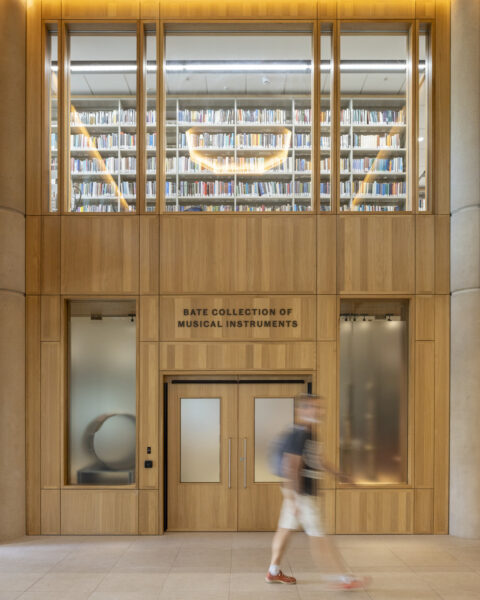
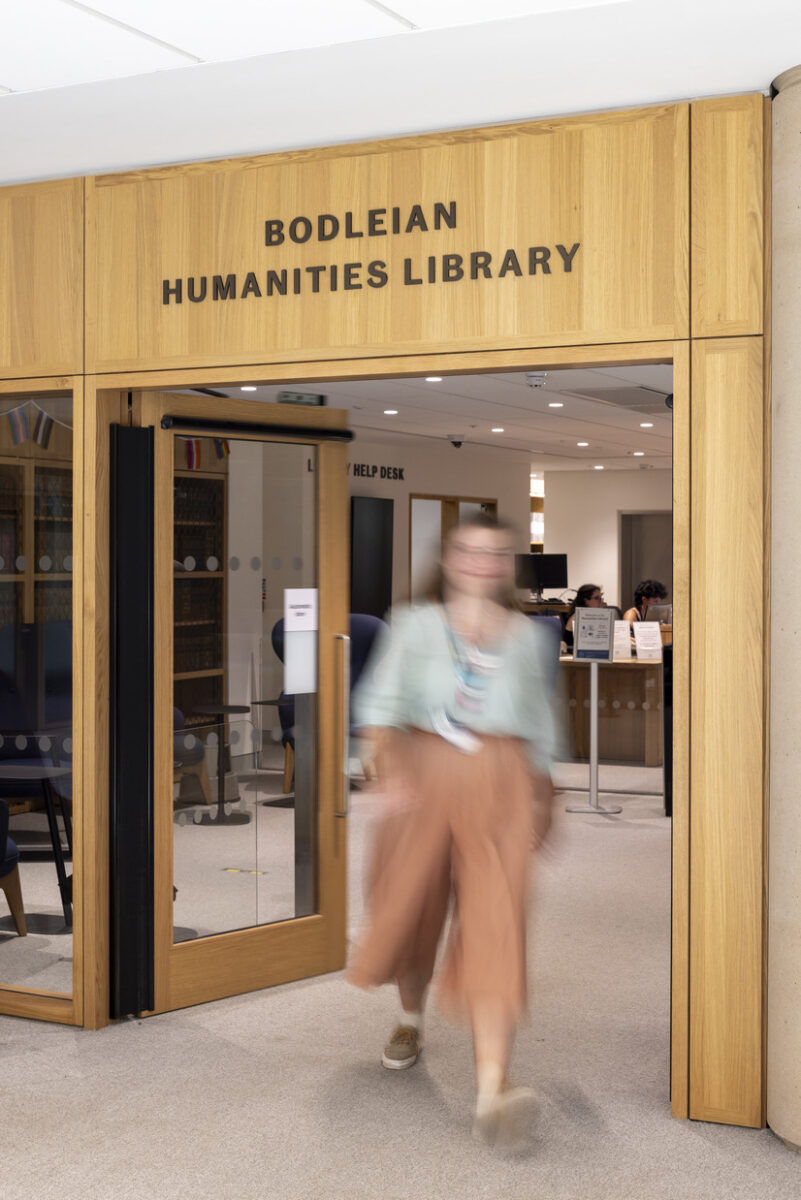
Sustainable and local materials such as natural oak and stone were chosen to reduce production waste and ensure durability, while also reflecting the university’s sustainability ambitions and complementing the building’s architecture. One of the key innovative products used was Polygood, a smooth and robust material made entirely from recycled fridges. Keeping future-proofing front of mind, interior graphics were applied using vinyl, allowing them to be easily switched out if the university needs to replace or update them down the line.
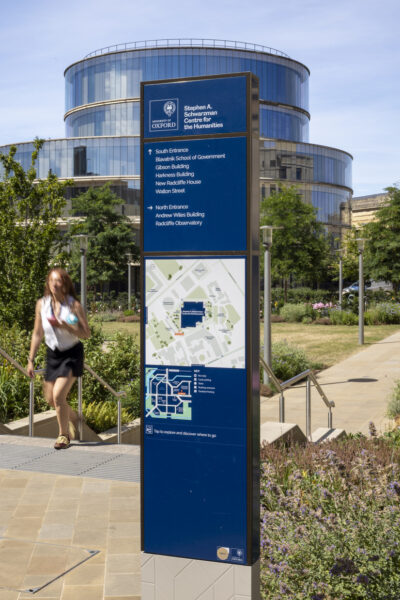
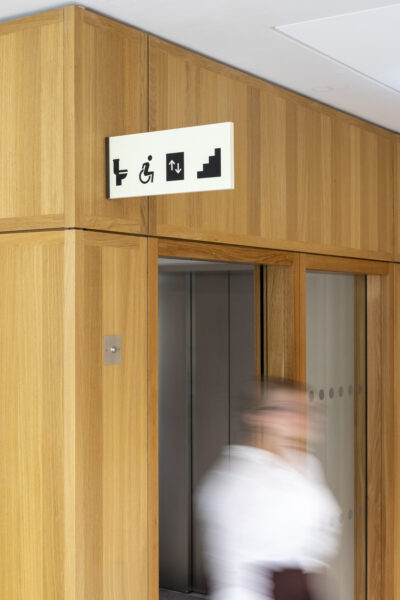
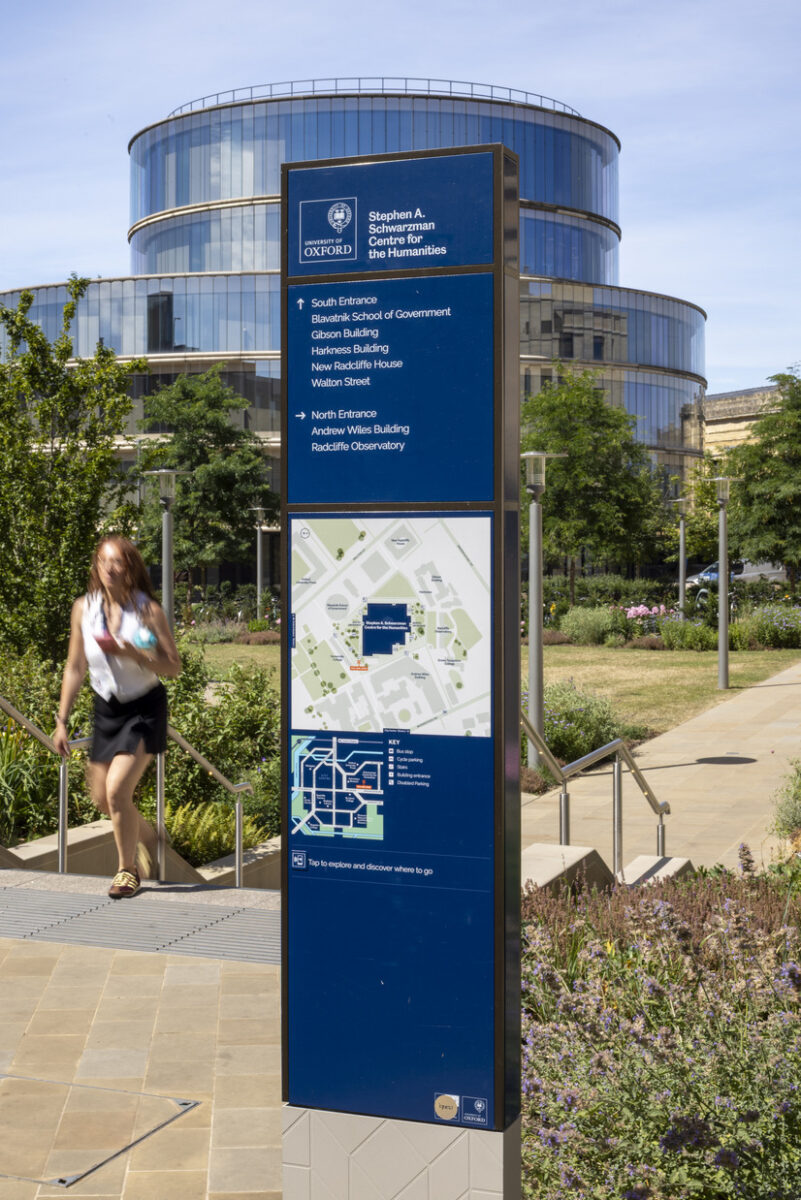
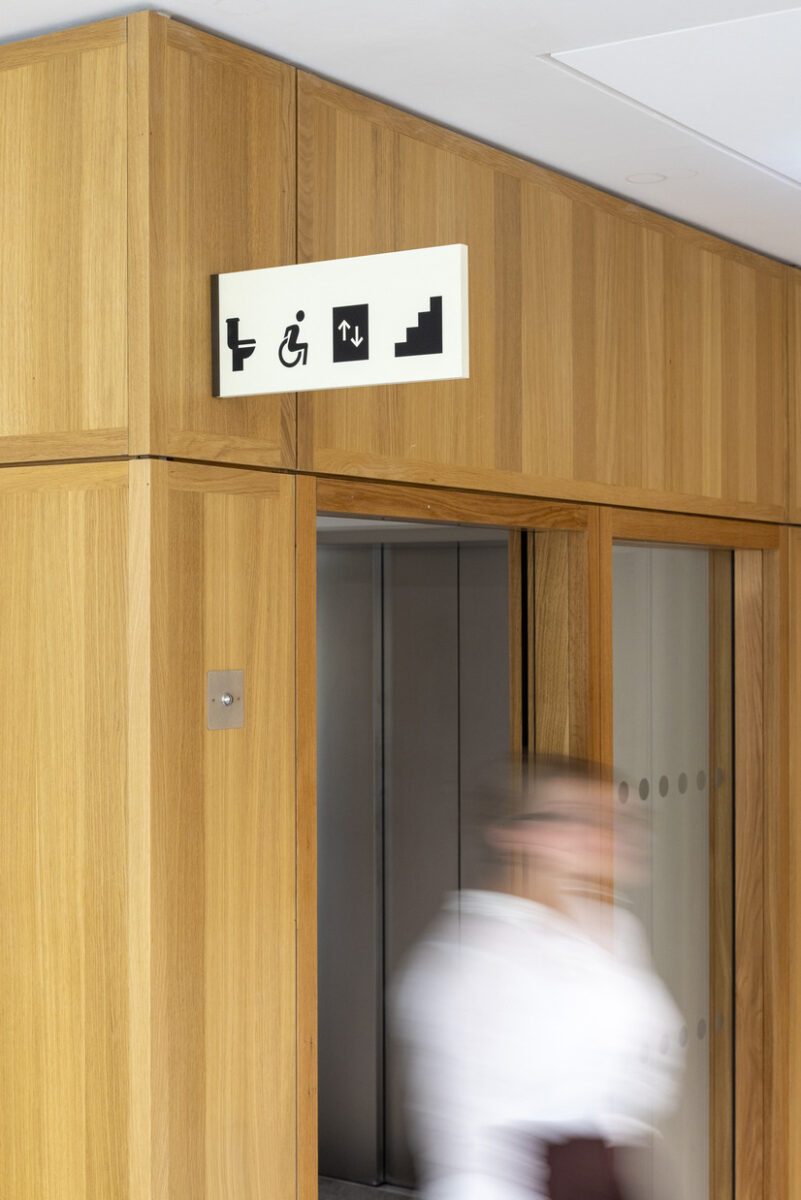
Typefaces Calson Doric and Raleway were chosen for their legibility and strong roots in British history, while a bespoke pictogram set was designed in-house to match the typefaces. Inspired by the letter ‘H’ (to represent the division housed within the building), the fixing system for wall-mounted and totem signs was designed using different sections of the letter to create framing mechanisms. Some took the full ‘H’ form, while others took the bottom section of the letter to create an inverted square ‘U’ shape, and some took the form of the left-hand side of the letter to form a sideways ‘T’. Each iteration adds to the wayfinding vernacular while maintaining a cohesive identity. As with the building’s visual identity, the external wayfinding totems also incorporate the building’s key feature, a glass and timber domed ceiling, as a detail etched into the base of the totems.
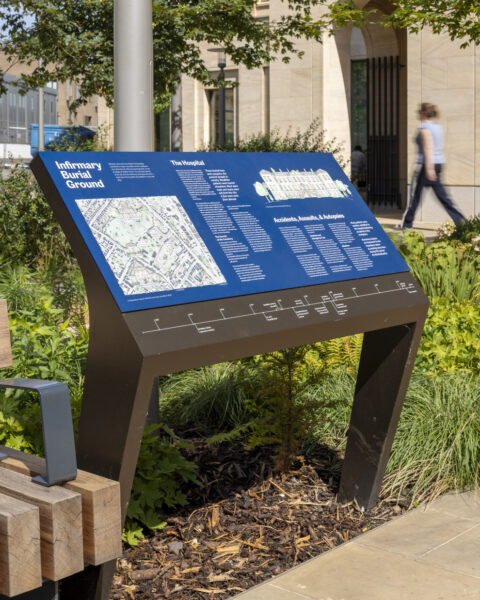
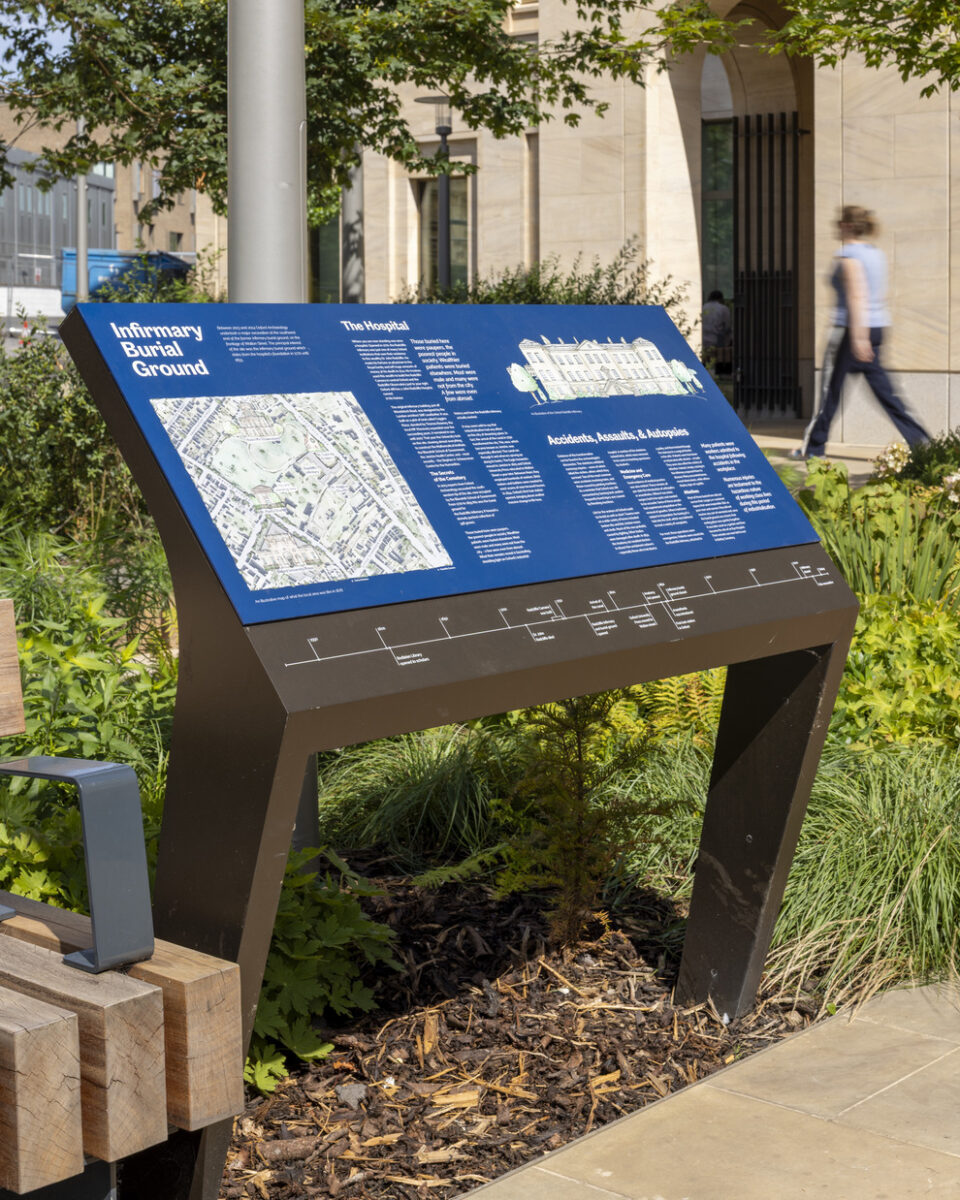
For the archaeological information boards, Benoy completed all the graphics, incorporating Oxford Blue as a key colour, and designed the physical form in the shape of a lectern, in homage to the university’s educational mission.
Director Graeme Crow says: “It’s been a privilege to contribute to the ever-evolving history of such a prestigious institution, particularly for a department that shares our passion for communication and storytelling. We’ve sought to honour the University of Oxford’s heritage while creating a modern, future-focused wayfinding design that puts sustainable materials front and centre.”