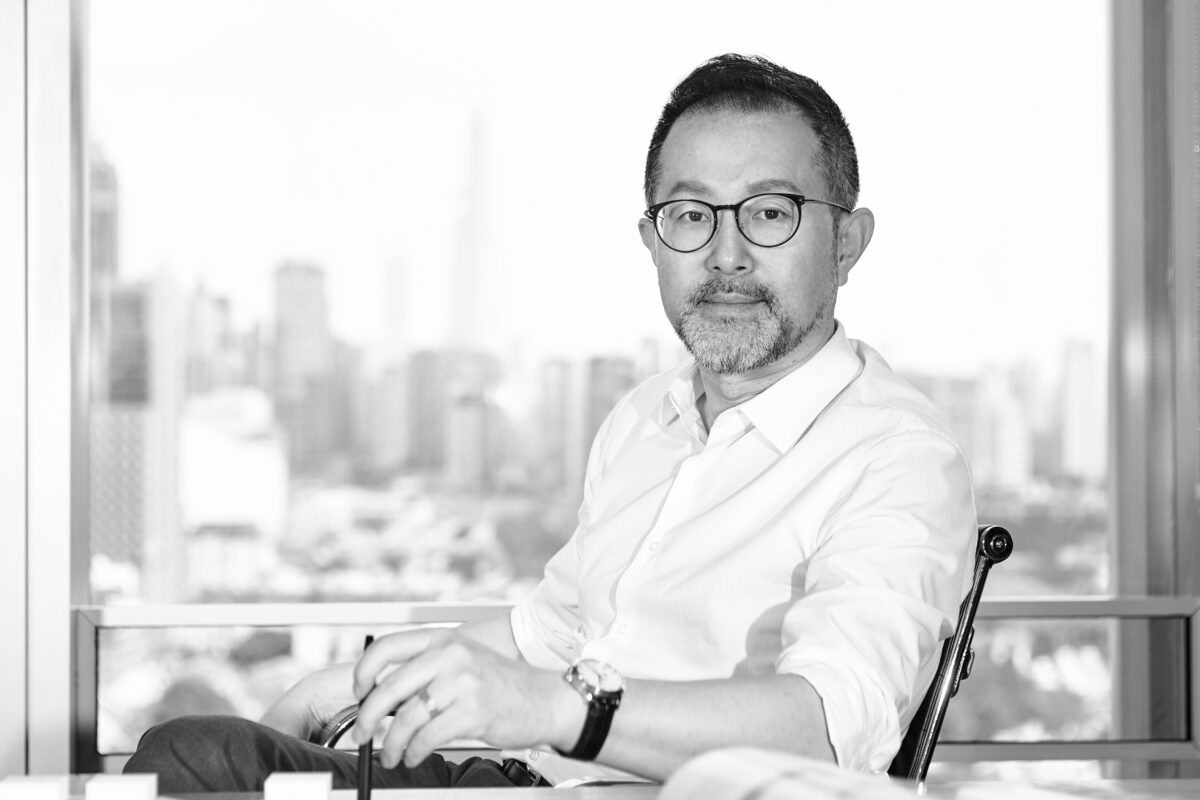
Qin Pang, Director of Benoy and Head of Benoy Shanghai, outlines his approach to urban regeneration, highlighting the importance of the infrastructure surrounding a site and drawing on many examples from Benoy’s existing work.
Return to Future ThinkingUrban regeneration with Qin Pang

Contact Qin Pang, Director, Head of Shanghai Studio
qin.pang@benoy.com
Analysis of the site
Urban regeneration can be hugely rewarding. The key to successful urban regeneration is adequate architectural research and analysis of the site or development, coupled with a sensitive understanding of what the site needs in relation to its surroundings. Throughout our research, we identify the pinch points of the development such as poor use of space, a disconnect between business needs and urban demands, or conflicts between historic and contemporary uses of the same building. We can then use architectural language to bridge the gap between ‘preservation and regeneration’ or ‘project and city’ to ensure that the design is not just an aesthetic expression, but a feasible and vibrant urban solution.
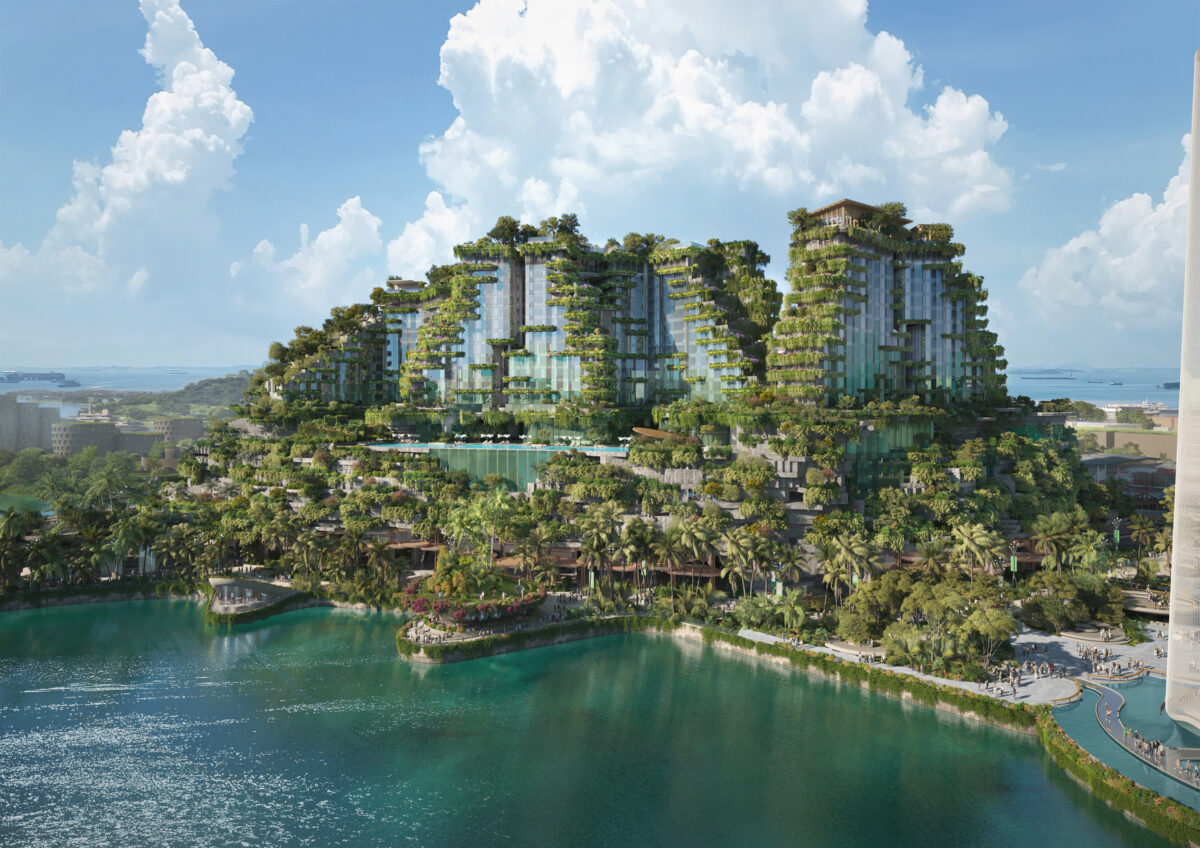
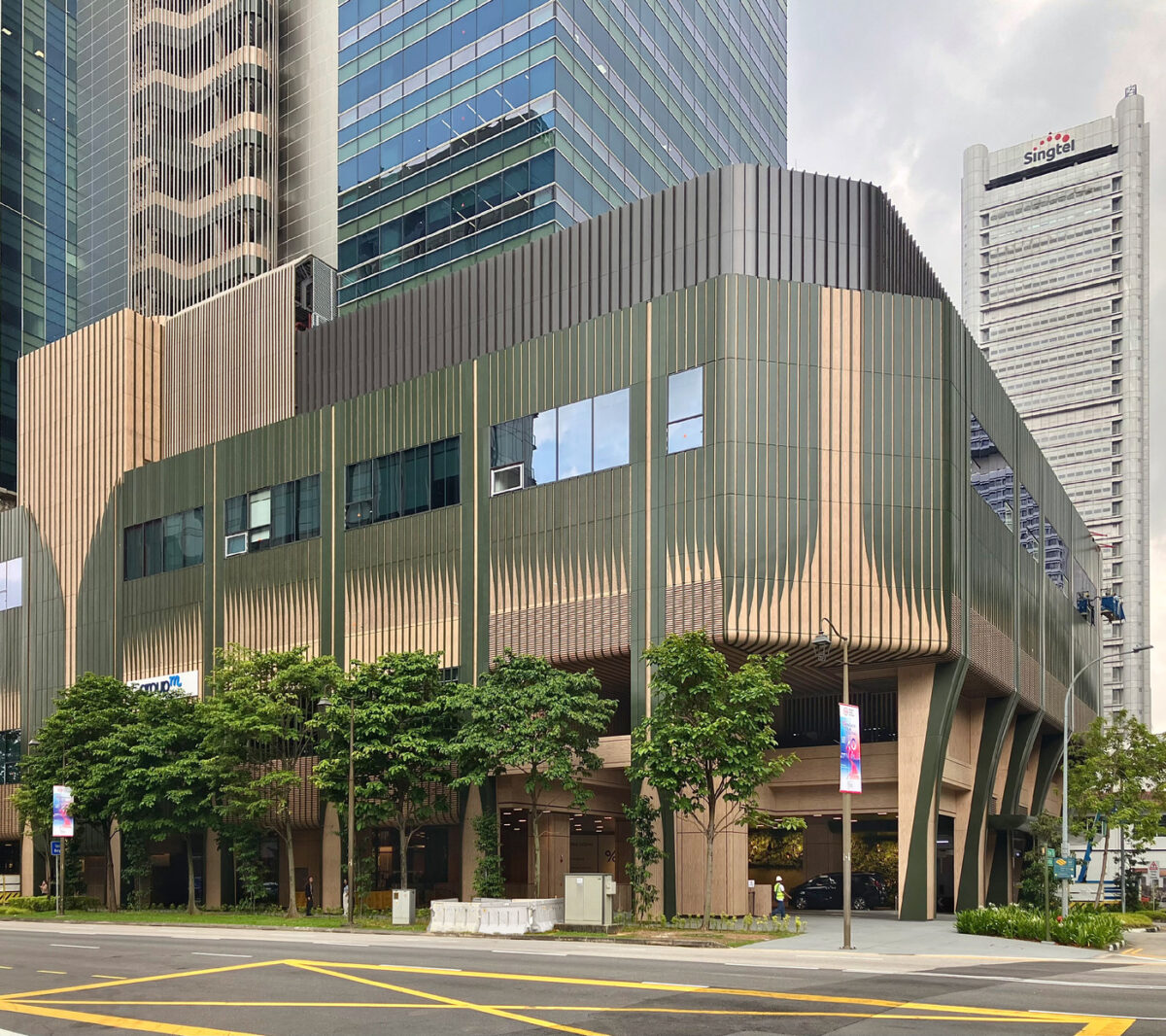
For example, when we were researching WEAVE, Resorts World Sentosa, in Singapore, we explored Singapore’s ‘island living’ culture and factored in the existing weak linkage with surrounding businesses such as Universal Studios Singapore and the Oceanarium, the poor connectivity, and distinct lack of restaurants suited to a tropical climate. The area was subsequently transformed into a 20,000 m² ‘town square’ with community spaces, retail and leisure all integrated.
Clarifying the scope
Of course, no one wants to identify key issues later on in a project, particularly where urban regeneration is concerned, meaning architectural judgment becomes critical when defining the boundaries of heritage preservation. Adjustments made later in the drawing and implementation phases will not only incur high costs and a longer cycle overall, but may also lead to a disconnect between the project, the urban requirements and the site characteristics.
Shibuya PARCO in Tokyo, designed by Nikken Sekki, is a good example of a time where we opted for a more holistic regeneration approach. Instead of solely renovating PARCO’s flagship department store, we also decided to launch a reconstruction of the commercial and cultural ecology, laying out a clear framework for the overall spatial transformation and business layout of the area. Adaptive reuse projects present opportunities to speak to the old and the new in a site, and to look holistically at the built environment surrounding it.
Taking regulatory frameworks into account
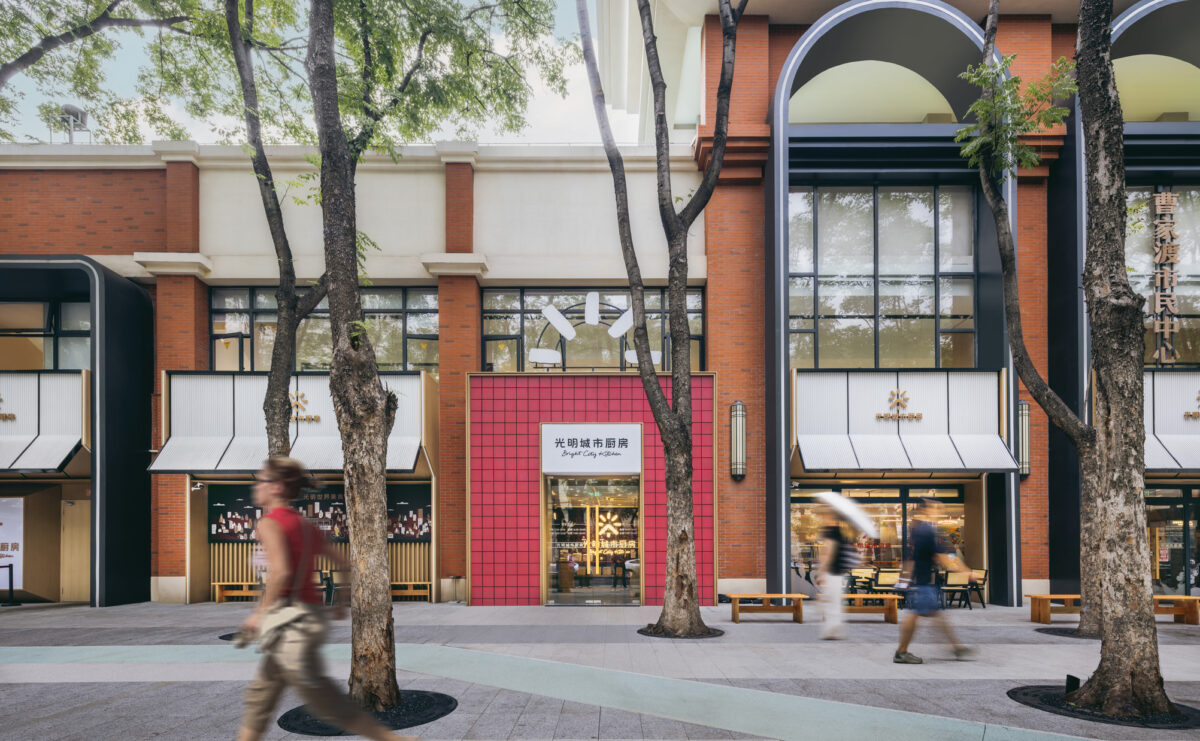
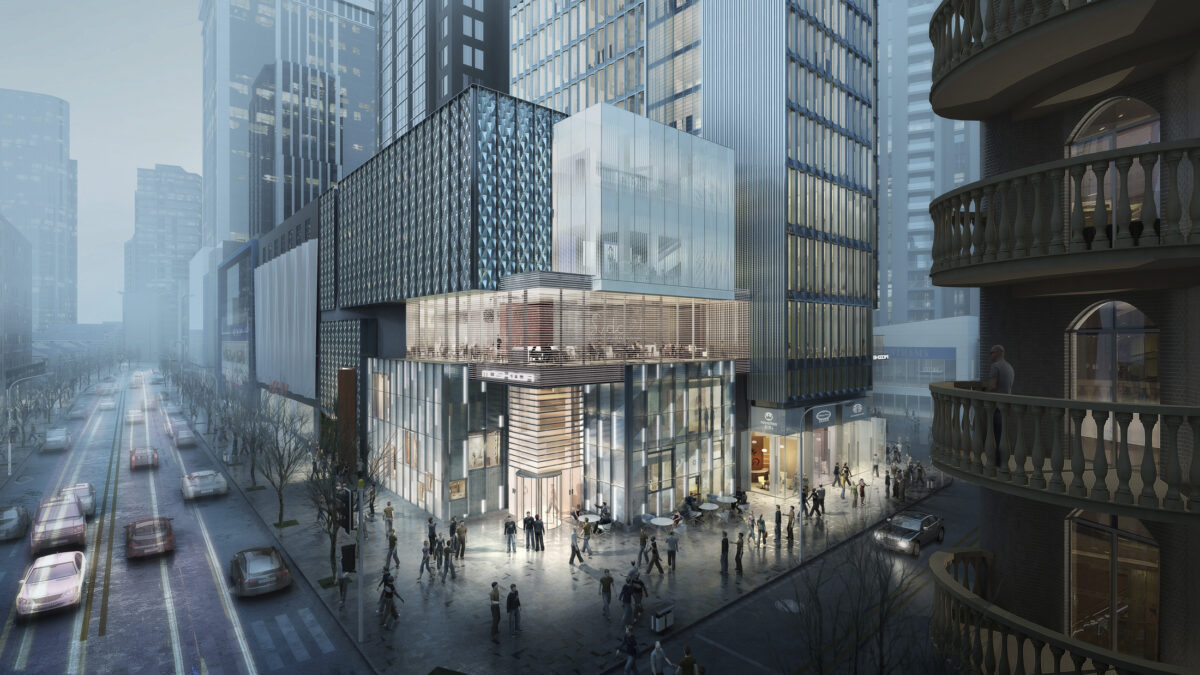
Architectural design regulations are inescapable design constraints. Our attitude towards constraints has never been to regard them as a hamper on design, but instead as a benchmark that forces us to be even more thorough, site-specific and regionally distinctive in our conception. Regulations set the bottom line for heritage preservation and the utilisation of existing buildings, preventing us from blindly pursuing formal innovation and instead urging us to delve into the uniqueness of the site, such as the fabric and structural characteristics of older buildings, the street scale and colour proportion of historical blocks and even the emotional resonance of a place. These are our most precious design materials. For example, with the MOSTA Plaza project we retained the façade elements of the old buildings and adapted the interior for contemporary commercial or office needs through modular design. This approach of ‘innovative preservation within boundaries’ ensures that the regenerated project retains historical significance while possessing contemporary energy, avoiding the homogenisation of urban regeneration and instead making the project a unique urban node.
Considering urban regeneration at scale
Taking this approach one step further we can extend it to urban systems and infrastructure. If you view architecture as the ‘organ’ of a city, then infrastructure and urban systems would be its ‘skeleton’, with urban regeneration part of the organic renewal of a city. The core principles of preservation and regeneration are the same for both: to retain essential characteristics and adapt to contemporary demands. For example, if you were to renovate an old transportation network some of the things to consider would be retaining the core characteristic of its street pattern, optimising the slow traffic system, and adding transportation hubs for improved traffic efficiency.
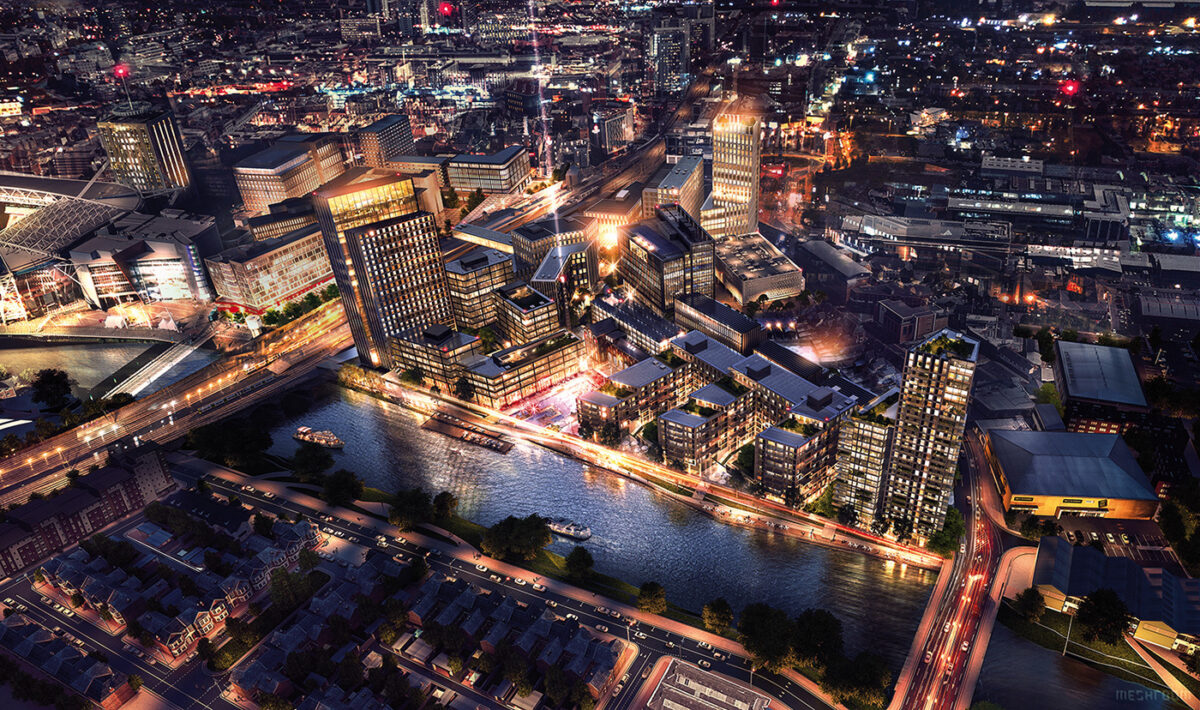
The renovation of an old river system is not simply widening or hardening (lining the banks with concrete to stop erosion) it, but retaining its original hydrological fabric, integrating ecological restoration and civic leisure functions, changing the river system from a mere municipal facility into an urban public space. Central Quay in Cardiff followed this logic with their regeneration of urban water systems and industrial heritage. The project retained the core fabric of the area and the iconic chimney from the 19th-century brewery along the River Taff and did not try to significantly transform the river’s municipal facilities. Instead, we built a waterfront square relying on the water system, integrating the original industrial infrastructure with new office, residential and commercial spaces, and transforming the river from a simple municipal water system into a core urban public space.
The vitality of a project ultimately depends on its integration into urban systems. The transportation network determines the accessibility of the site, while river systems and municipal supporting facilities determine its functional carrying capacity. Only when the new spatial layout connects and complements the existing infrastructure, and even activates its original vitality, can the project be truly integrated into the city.
Communicating the importance of ‘emotional value’ to clients
Beautiful forms are never at the heart of beloved places – places that are rooted in the people who move through them – instead, warmth, memories and a sense of belonging lie at the centre. Beloved places balance the practicality of daily functions while enabling people to form emotional connections to the place. For example, retaining the historical symbols of the site and creating public spaces adapted to citizens’ daily life; allowing people to work, relax and communicate here; and making the place a natural extension into their lives rather than a mere commercial or industrial hub. The key to conveying this value to clients is to transform ‘emotional value’ into feasible design strategies and long-term operational value using case studies to prove that a place with a sense of belonging can boost popularity, retain customers, and therefore bring more sustainable commercial benefits and social value. Practically speaking, we break down this value into specific design actions, such as retaining the symbols of old buildings and setting up open public terraces, allowing clients to clearly see how this value can be implemented and understand that ‘a liveable place is a place with long-term vitality’.
Welcoming a cross-disciplinary mindset
Interdisciplinary thinking is indispensable in urban regeneration. The complexity of urban regeneration determines that a single disciplinary perspective is inevitably limited: a purely architectural design perspective may easily ignore regulatory constraints and operational feasibility, reducing design to empty theorising; whereas a purely regulatory or infrastructure perspective may restrict design innovation and make the project lose vitality. A professional interdisciplinary team enables architects, planners, regulatory experts, operation consultants and municipal engineers to collaborate from the initial stage of the project, and jointly solve problems from their respective professional perspectives. For example, when the design team carries out the spatial layout, the operation team will simultaneously consider the implementation of businesses, regulatory experts will control heritage preservation and planning requirements, and municipal engineers will connect infrastructure supporting facilities. This multi-dimensional coordination ensures that the design not only meets aesthetic and functional needs but also adapts to the regulatory framework and is more sustainable for long-term operation.
Balancing historic design and contemporary innovation
The central principle of ‘harmony in difference’ is adaptation to local conditions. This makes historical fabric the root of design and so the intervention of contemporary design becomes a means of strengthening this, rather than a simple superposition of forms. In different cultural and urban contexts, our first step is always to deeply explore the local characteristics of the site.
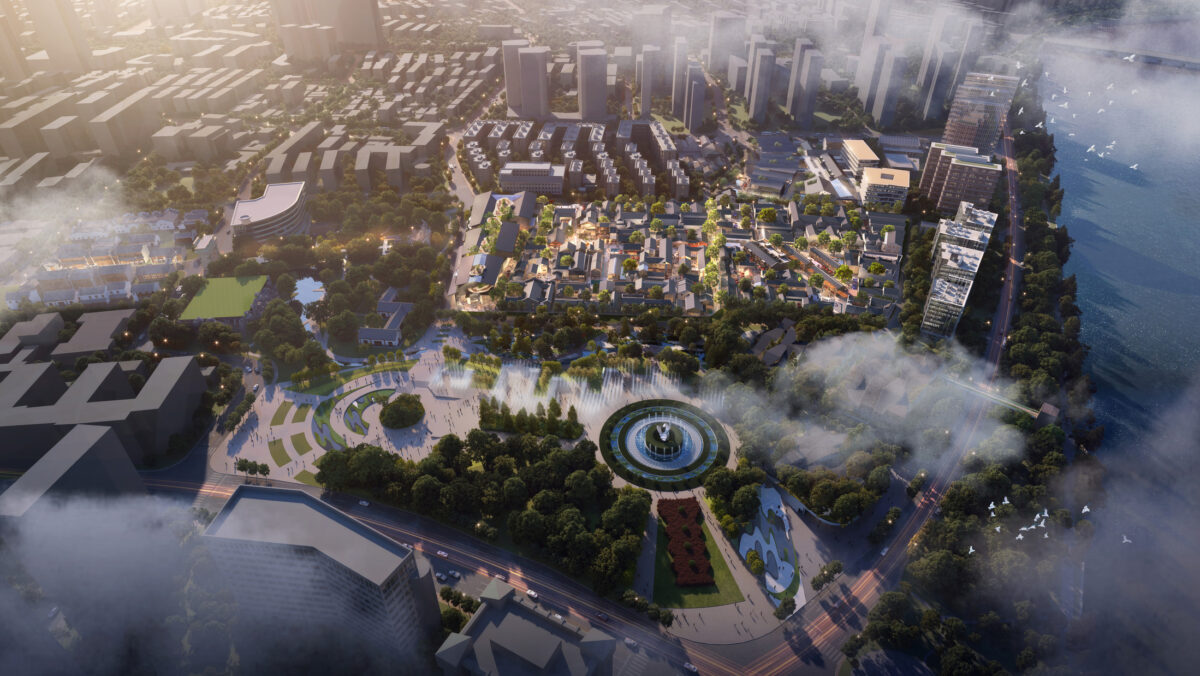
For example, in a Chinese historical block, we focus on respecting the core fabric such as street patterns and traditional construction techniques, whereas in a Western commercial block, we emphasise retaining its block scale and the proportional relationship of building façades. We adjust the degree of contemporary design intervention in different urban nodes, such as the core of the old city versus the edge of the new city. When it comes to the regeneration of the historic city centre, contemporary intervention is more restrained, focusing on ‘micro-renovation’, translating historical symbols with modern techniques, integrating contemporary functions into historical spaces and avoiding overshadowing the original features. For the urban regeneration on the edge of the new city, contemporary intervention can be more innovative, but it still needs to rely on the existing fabric of the site (such as industrial heritage and natural foundation), so that innovation has a solid basis.
In summation, we avoid copying fixed design models but make each regeneration project fit the local urban lifestyle, possessing both regional roots and contemporary functions and vitality.