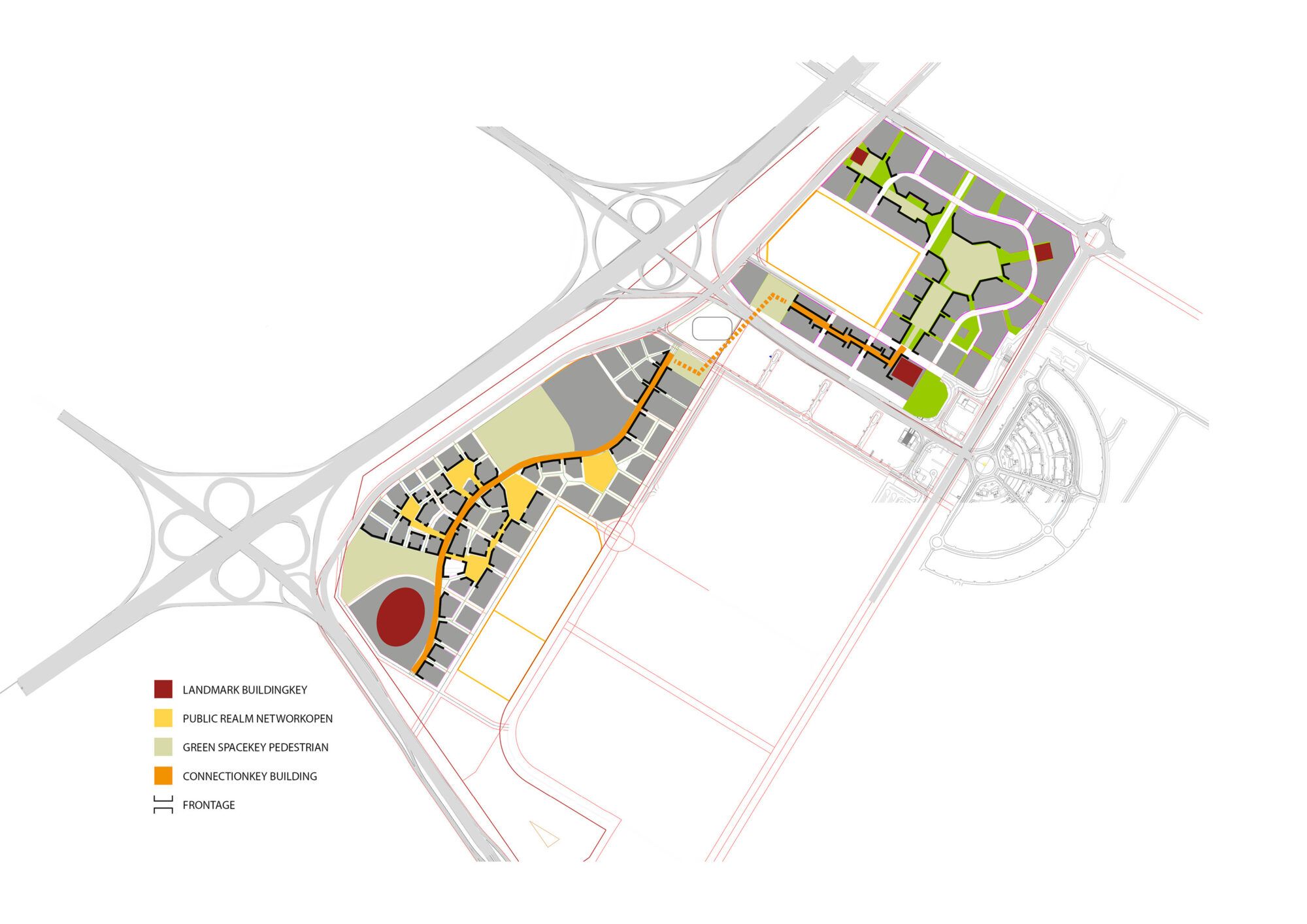
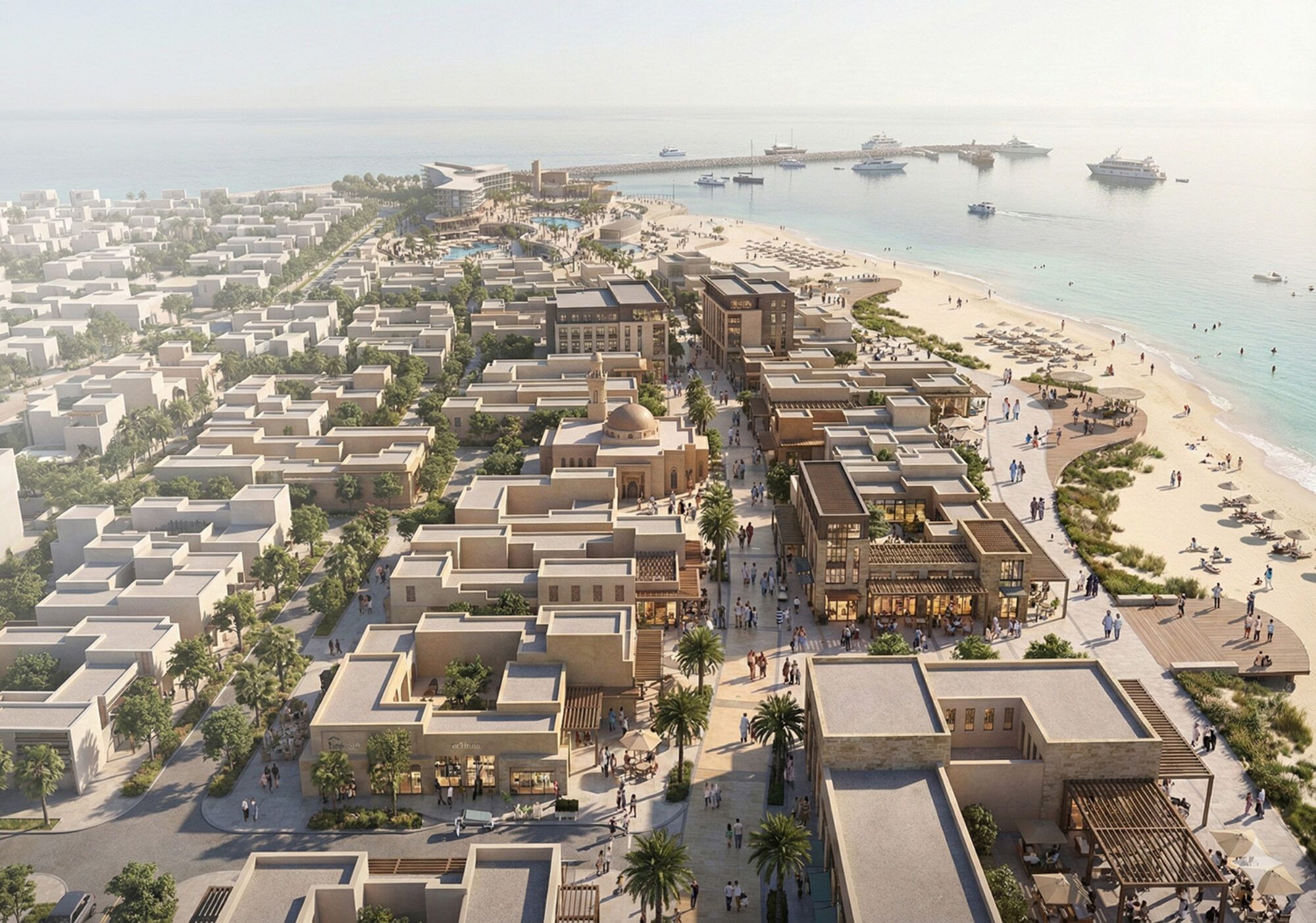
Beyond individual projects, one of the most important lessons emerging from contemporary urban design is the value of connectivity. Cities are not experienced as isolated developments or standalone public realm improvements, but as continuous journeys through space.
This places emphasis on how different parts of the city connect, rather than how they perform individually. Even well-designed interventions can lose impact if they are not supported by coherent links to surrounding streets, transport infrastructure and adjacent neighbourhoods.
In London, the Cycleway 3 route running from Westminster towards Blackfriars, for instance, demonstrates how dedicated infrastructure can significantly improve the quality of urban movement. Similarly, the South Bank has evolved into one of the city’s most successful continuous pedestrian corridors, integrating cultural, commercial and recreational uses along the river.
However, these areas can also feel disconnected from one another, with changes in quality and experience often occurring abruptly at borough boundaries or along less coordinated routes. This inconsistency highlights the importance of thinking in terms of networks rather than isolated projects.
From a broader perspective, the challenge for many global cities is not necessarily the absence of investment, but the integration of that investment into a coherent urban experience. As cities expand and intensify, the ability to connect new districts with existing areas becomes increasingly important in shaping long-term performance.
The challenge for many global cities is not necessarily the absence of investment, but the integration of that investment into a coherent urban experience. As cities expand and intensify, the ability to connect new districts with existing areas becomes increasingly important in shaping long-term performance.
Streets as adaptable infrastructure
A further insight emerging from cities such as Paris and London is the growing recognition of streets as flexible and multifunctional civic infrastructure. Rather than serving a single purpose, streets are increasingly being understood as spaces that can support a range of different uses over time.
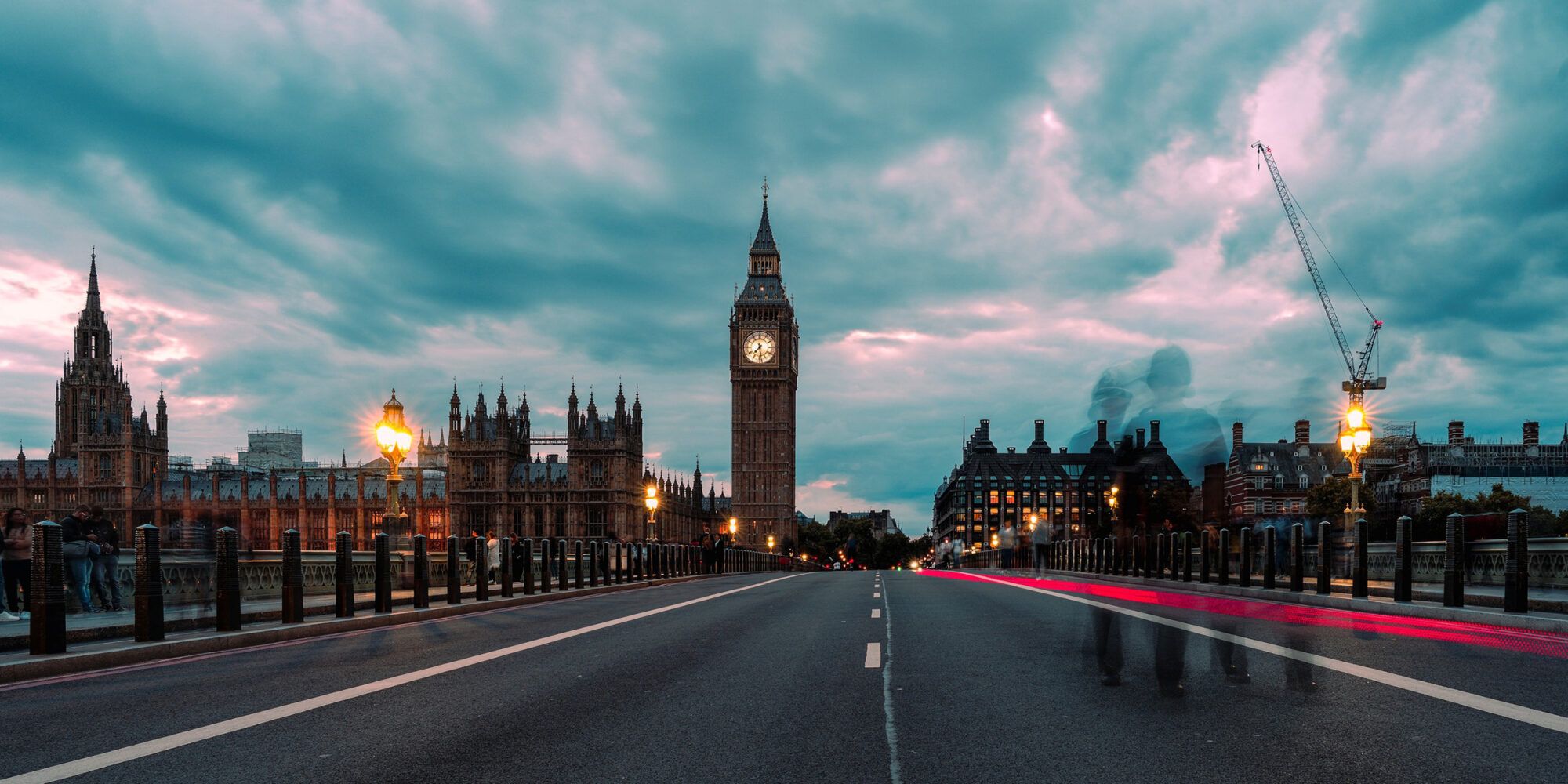
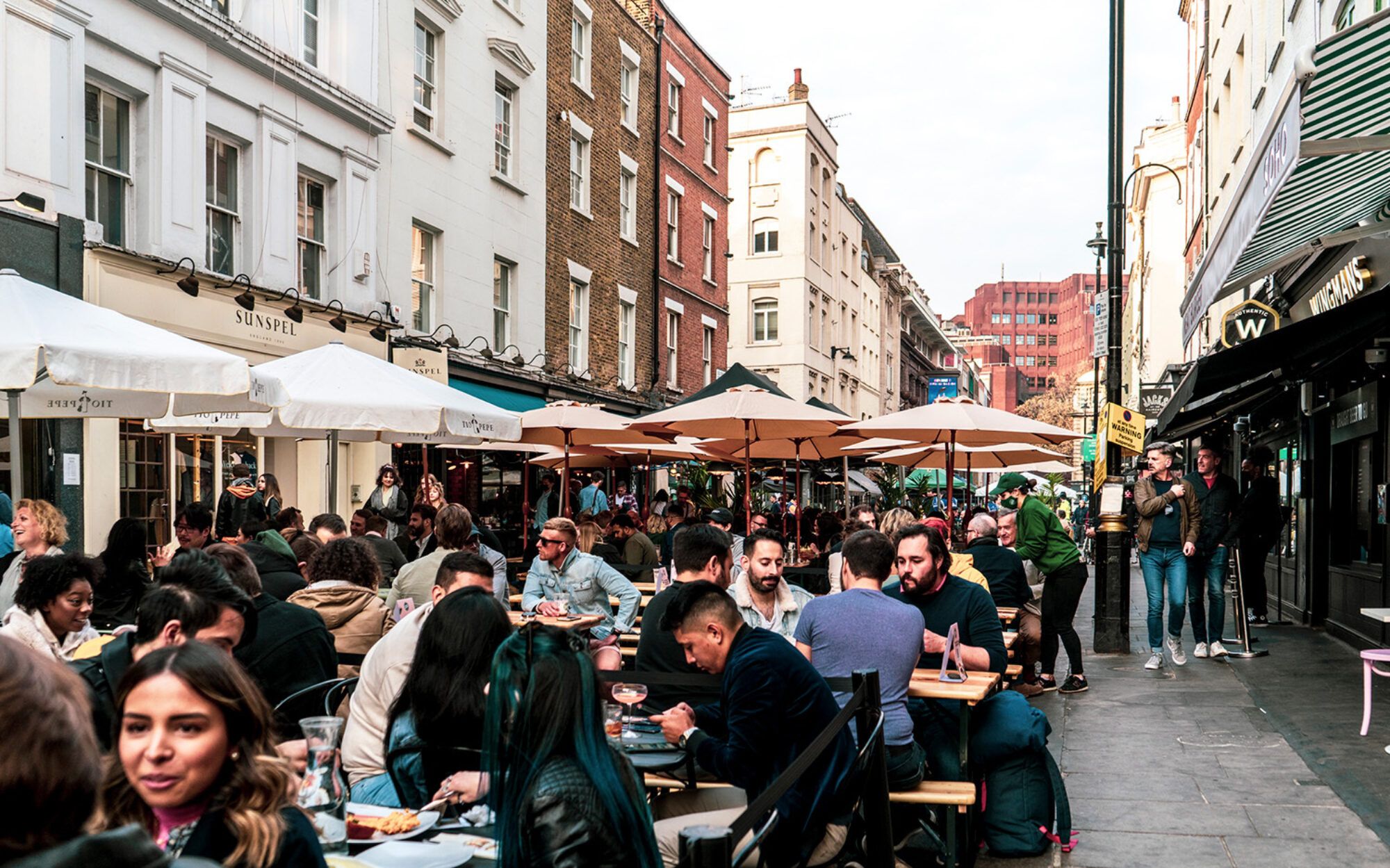
Temporary interventions have played an important role in revealing this potential. During periods of Covid-related restrictions, for example, parts of Soho in London were fully pedestrianised in the evenings, creating a more dynamic relationship between commercial and public space. Similarly, the temporary closure of Westminster Bridge during a state funeral demonstrated how significantly the character of a space can change when reallocated away from vehicular traffic.
These examples highlight the potential for streets to operate differently at different times of day, supporting movement, commerce and public life in more adaptive ways. This approach does not necessarily require the removal of vehicles entirely, but rather a more nuanced understanding of how urban space can be shared and programmed.
Oxford Street as a case study
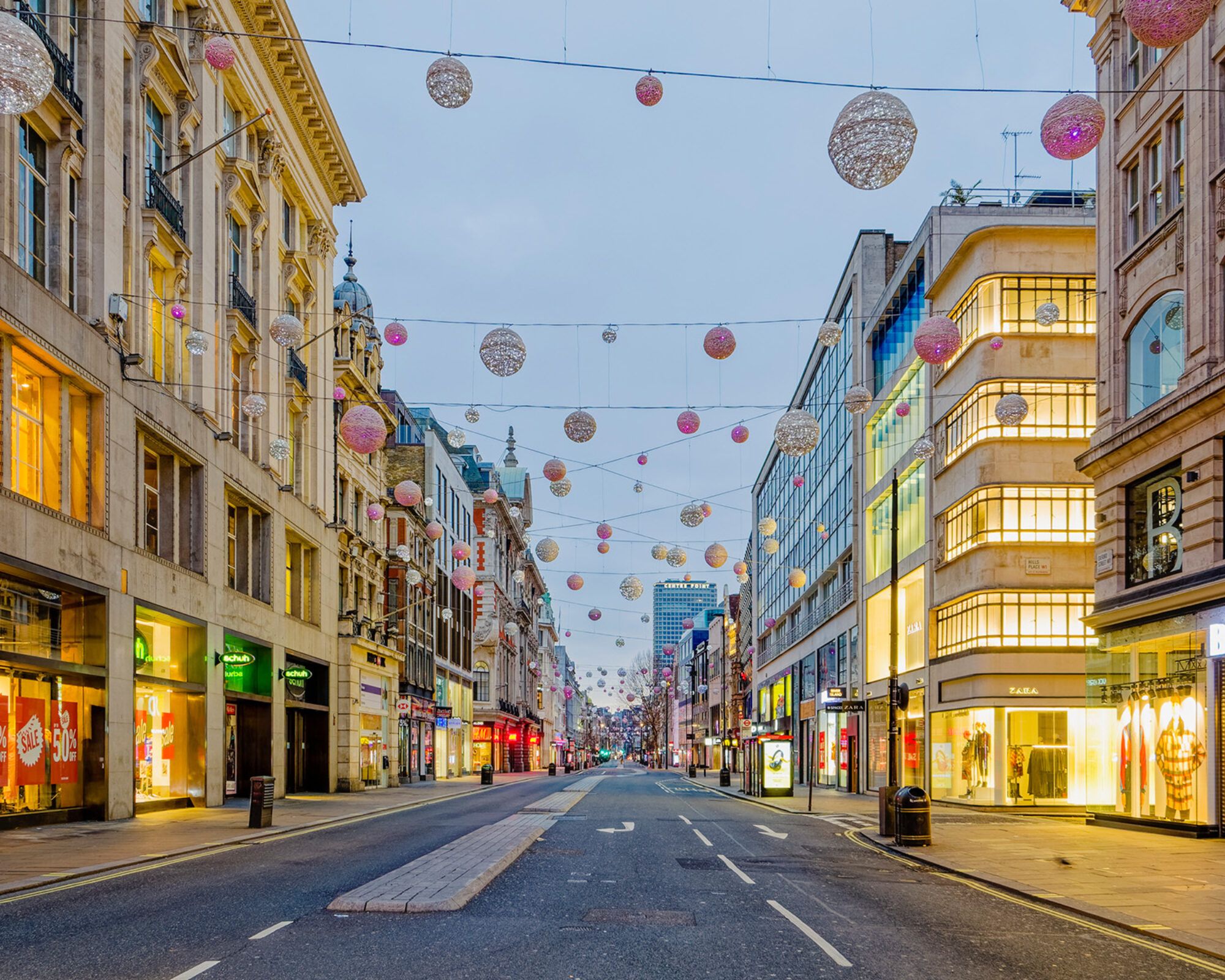
Oxford Street is a key test case for how London reimagines its most important retail corridor in response to shifting expectations of the city centre. Once defined by intense vehicle movement and a highly transactional retail environment, the street is now being reconsidered as a predominantly pedestrian-focused destination, with proposals to significantly reduce or remove general traffic in favour of a more continuous public realm. Rather than a purely transport-led intervention, this represents a broader repositioning of Oxford Street as a place for dwell time, cultural activity and a more diverse mix of urban experience. As with comparable transformations in other global cities, the success of this change will depend on how effectively it is integrated into the surrounding street network, particularly in relation to servicing, accessibility and the redistribution of movement onto adjacent routes.
Urban quality as a driver of long-term value
The discussion around public realm and the shape of a city is closely linked to questions of long-term economic value. Cities today operate in a highly competitive global environment, where talent, investment and tourism are increasingly mobile.
In this context, the quality of the urban environment plays a significant role in shaping perception and performance. Many of the masterplans we are currently working on will be delivered over the next decade. Our strategic thinking is always centred on how these places will evolve over time and how networks of public spaces will develop and adapt as they mature. Well-designed public realm, accessible green space and cohesive pedestrian networks contribute not only to quality of life, but also to the attractiveness and resilience of urban districts.
In many cases, we work with existing infrastructure, which often forms the heart and soul of a project. Rather than starting from scratch, we see great value in building upon these inherited assets and allowing them to shape the future character of a place.
As masterplanners, our role is to establish the urban structure and strategic framework. While the full realisation of these visions may take many years, we hope to see the fruits of this work emerge over time as these places grow and evolve.
In an increasingly competitive global landscape, cities that prioritise long-term urban experience are likely to be best positioned to attract and retain the people, businesses and investment that shape their future.
In many cases, we work with existing infrastructure, which often forms the heart and soul of a project. Rather than starting from scratch, we see great value in building upon these inherited assets and allowing them to shape the future character of a place.