
- Date
- 23 October 2026
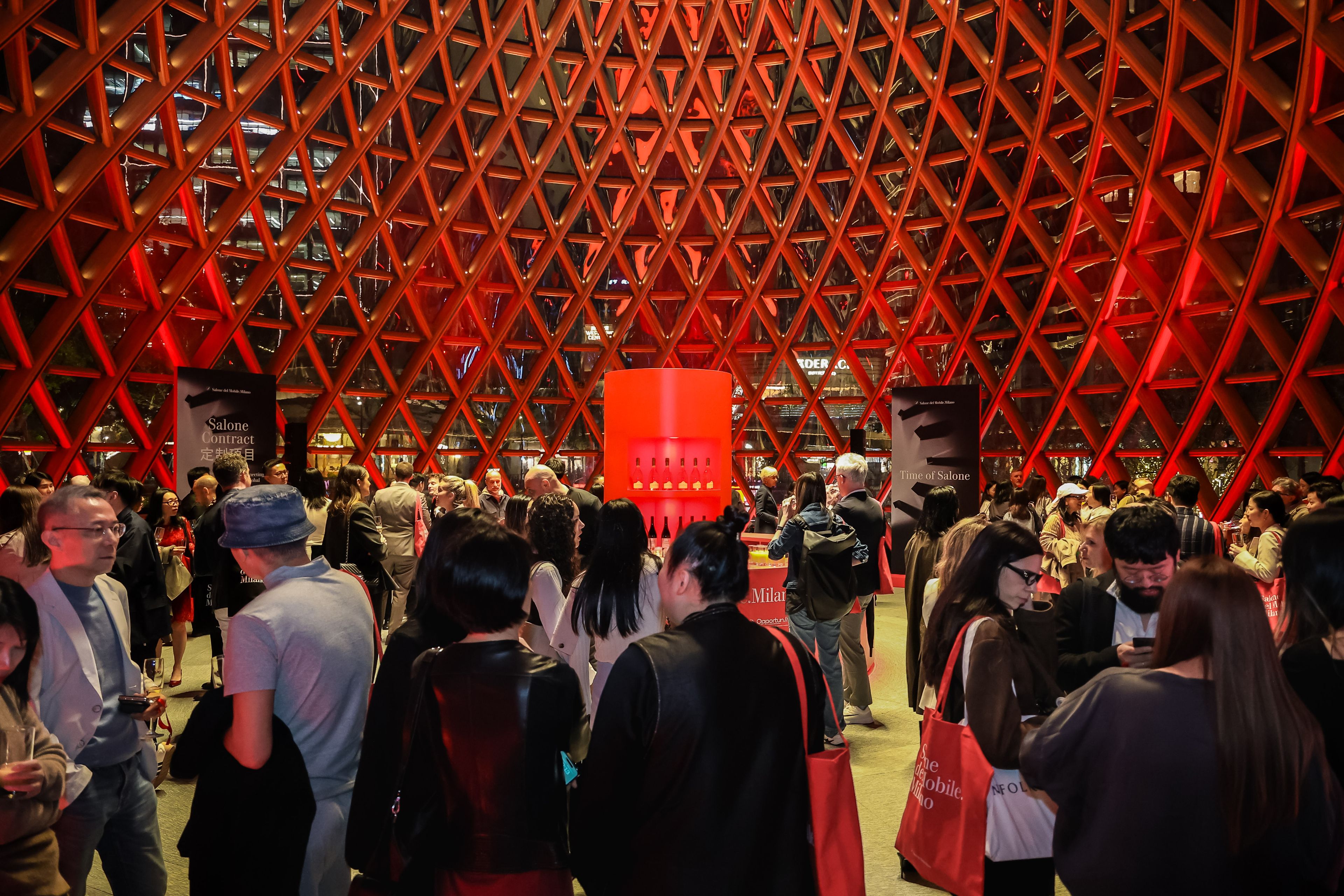
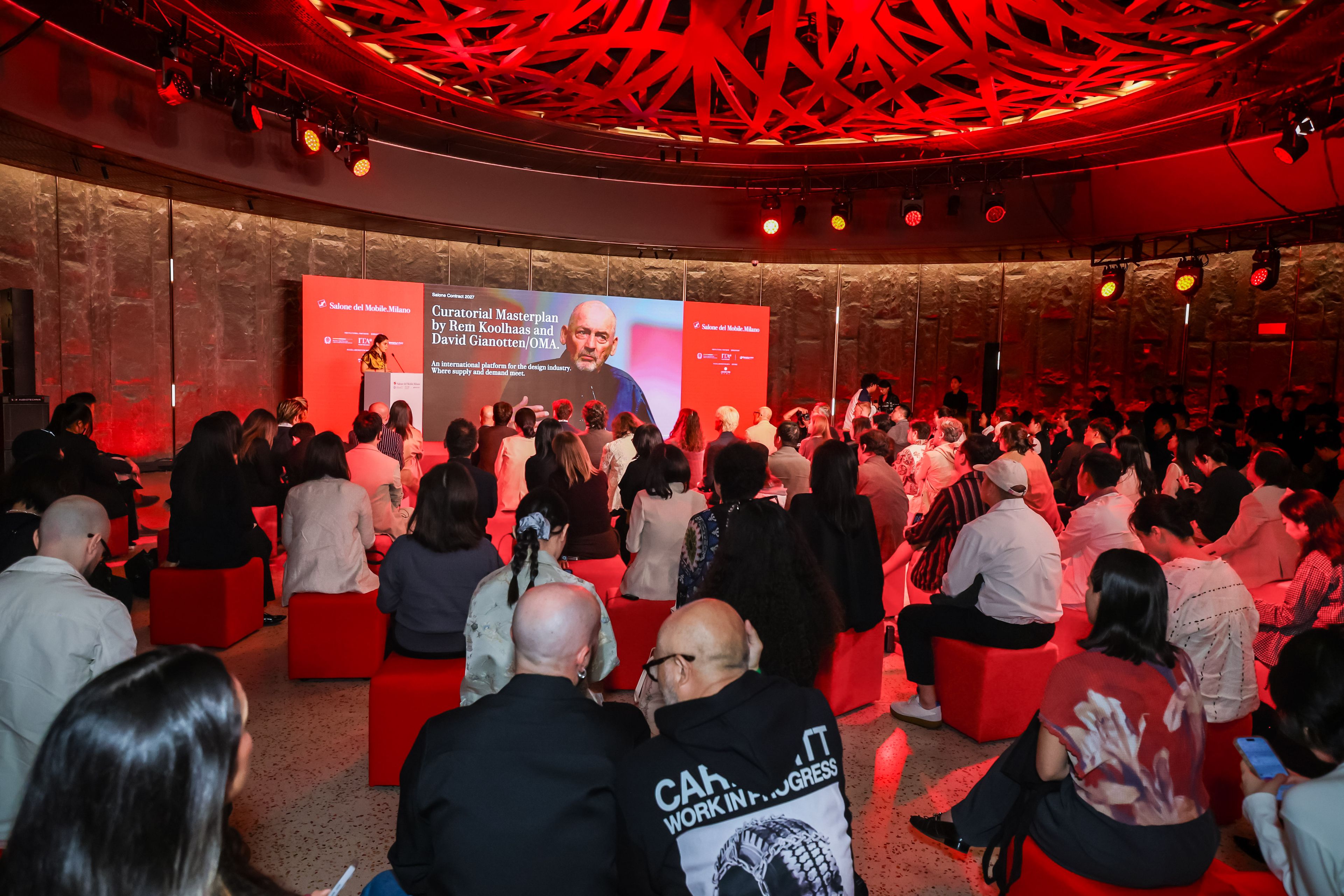
The inaugural Salone del Mobile.Milano ‘Salone Contract Tour’ began at The Seed, Westbund Central in Shanghai on 21 October. Qin Pang, Director and Head of the Benoy Shanghai studio, joined industry leaders from Hongkong Land, CCD and MDO on a panel, sharing insights on the design philosophy of urban commercial spaces.


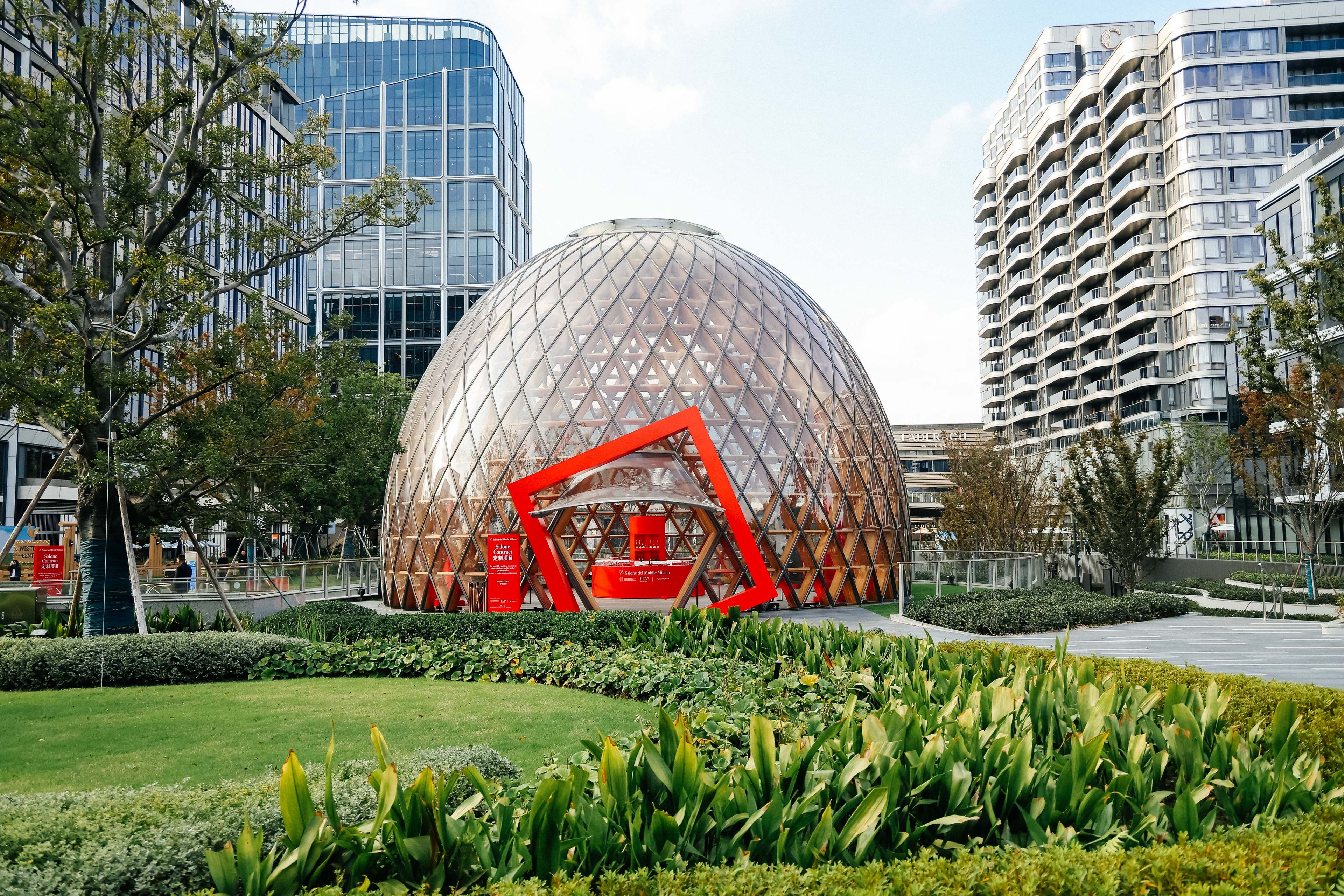
The tour is centred on the theme ‘The Integrated Destination: Designing across Asset Classes’ and accompanies the debut of Salone Contract 2027, a new initiative and exhibition space debuting at the 65th edition of Salone del Mobile.Milano in 2027, featuring a masterplan designed by OMA. The first stop of the tour is hosted at Westbund Central on Shanghai’s Xuhui waterfront. The 1.1 million-square-metre mixed-use development will deliver Grade-A offices, retail, residences, hotels, and cultural venues, with Benoy delivering full architectural design services for the project’s core commercial components, Westbund Central Mall and Central Landmark Plaza. The architectural approach for Westbund Central embodies destination design philosophy through a fully integrated design approach.
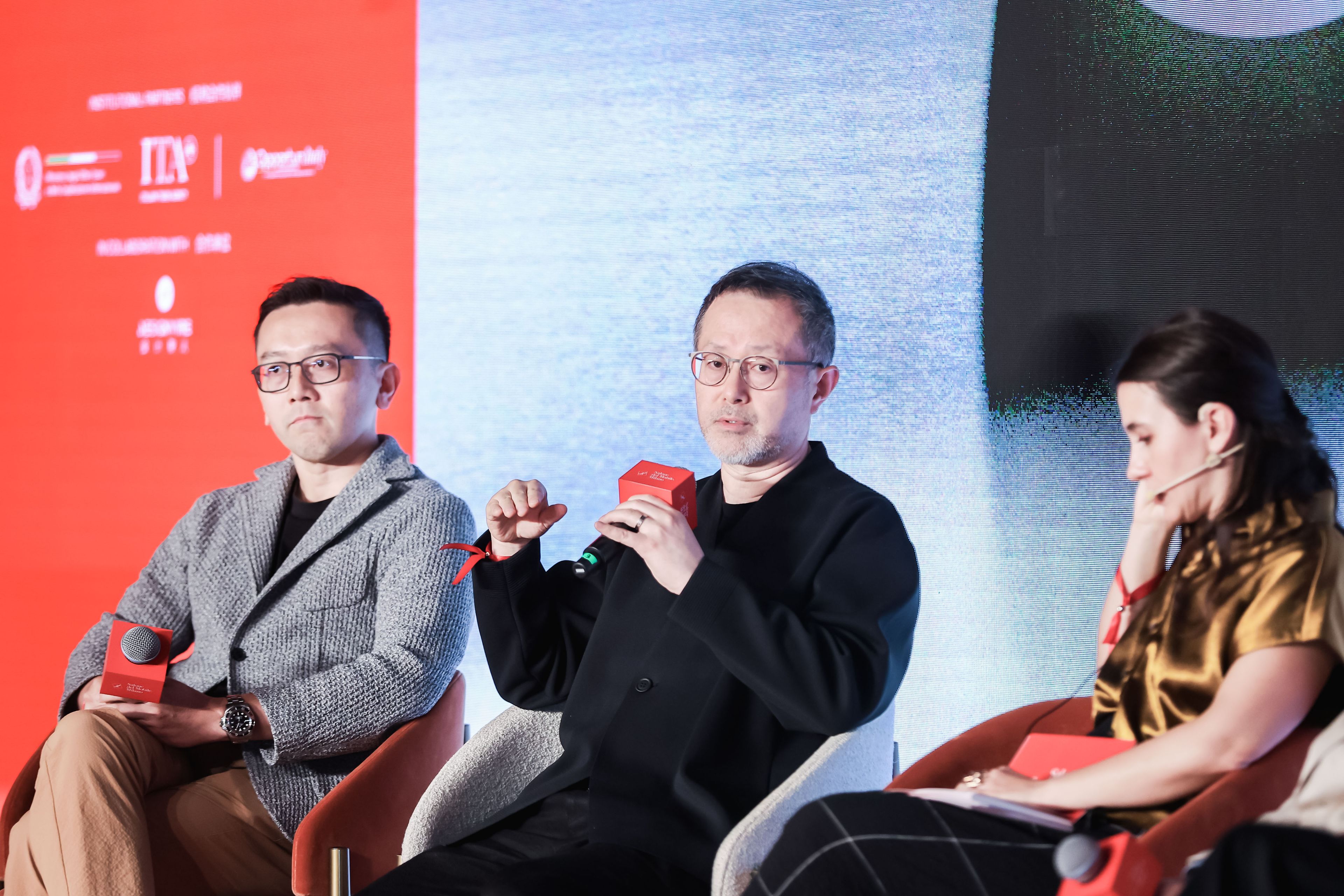
During the panel discussion, Qin Pang said: ‘Modern mixed-use developments are no longer standalone commercial containers, but organic components deeply embedded in the urban fabric, public interfaces and citizens’ daily lives. We structurally integrate public realm, resort-style experiences and hospitality-led service systems into retail spaces. This logic frees commercial destinations from the constraints of cyclical consumption fluctuations, creating mixed-use urban nodes rooted in the urban fabric with long-term spatial resilience and sustained public vitality.’
Qin also noted that contemporary commercial spaces are undergoing a systematic iteration of their underlying logic. Traditional retail is centred on brand display, merchandise presentation and commercial returns, with relatively enclosed, single-function spaces. Today, the fundamental shift in urban consumption and retail formats is that spatial value has, to a certain extent, taken precedence over merchandise value.
