- Date
- 26th November 2026
- Author
- Sara Botey Garcia, Design Director
Sara Botey Garcia, Design Director, reflects on her career to date, explaining how to design for different cultures in the most impactful way. Her 20 years of experience span hospitality, retail, mixed-use, masterplanning, residential, and commercial workplace projects in Europe, China, the Middle East, Africa, India and Mexico.
Starting out
Everything began at a young age with a high school architectural project. I took the project very seriously, throwing myself into it, and enjoyed it immensely. So began my introduction to architecture, and from that initial design I decided I wanted to become an architect.
I studied architecture at Universitat Politècnica de Barcelona and went on to do my master’s at the Politecnico di Milano. As soon as I graduated, I moved to London to work at Design International, where my journey designing shopping malls started. This was a foundation for me to build on: my first project was the IKEA Rio Shopping Mall in Valladolid, Spain, where I learned the intricacies of shopfront design guidelines and interior design. My time with IKEA was formative training, and from there I moved to work on the retail planning, interior design and shopfront guidelines for the IKEA Tiare Shopping Mall in Villesse, Italy, where I started to understand the importance of retail planning in response to the culture it serves.
Global experience
I continued to work on projects in Europe and then branched out to work on more retail projects in Africa, the Middle East, India and China. I credit my ability to actively engage with the vision and aspirations of a client to the breadth of global projects I’ve been involved with over the past twenty years, all from my London base. No retail solution is the same, and I understand this perhaps better than most thanks to the range of clients I’ve worked with, projects I’ve drawn and buildings I’ve seen come to life across the world.
Understanding retail in the Middle East
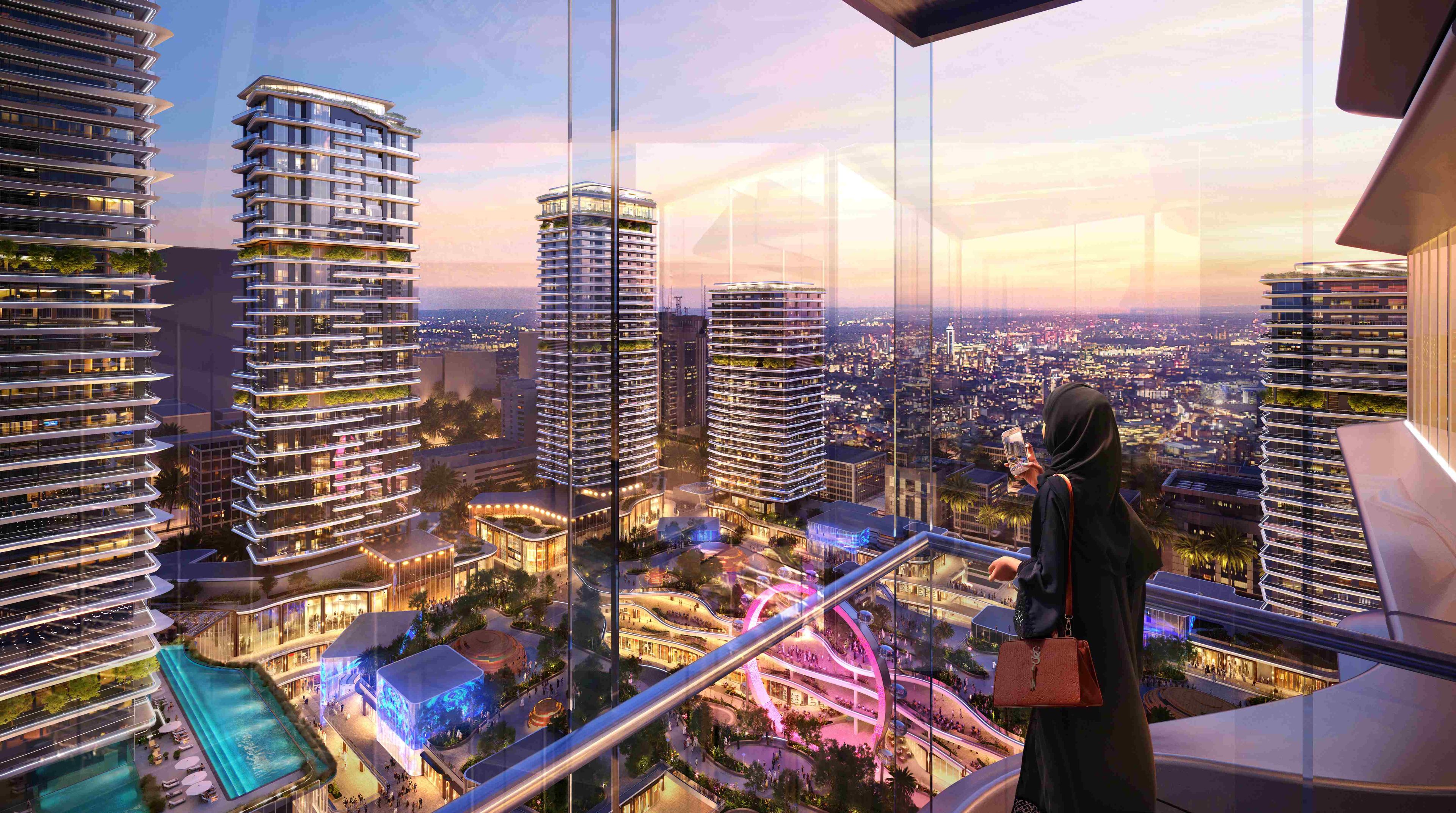
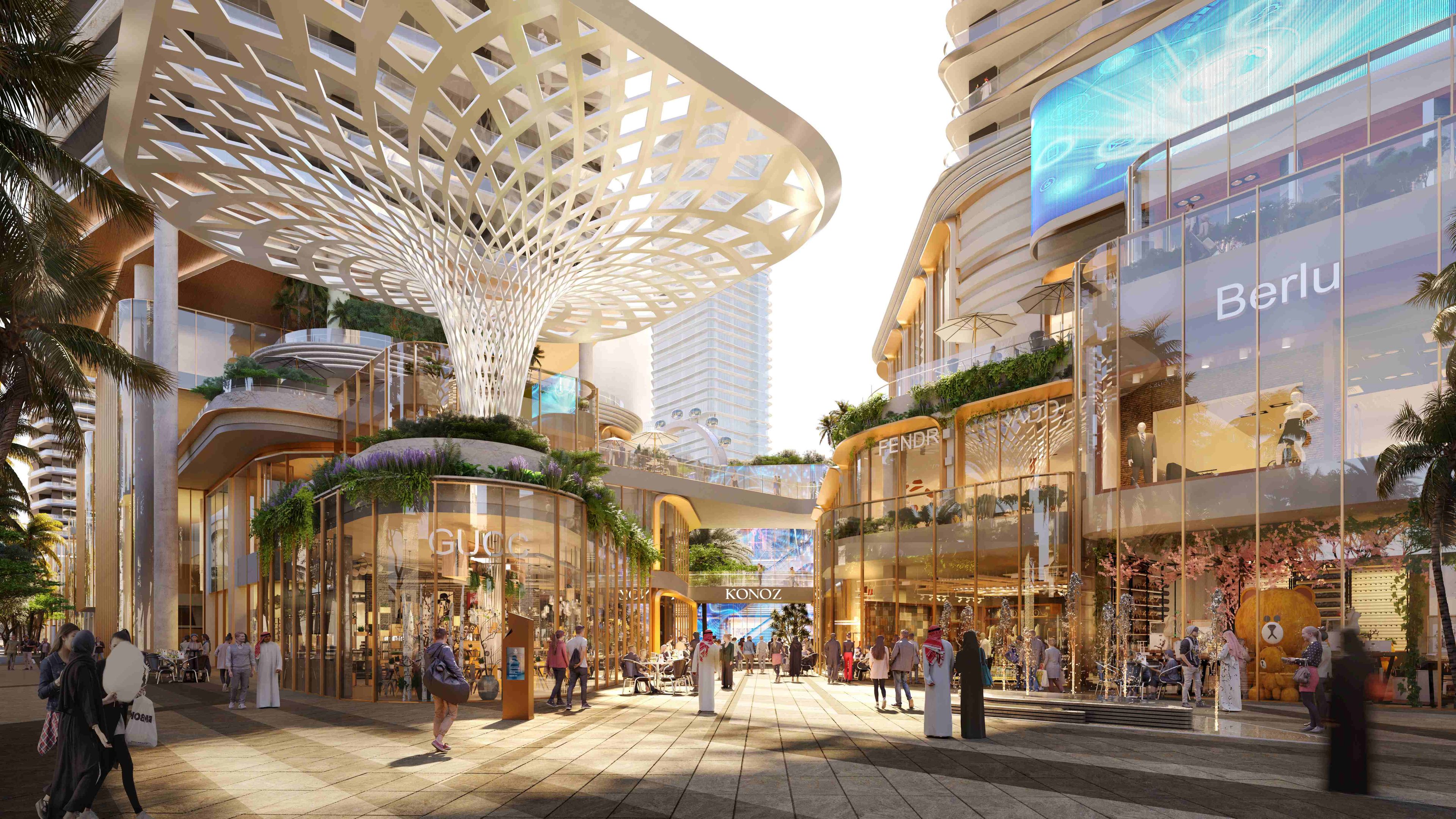
I joined Benoy as a Senior Architect in March 2016 and after six months I started on the Dubai Creek Harbour giga-project, which is set to be the biggest shopping mall in the world at 2.6M m² with a myriad of other uses and excellent transport connections. I quickly rose to Senior Associate Architect, starting off leading the luxury retail district and then taking charge of the overall retail. Spending two months in Dubai working directly with Mr. Alabbar, Chairman of EMAAR, was a memorable experience: I came to understand the region and the retail in the space much more intimately, discovering how people spent their entire day in shopping malls, meeting people, working, seeing how people used their cars and the spaces around them. This taught me how to design a project that suits the culture, and this knowledge, I believe, is best obtained through an immersive engagement with the culture you’re designing for. The project stopped at the Concept Design stage; however, it was one of the most instructive projects I’ve worked on to date. I also gained a greater appreciation for the slower pace of planning in the UK compared with the Middle East.

Interior design and hotels
Though my training is in retail design, I’ve always had a great interest in interior design, and I worked on the two together in the past. I find it impossible to design exteriors without considering the interior. The two work hand in hand for me; I’m always blending them together and seeing things from both perspectives.
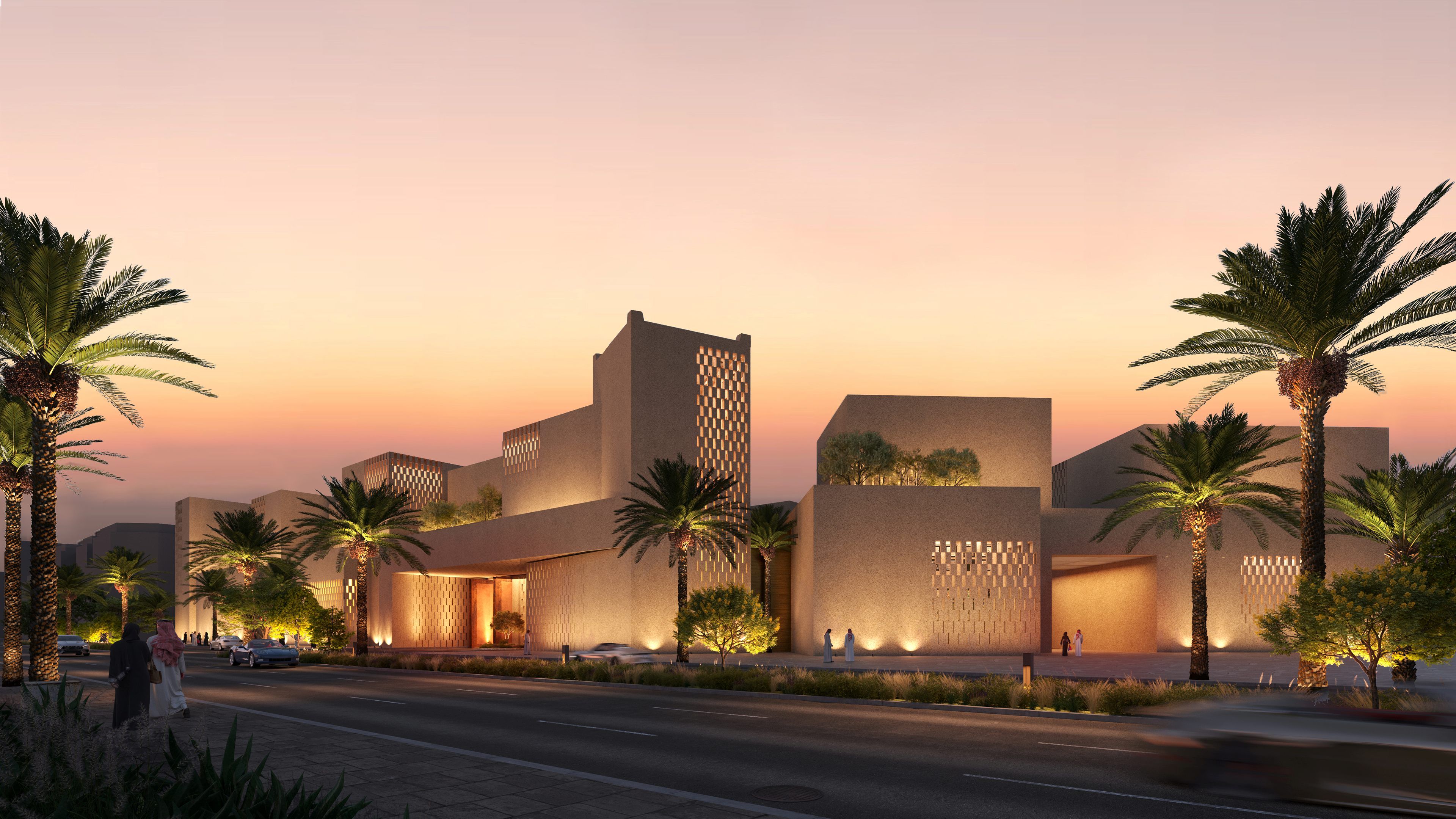
This led me to hotel design, something I had begun to work on at my previous practice. I’ve worked on hotels for Marriott, IHG, Accor, Hilton and Kerzner International (SIRO Olaya), as well as several hotels in West Africa for a private developer creating their own brand (Yaas Hotel in Dakar and Seen Hotel in Abidjan, Ivory Coast).
Navigating multiple uses
Green Tower in Riyadh, Saudi Arabia, was an exciting and challenging project to work on, particularly the architectural conception of how the tower rotates and accommodates a green spine. It challenged us to come up with a sustainable solution. We were working with a very small plot of land, and we had to design the arrival experience right underneath the tower because we couldn’t put any of the arrivals to the left, right or centre of it given how the retail was facing the main highway. But Green Tower is not just retail; it also has office space, so we needed to clearly separate the uses. We designed a different drop-off with the core to the south to limit both the views and block heat gains to the main office space. It’s currently under construction and I can’t wait to see it occupied and used.

Design needs to echo the habits of those using it
A mixed-use project can show its local influence through building forms, materiality, public spaces and placemaking. Throughout my career, I have worked on projects where clients have wanted their project to be designed through the influence of the local culture but as a modern interpretation.

Retail has changed over the past few years as society has evolved. My team and I are continuously learning from successful projects, historic city centres across the world that are reimagining themselves and evolving for people to continue visiting and spending time there. That is the success we want to mimic in every single project we are involved in.
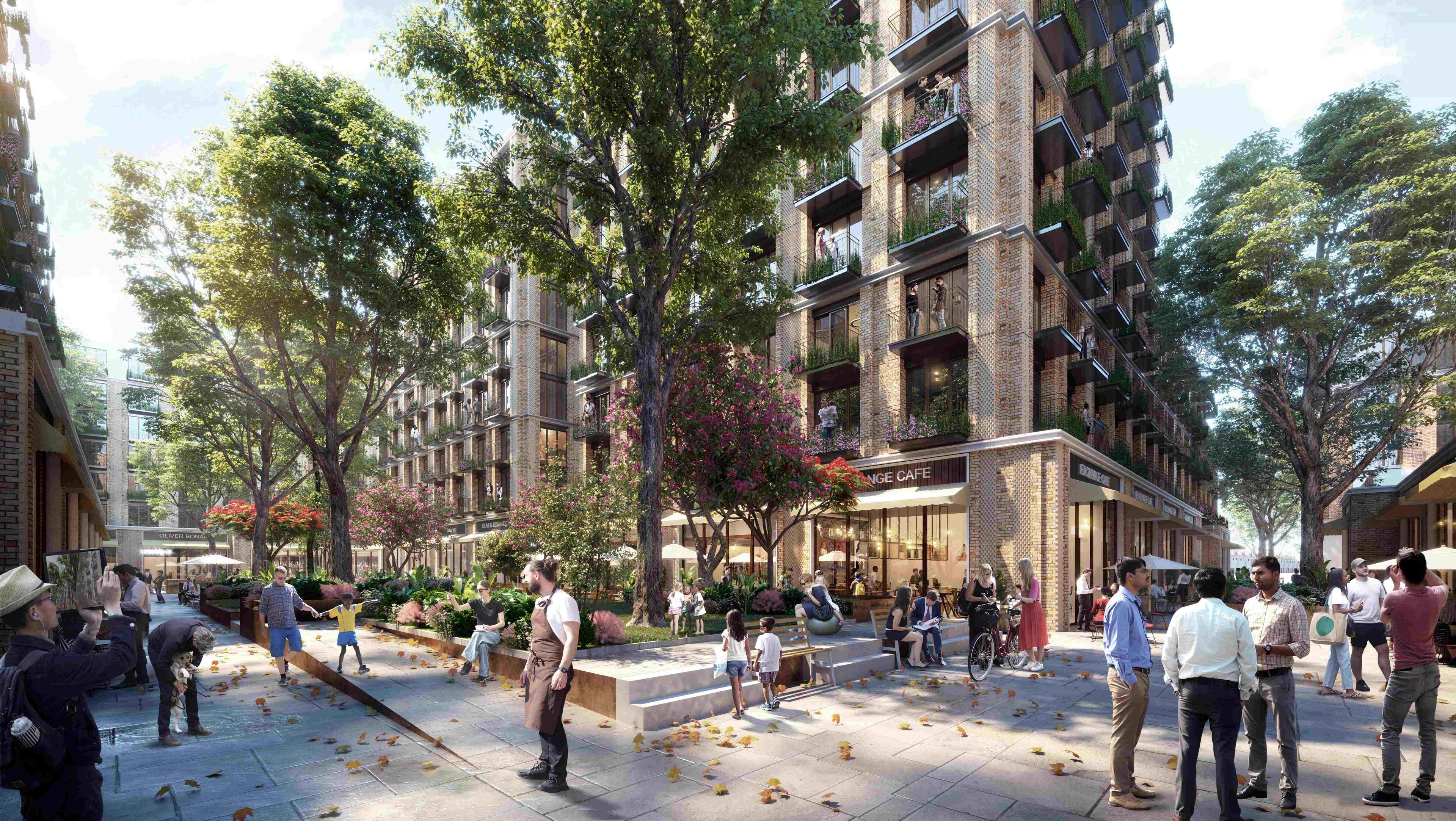
I’m currently working on two mixed-use projects: one in the ZUL District in San Pedro Garza García, Monterrey, Mexico, and the other in the PIK 2 District in Indonesia. In both projects we are clear on the client vision, but as well as understanding the local culture, observing how locals use the site and its surroundings has helped us a lot. For example, earlier this year on a trip to Mexico City with the client, we visited a historic area with lots of small shops and restaurants with outdoor seating. The vibrancy of the place was unique; it developed over time, and you could see how it is rooted among locals. Experiences like this teach you a lot about how to design in the area, and we’ve tried to mimic some of the culture in the ZUL project.